Why Recovery Might Be the Missing Piece of Your Fitness Puzzle
You are in the gym, you hit your run, you crush your HIIT training, only to experience the slow, often painful inflammation that keeps you sore, stiff, and achy far longer than you would like. This is the reality for many Body Lab Studio clients in Myrtle Beach, from professional athletes to wellness-minded adults who struggle to perform at their best consistently, no matter how smart they are about stretching and nutrition.
What if you could change that? What if recovery itself could be improved, not merely endured? Recovery does not have to be something you simply push through. With the right support, it may be possible to feel more comfortable between workouts and return to training with less lingering stiffness.
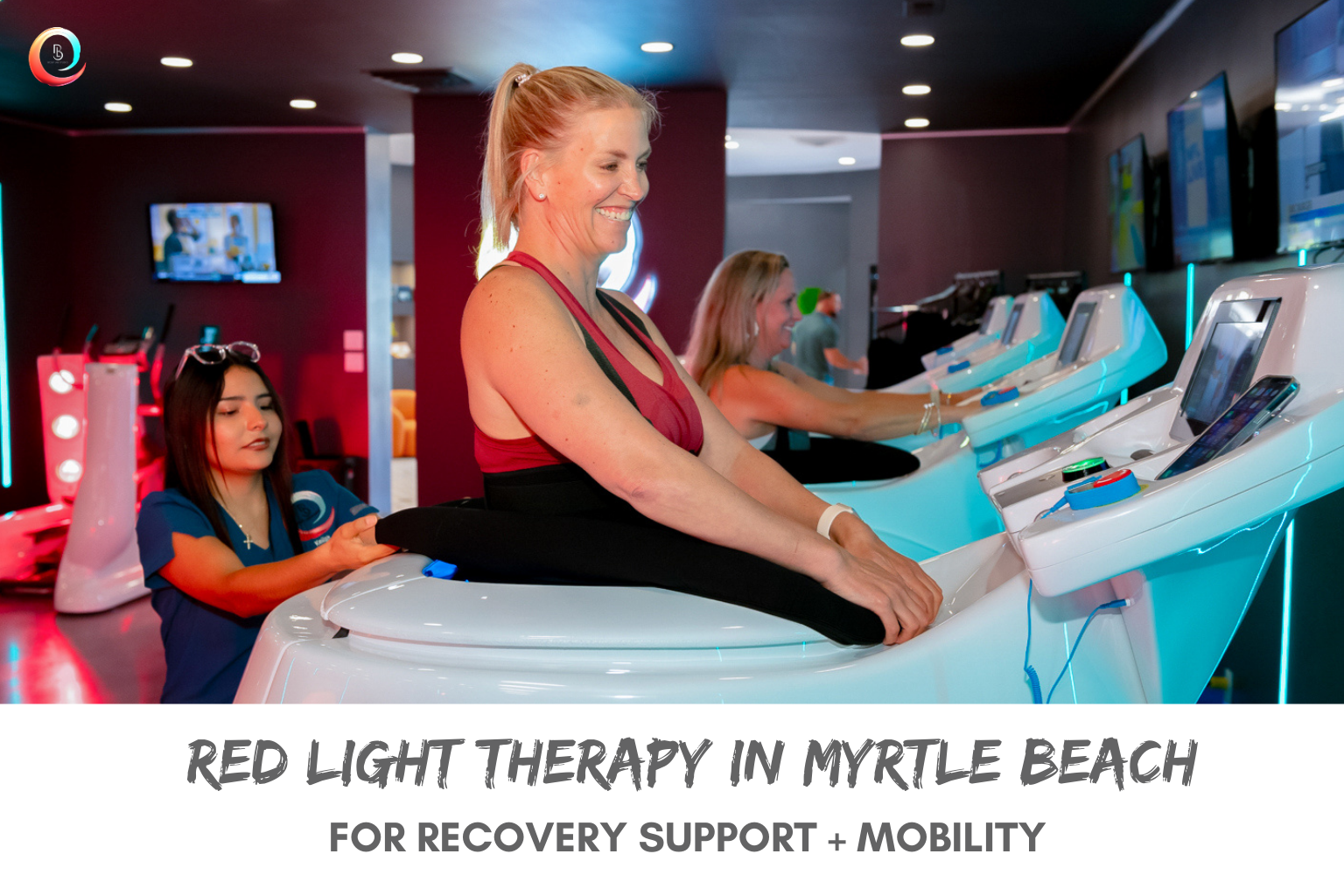
At Body Lab Studio, red light therapy is used as a non-invasive recovery support tool designed to complement your training routine. When used consistently and as part of a broader recovery plan, it may help reduce post-exercise soreness and support your body’s natural repair processes. Individual responses vary, and results depend on factors such as training intensity, timing, and overall health.
The Science: Why Exercise Causes Inflammation and What It Means for You
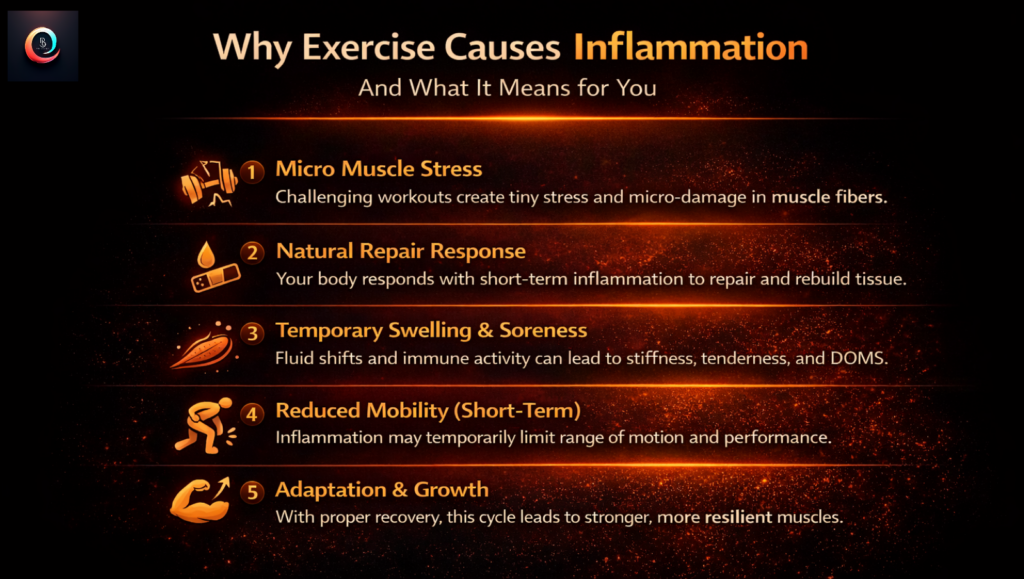
Exercise is good for you in large part because your body’s response to it is a form of healthy, short-term inflammation. When you push your body, microscopic tears and damage occur in your muscle fibers. This “good stress” triggers a cascade of natural healing processes that repair and strengthen your muscles and make you fitter over time.
However, the same inflammatory process can:
- Cause swelling and pain
- Reduce range of motion and comfortable movement
- Interrupt or delay your next workout
- Interfere with sleep, energy levels, and daily performance
When inflammation is more intense or lasts longer than you want, it can turn a good training plan into a frustrating cycle of soreness and inconsistency. That is where targeted recovery tools, such as red light therapy and infrared-based modalities, can help support your body’s natural healing systems rather than simply masking discomfort.
How Red Light Therapy Supports Post-Workout Recovery
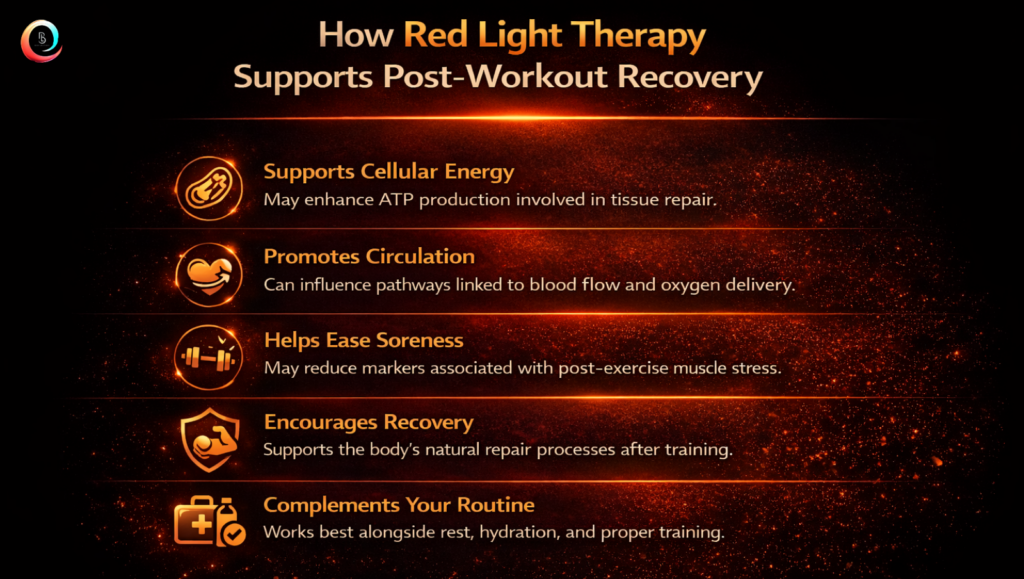
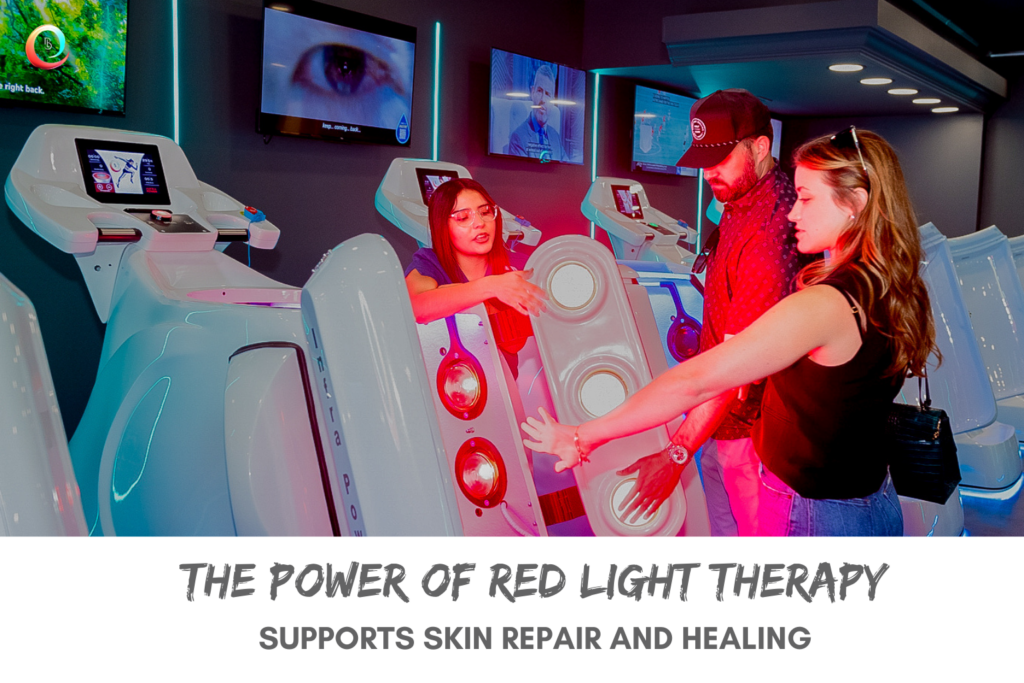
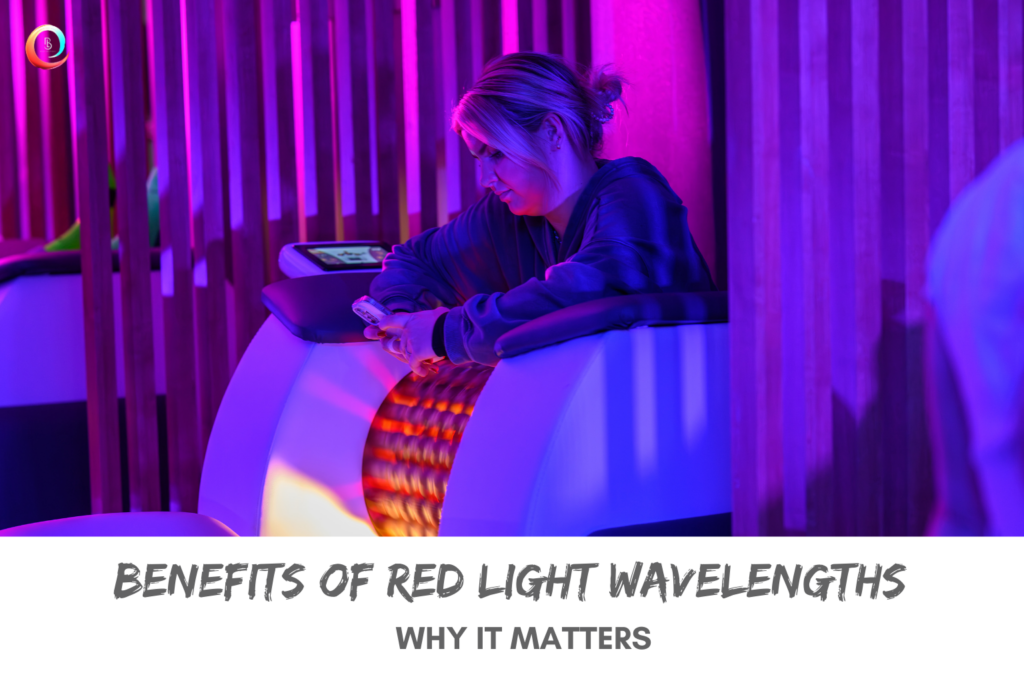
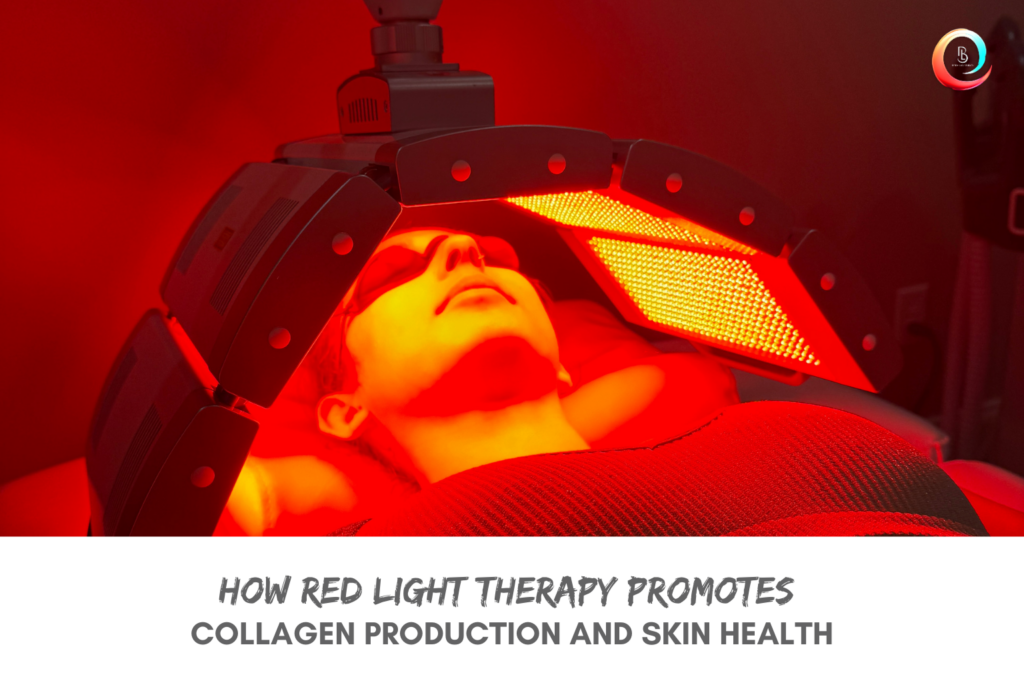
Recovery does not have to be something you simply push through. Red light therapy, also known as photobiomodulation (PBM) is a non-invasive modality that has been studied for its potential to support the body’s natural repair processes after exercise.
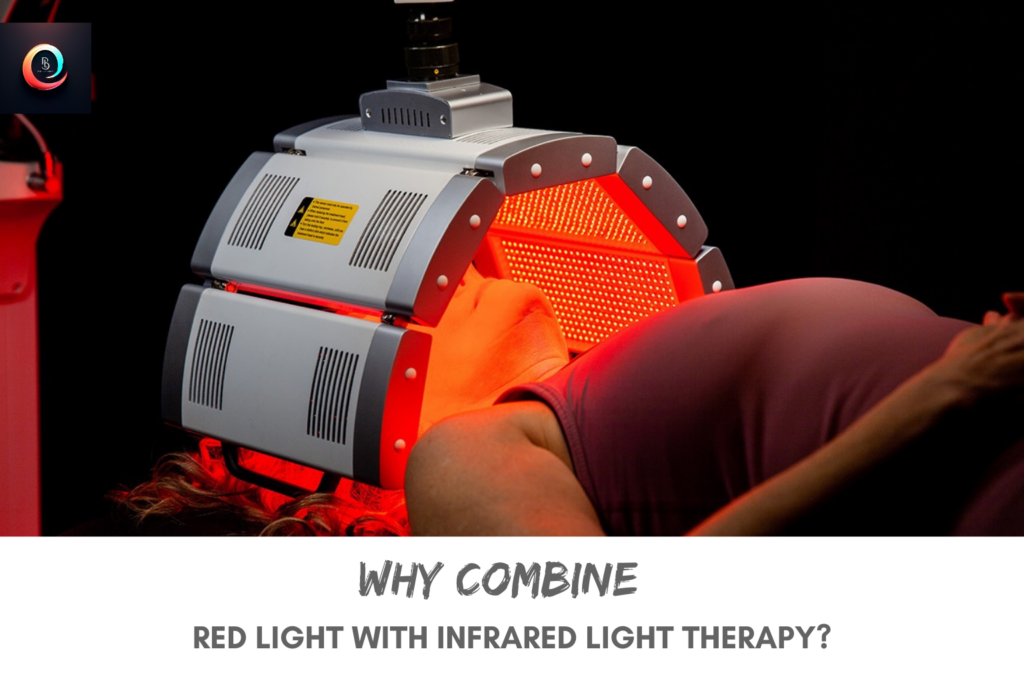
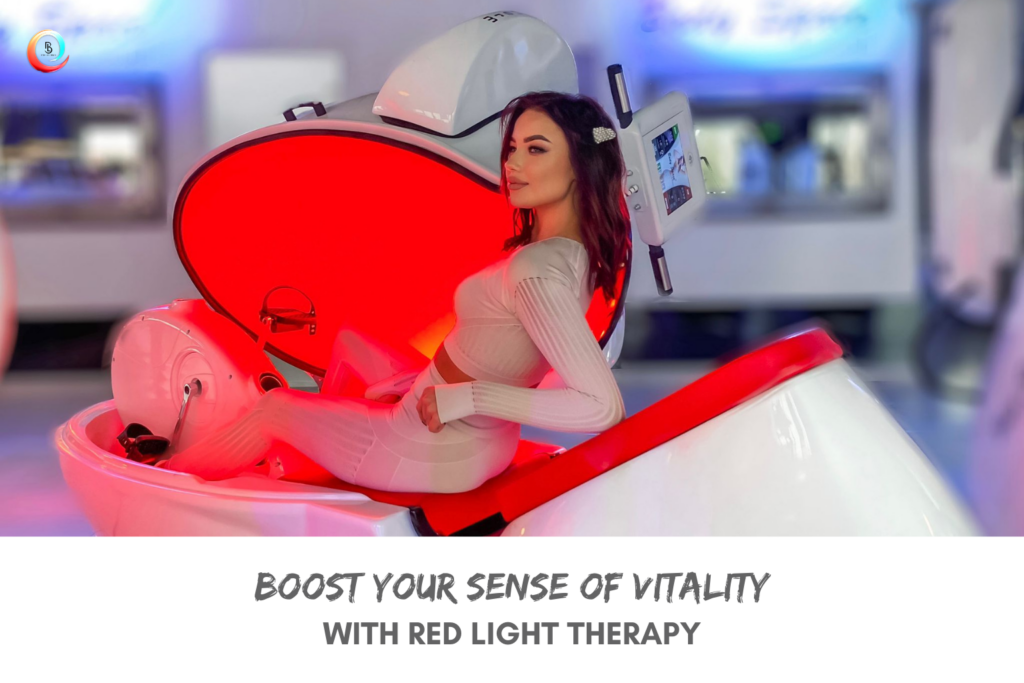
In research settings, photobiomodulation commonly uses wavelengths in the approximate 600–900 nm range. At Body Lab Studio, the POLY system uses medical-grade red LED light at approximately 633 nm and is delivered using standardized, preset protocols to promote consistent and appropriate dosing.
Clinical research suggests that exposure to specific red light wavelengths may influence cellular processes involved in recovery.
Proposed mechanisms include:
- Supporting mitochondrial activity: Certain molecules within cells absorb red light, which has been associated in studies with increased ATP (cellular energy) production. Because ATP is essential for tissue repair and adaptation, this may contribute to improved post-exercise recovery.
- Influencing nitric oxide signaling: Red light exposure has been shown in some studies to affect nitric oxide pathways, which are linked to vascular function and circulation.
- Modulating inflammatory markers: Research on exercise-induced muscle stress suggests photobiomodulation may help reduce certain markers associated with delayed onset muscle soreness (DOMS), depending on timing and dosage.
- Supporting muscle performance and comfort: Some clinical trials indicate improvements in aspects of muscle recovery and short-term performance when protocols are appropriately applied.
While responses vary based on individual physiology, training intensity, and treatment parameters, red light therapy is used at Body Lab Studio as part of a broader recovery strategy designed to support comfort, mobility, and consistency in training.
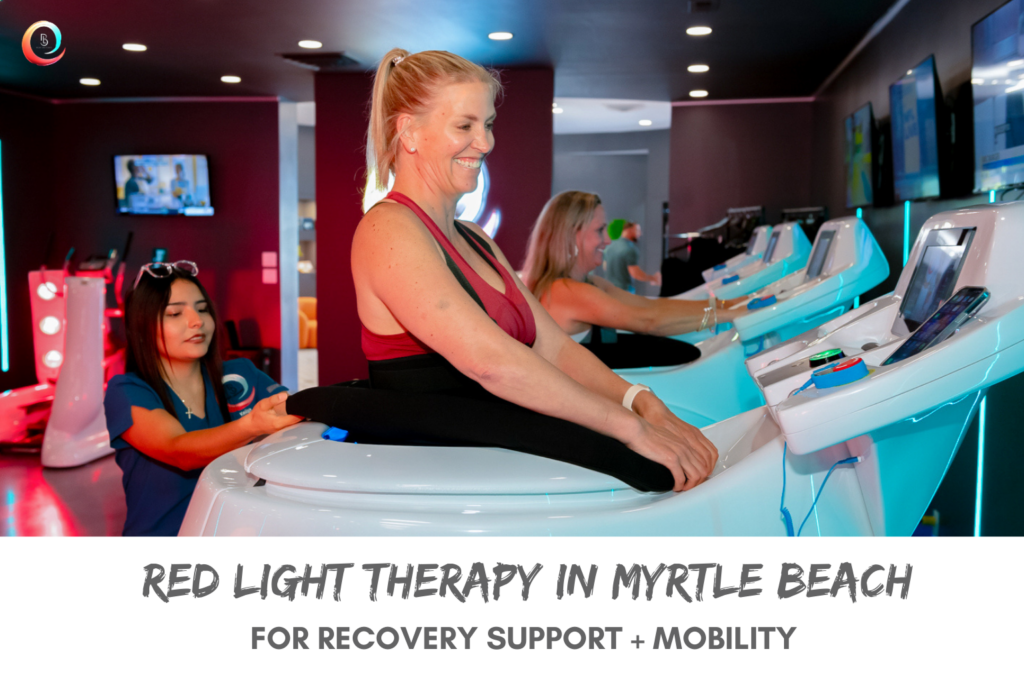
For clients specifically focused on fluid retention or a “heavy” post-workout feeling, red light therapy is often paired with mechanical lymphatic-focused services such as body rollers or LPG Endermologie, which are designed to directly support lymphatic circulation.
What to Expect in Your Recovery Experience
Getting Started with Red Light Therapy for Recovery
At Body Lab Studio, sessions are designed to be simple and easy to fit into your routine:
- Sessions are typically about 15 minutes using POLY’s preset protocols. You can schedule a session soon after training (if it fits your routine) or book it on rest days as a stand-alone recovery visit.
- The POLY Red Light Therapy system used in the studio is FDA 510(k) cleared and delivered using standardized, preset protocols to help ensure consistent treatment parameters. Your session is set up by staff based on the protocol that best matches your goals and comfort.
- During the session, you relax while the red and near-infrared light does its work. The treatment is non-invasive, does not cause pain, and does not require downtime. You can return to work, training, or daily tasks right away.
Many clients report that the experience feels calming and rejuvenating, almost like a reset for both body and mind after they have pushed hard in the gym or during a long day on their feet.
Synergistic Effects: Combine Red Light Therapy with Infrared and Lymphatic Drainage
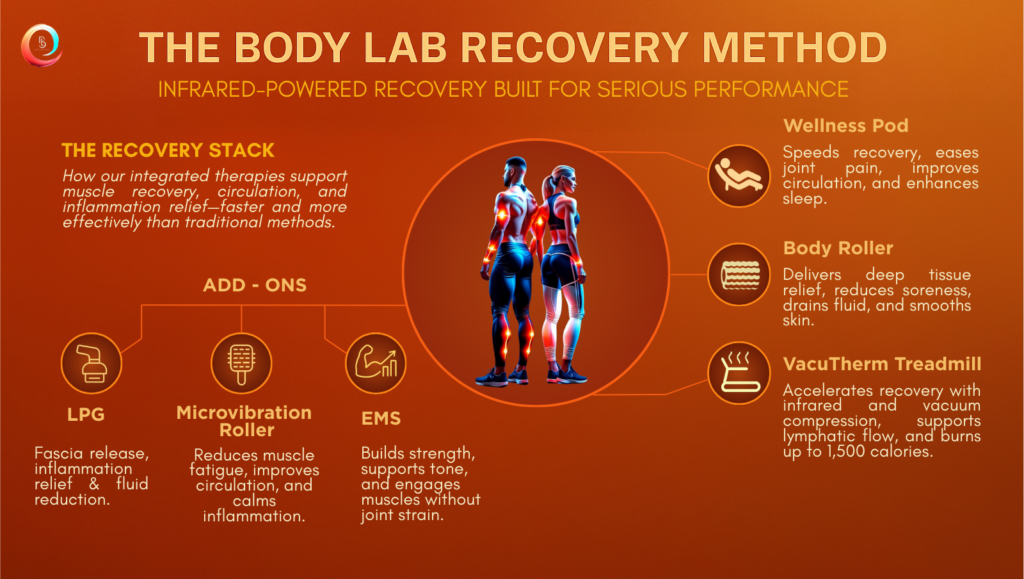
In the Body Lab Studio environment, clients often choose to combine multiple modalities in one visit to stack benefits and create a more comprehensive recovery plan. While red light therapy supports cellular energy and inflammation control, other services enhance circulation, detoxification support, and muscle relaxation.
Some powerful combinations include:
- Infrared wellness: Infrared-based therapies and saunas have been shown to support circulation, relaxation, and recovery of neuromuscular performance after challenging resistance or endurance exercise. When combined with red light therapy, you get both deep-penetrating heat and light-based cellular support for a more complete post-workout reset.
- Lymphatic drainage (body rollers and LPG Endermologie): Mechanical lymphatic support can help reduce fluid retention, bloating, and that heavy, sluggish feeling in the legs and body after training. When paired with red light therapy, clients often feel quicker relief from tightness and swelling.
EMS + RF sculpting: EMS (muscle stimulation) and radiofrequency are primarily used for body sculpting and toning support. Some clients like pairing sculpting visits with recovery-focused services (like POLY and lymphatic modalities) as part of an overall wellness routine, but it’s best to space higher-intensity body treatments appropriately and choose combinations based on your goals, how you feel after training, and staff guidance.
Benefits: Combine Treatments for Multiplying Effects
Most clients do not only want to feel less sore; they want to train more consistently and with greater confidence in their recovery. With a thoughtful combination of red light therapy and complementary services, clients commonly report:
- Reduced stiffness and tightness in muscles and joints
- More comfortable movement after a rest day or following an intense training session
- An easier time scheduling and completing workouts on consecutive days
With consistent use over weeks to months, it may be possible to:
- Train longer or more frequently while maintaining better recovery
- Work through minor strains or day to day aches with less need to take extended time off
- Experience relief or reduced symptom burden from chronic joint or soft tissue conditions, such as osteoarthritis, when used alongside exercise and other appropriate care as advised by a health professional
Who Should Use Red Light Therapy for Workout Recovery?
Red light therapy and related recovery services at Body Lab Studio are appropriate for a wide range of people, including:
- Athletes of all levels who want to improve performance, stay consistent with training, and reduce post-exercise soreness
- Recreational exercisers who are serious about their health and want to feel good between workouts, not just during them
- Beginners or individuals returning to movement who want to ease into a new routine while minimizing discouraging soreness
- Busy professionals and parents looking for convenient, time-efficient recovery options they can trust to fit within a packed schedule
- Anyone seeking a natural, non-drug approach to support healthy inflammation resolution, circulation, and mobility
As with any wellness modality, people with specific medical conditions should consult their healthcare provider if they have concerns about light exposure, implanted devices, or other factors.
Frequency Asked Questions
1. How Soon Will I See Results?
Many clients experience a noticeable reduction in soreness or muscle tightness after their first session. For others, results develop more gradually as benefits accumulate over multiple visits across several weeks.
Research on photobiomodulation (PBM) indicates that repeated sessions can create a cumulative effect on:
- Muscle recovery and performance
- Inflammatory response and oxidative stress balance
- Overall energy and endurance
When paired with a consistent movement or training program, results are typically more pronounced and longer lasting.
2. Is It Safe to Use This Often?
In general, red light therapy is well-tolerated when performed with appropriate equipment and evidence-informed parameters. That said, it isn’t for everyone. People with photosensitivity, a history of seizures triggered by light, active migraine sensitivity, pregnancy, or recent isotretinoin (Accutane) use should check with a clinician (and your provider) before scheduling.
3. Can I Try It Even If I’m Not an Athlete or Active Person?
Absolutely. You don’t have to be an athlete to benefit from the effects of red light therapy.
PBM supports circulation, cellular energy, and inflammation control, which are helpful for anyone – whether you:
- Spend long hours standing at work
- Sit at a desk for extended periods
- Are just beginning a fitness journey
Red light therapy can be used as part of a gentle, wellness-focused plan to help your body recover, rebalance, and adapt more comfortably, even if you’re only starting to move more or reintroduce activity into your lifestyle.
Optimize Your Recovery and Your Results
At Body Lab Studio, post-workout recovery is not an afterthought. It is built into your overall plan for meaningful, sustainable transformation. By pairing science-backed tools such as red light therapy, infrared wellness, lymphatic drainage, and targeted sculpting with education and support, the studio creates a setting where your body is consistently supported as you challenge it.
The calm, supportive studio environment and education-first philosophy mean you understand why each modality is used, how it supports your body, and how to integrate it into your training week. This allows you to spend less time guessing and more time feeling strong, mobile, and ready for what is next.
If you are ready to feel lighter, move better, and keep making progress without being held back by lingering soreness, consider exploring a customized recovery plan. You can book a consultation, try red light therapy as a stand-alone session, or explore the RESET Membership for comprehensive access to Myrtle Beach’s advanced recovery and performance tools at Body Lab Studio.
Ahokas, E. K., Ihalainen, J. K., Hanstock, H. G., Savolainen, E., & Kyröläinen, H. (2023). A post-exercise infrared sauna session improves recovery of neuromuscular performance and muscle soreness after resistance exercise training. Biology of Sport, 40(2), 681–689.
https://pubmed.ncbi.nlm.nih.gov/37398966/
Hu, D., van Zeyl, M., Valter, K., & Potas, J. R. (2019). Sex, but not skin tone affects penetration of red-light (660 nm) through sites susceptible to sports injury in lean live and cadaveric tissues. Journal of Biophotonics, 12(8), e201900010.
https://doi.org/10.1002/jbio.201900010
Kashiwagi, S., et al. (2022). Photobiomodulation and nitric oxide signaling. Redox Biology, 54, 102358.
https://pubmed.ncbi.nlm.nih.gov/36462596/
Keszler, A., Lindemer, B., Broeckel, G., & Weihrauch, D. (2022). In vivo characterization of a red light-activated vasodilation: A photobiomodulation study. Frontiers in Physiology, 13, 880158.
https://pmc.ncbi.nlm.nih.gov/articles/PMC9108481/
Keszler, A., Lindemer, B., Broeckel, G., & Weihrauch, D. (2024). Vitamin E attenuates red-light-mediated vasodilation: The benefits of a mild oxidative stress. Antioxidants, 13(6), 668.
https://www.mdpi.com/2076-3921/13/6/668
Maciel, D. G., et al. (2014). Near-infrared light therapy to attenuate strength loss after strenuous resistance exercise. Journal of Athletic Training, 49(3), 293–304.
https://pmc.ncbi.nlm.nih.gov/articles/PMC4299734/
Salehpour, F., Salehpour, A., Cassano, P., & Hamblin, M. R. (2018). Brain photobiomodulation therapy: A narrative review. Journal of Cerebral Blood Flow and Metabolism, 38(2), 283–297.
https://pubmed.ncbi.nlm.nih.gov/29327206/
Tsou, Y. H., et al. (2025). Effects of photobiomodulation therapy on exercise-induced muscle damage and delayed onset muscle soreness: A systematic review and meta-analysis. Journal of Functional Morphology and Kinesiology, 10(3), 277.
https://doi.org/10.3390/jfmk10030277
Vassão, P. G., de Souza, A. C. F., da Silveira Campos, R. M., Garcia, L. A., Tucci, H. T., & Renno, A. C. M. (2021). Effects of photobiomodulation and a physical exercise program on inflammatory and cartilage degradation biomarkers and functional capacity in women with knee osteoarthritis. Advances in Rheumatology, 61, 62.
https://advancesinrheumatology.biomedcentral.com/articles/10.1186/s42358-021-00220-5