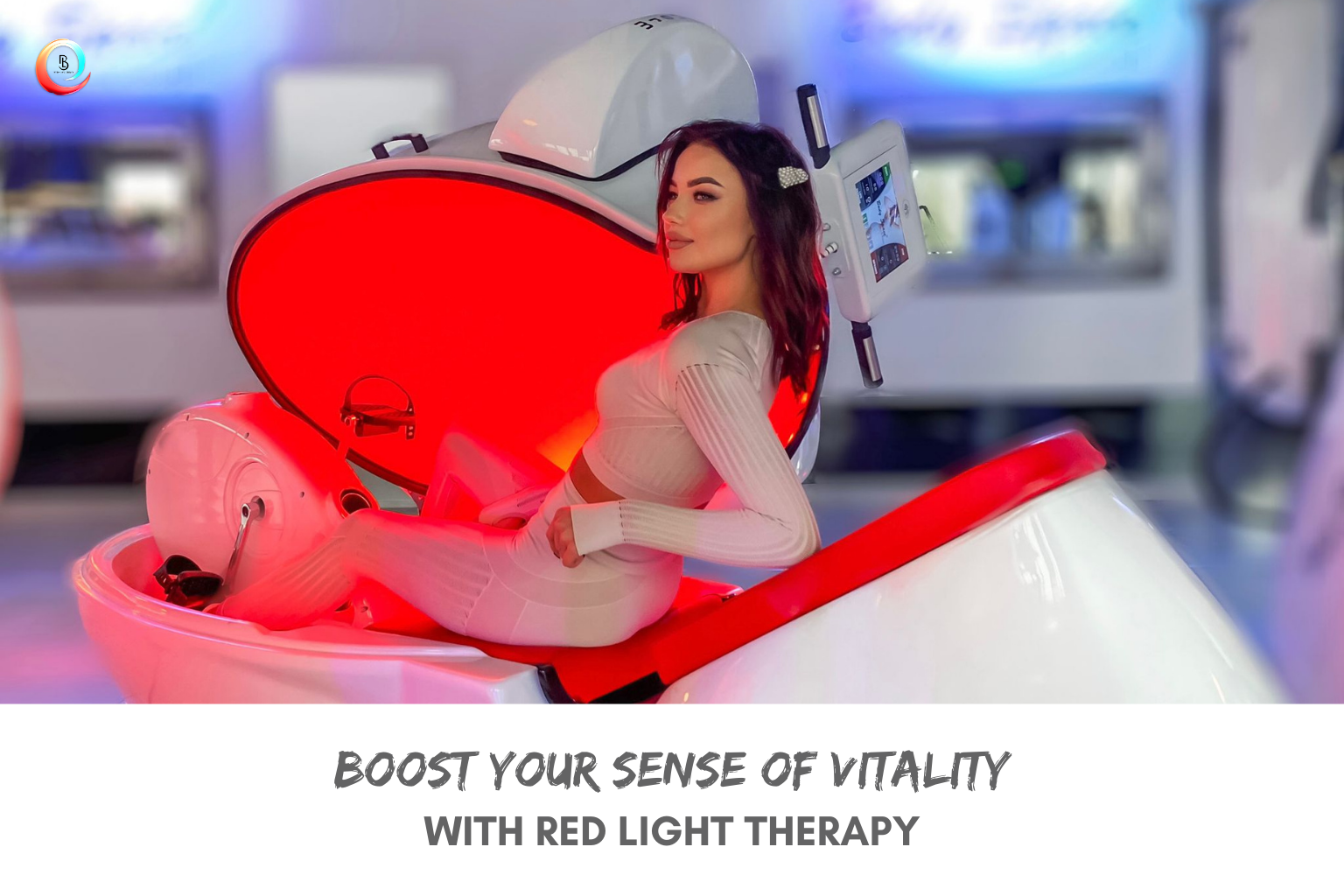
Feeling Worn Down Is Common, but It Doesn’t Have to Be Your Baseline
Many people move through their days feeling flat, heavy, or slower to recover than they used to, even when sleep, nutrition, and exercise are “good on paper.” You might wake up functional but end the day feeling spent, foggy, or physically drained.
For busy professionals, parents, students, and active adults in Myrtle Beach, this kind of low-grade fatigue is increasingly common. It does not always signal a medical problem, but it often reflects how modern stress, training load, and recovery demands add up over time.
At Body Lab Studio, we focus on supporting the body’s natural recovery and cellular processes, not quick fixes or exaggerated promises. One tool we use for that purpose is POLY Red Light Therapy.
What Red Light Therapy Is (and What It Is Not)
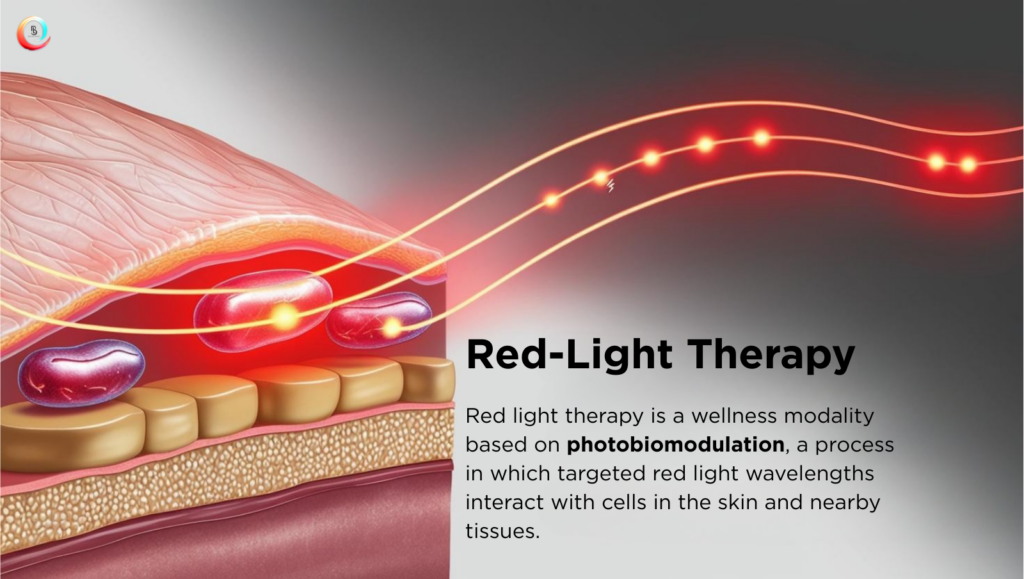
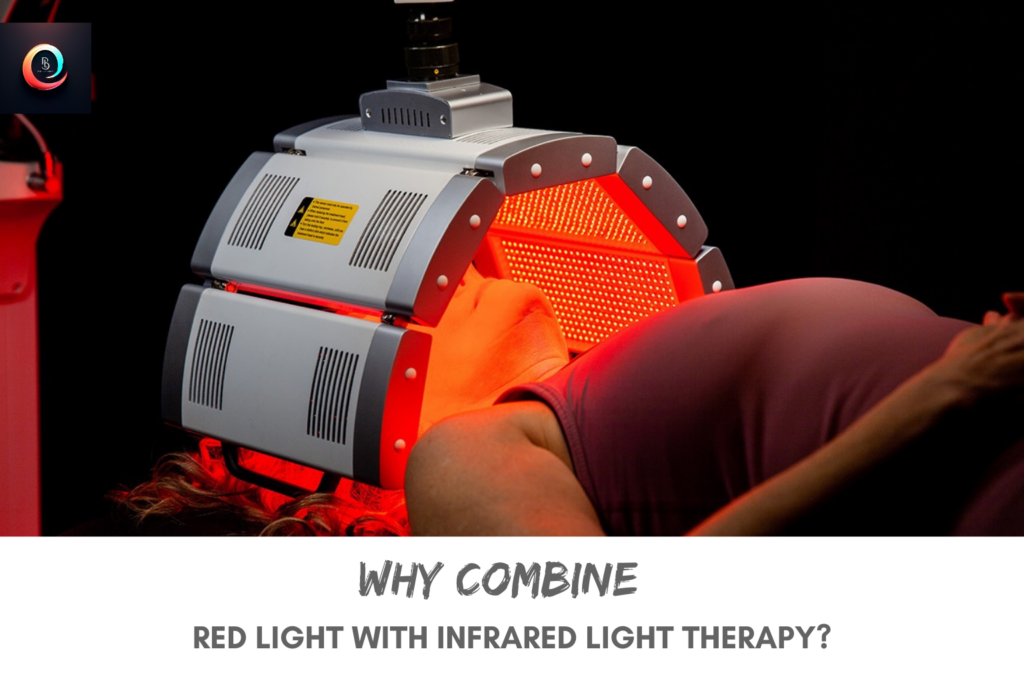
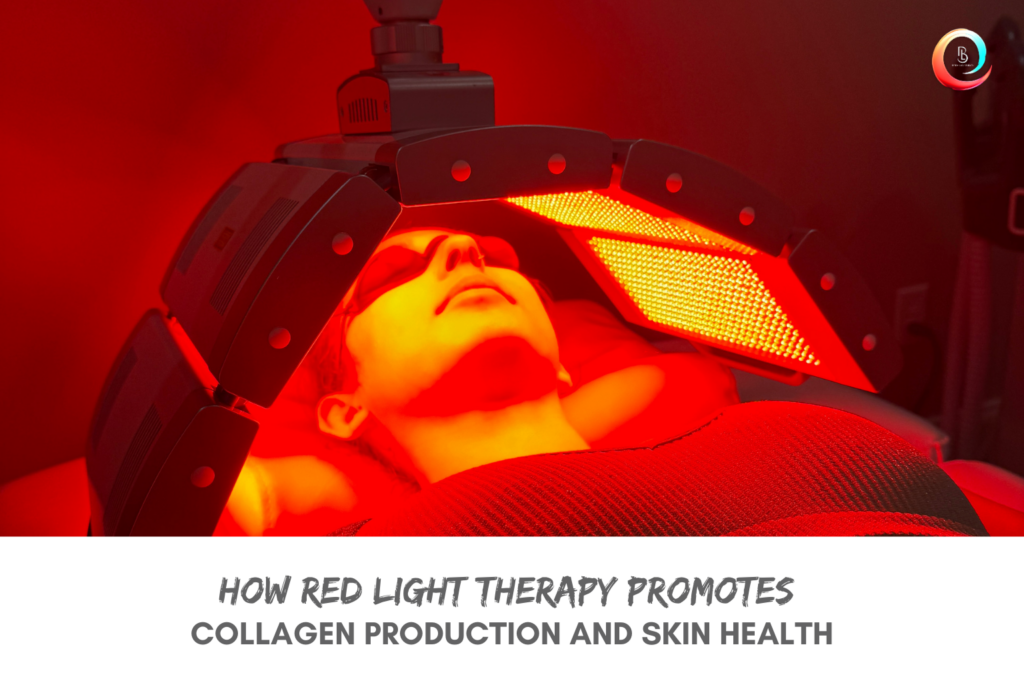
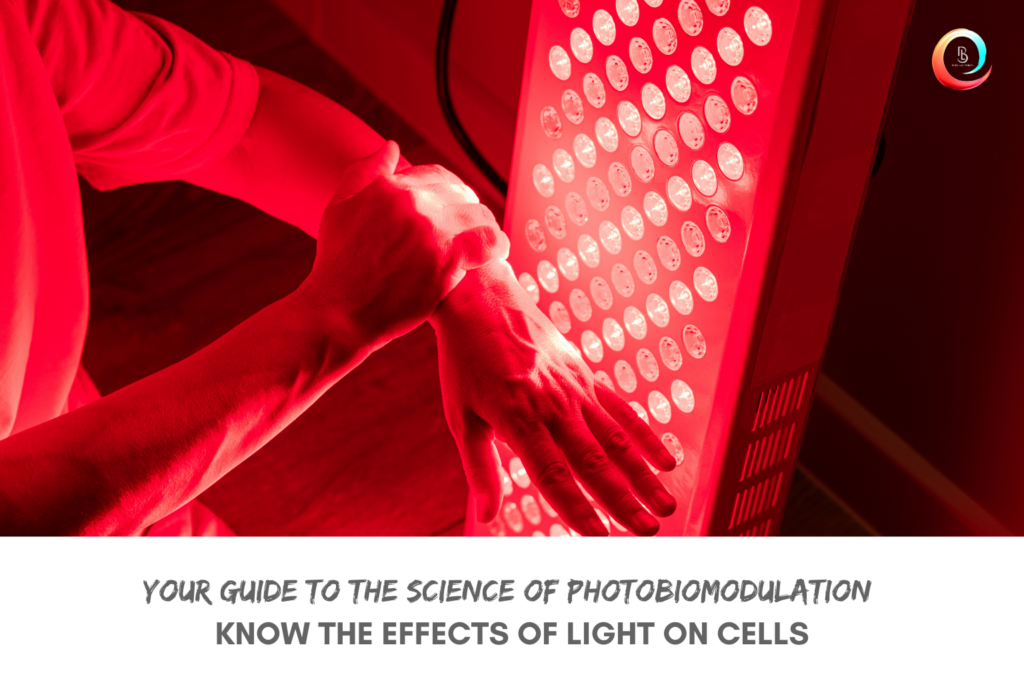
Red light therapy is a wellness modality based on photobiomodulation, a process in which targeted red light wavelengths interact with cells in the skin and underlying tissues to support normal cellular function.
In laboratory and human studies, these wavelengths have been shown to:
- Add effects depend on dose, distance, and consistency.
- Influence local circulation and oxygen utilization
- Support normal cellular repair and adaptive responses to physical stress
Important context:
The POLY panel used in a spa or wellness studio is not the same as medical or transcranial devices used in neurological or sleep research. Those studies involve different equipment, dosing, placement, and clinical supervision. While they inform the broader science of light-cell interaction, they are not direct evidence for spa-based red light sessions treating brain conditions, sleep disorders, or neurological fatigue.
Our use of red light therapy is positioned clearly as supportive wellness care, not medical treatment.
How Red Light Therapy Supports Cellular Efficiency and Recovery
The Science in Plain Language
When red or near-infrared light reaches the skin, it is absorbed by light-sensitive molecules inside cells, including components of the mitochondria. Mitochondria are responsible for producing ATP, the molecule cells use to carry out everyday functions.
Research suggests that, when appropriately dosed:
- Cells may use oxygen and nutrients more efficiently
- Local tissues may recover more smoothly after physical stress
- Some studies associate PBM with modest improvements in soreness and performance markers, depending on protocol.
In sports and exercise studies, photobiomodulation has been associated with:
- Improved muscular endurance
- Reduced post-exercise soreness
- Faster subjective recovery between training sessions
These findings are most relevant to muscle tissue and local performance, which aligns well with whole-body or regional panel-based red light sessions.
What Clients Often Notice in Real Life
While individual responses vary, people who use red light therapy consistently often describe:
- A steadier feeling of physical energy across the day
- Less heaviness or stiffness after workouts
- Improved comfort and recovery rather than a stimulant-like “boost”
Rather than acting like caffeine or adrenaline, red light therapy tends to support a calmer, more sustainable sense of vitality tied to recovery and tissue health.
How Red Light Fits Into a Broader Wellness Approach
Infrared Sessions for Circulation and Relaxation
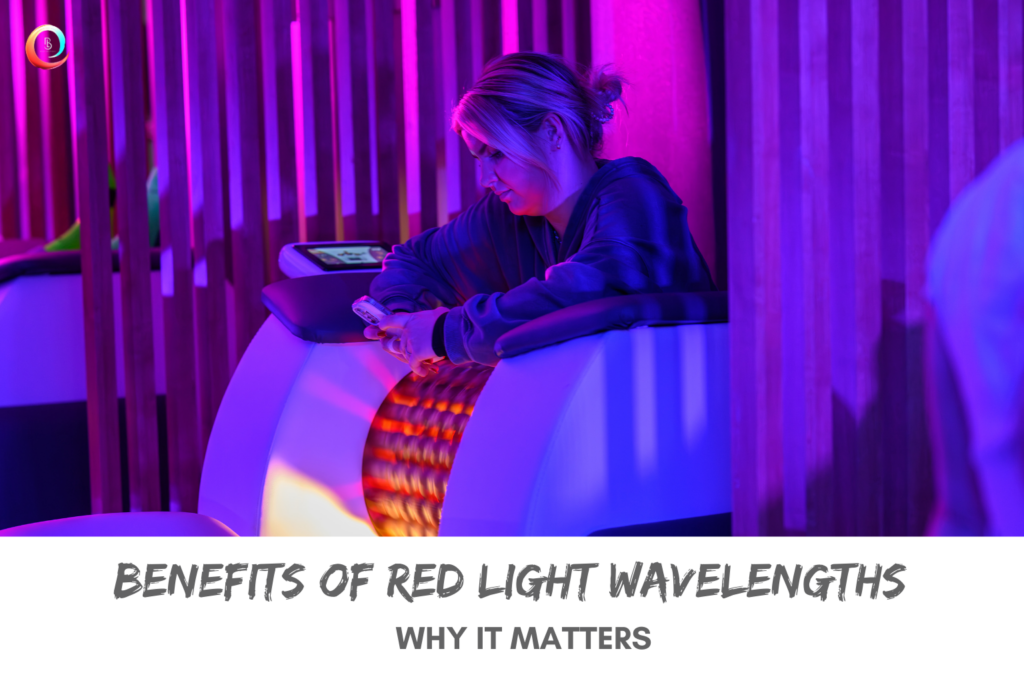
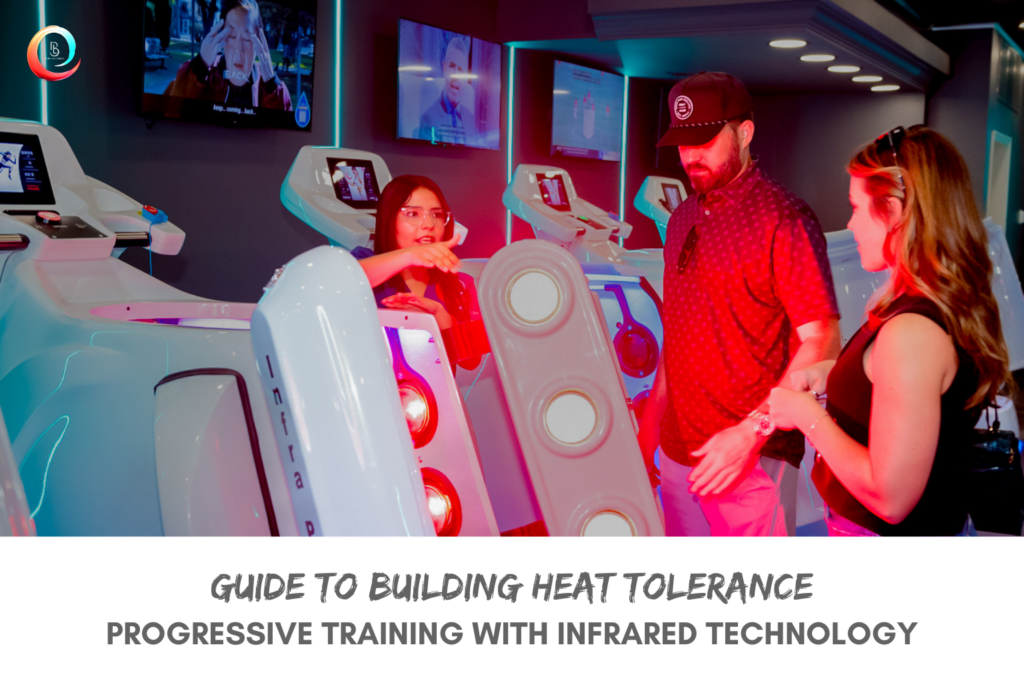
Infrared therapies use longer wavelengths of light that gently warm tissues, creating a comfortable heating effect that supports relaxation and circulation.
Studies suggest infrared exposure can support:
- Circulation
- Muscle relaxation
- Post-exercise recovery
When paired thoughtfully, infrared and red light sessions may complement each other. One focuses more on thermal circulation and relaxation, while the other targets cellular light responses.
Lymphatic Services for Comfort and Fluid Balance
The lymphatic system helps regulate fluid movement and immune surveillance.
Manual or mechanical lymphatic services are designed to:
- Encourage fluid movement
- Reduce feelings of heaviness or puffiness
- Promote relaxation and parasympathetic tone
These services are not detox treatments, but they can support how comfortable and recovered the body feels, especially during periods of physical or lifestyle stress.
Nutrition and Hydration Still Matter
Light-based therapies do not replace foundational health habits. Adequate hydration, balanced nutrition, and sufficient recovery time provide the raw materials cells need to function well. Red light therapy works best as an adjunct, not a substitute.
Safety, FDA Status, and What to Expect
Safety First
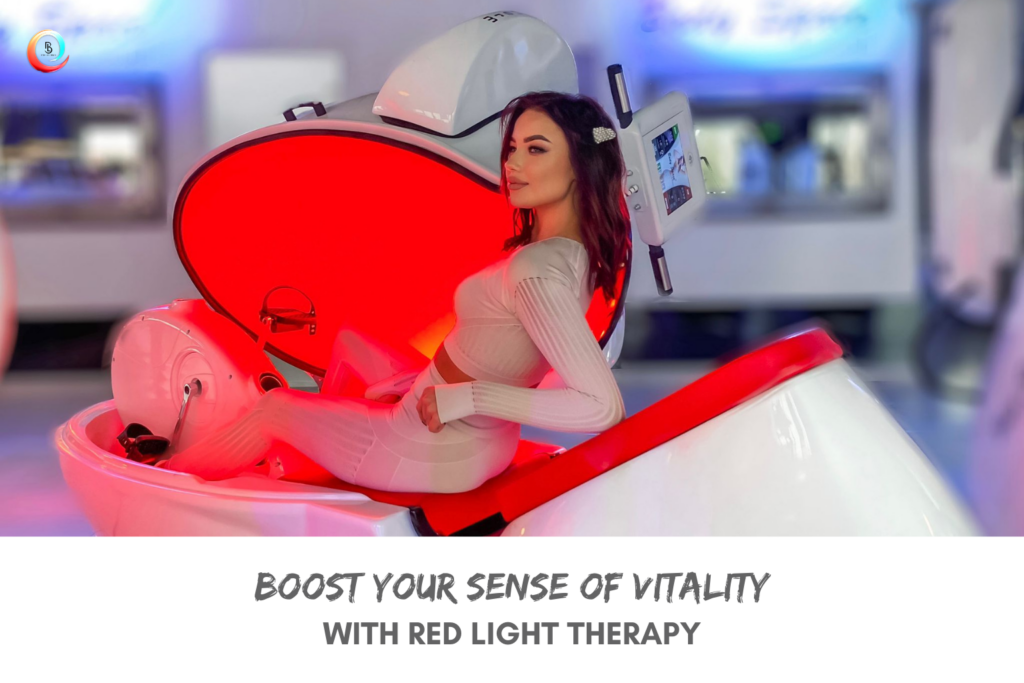
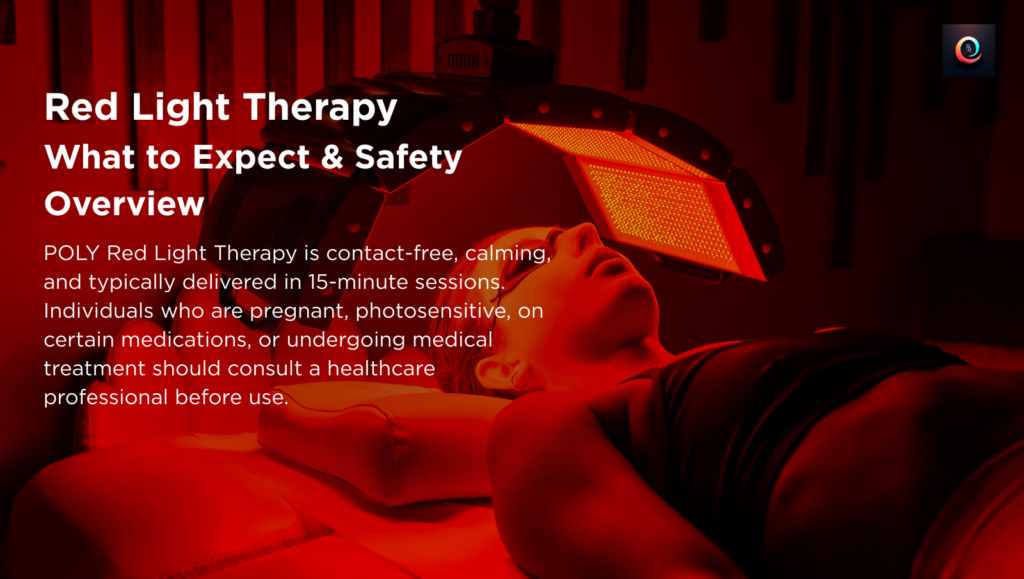
POLY Red Light Therapy is non-invasive, contact-free, and comfortable. Sessions are typically 15 minutes (some protocols may vary by goal). Most people find them calming rather than stimulating.
Decades of photobiomodulation research support a strong safety profile when red light is used at appropriate intensities and session durations.
However, red light therapy is not appropriate for everyone. Clients who are pregnant, have known photosensitivity disorders, take photosensitizing medications, have epilepsy, or are undergoing active cancer treatment should consult their healthcare provider before use.
FDA Cleared
POLY is FDA-cleared for certain aesthetic/skin indications; we don’t position it to diagnose, treat, or cure medical conditions.” (Avoid implying FDA clearance for fatigue/recovery.)
At Body Lab Studio, red light therapy is offered as a wellness service, not a medical intervention.
How Often to Use Red Light Therapy
Consistency matters more than intensity. Many wellness and performance studies use 2 to 3 sessions per week over several weeks.
In our studio, clients often start with:
- 2 to 3 sessions per week for the first month
- Adjustments based on comfort, goals, and perceived recovery
Subtle benefits may appear early, while more noticeable changes in recovery and daily vitality usually emerge with regular use.
Is Red Light Therapy Right for You?
Red light therapy may be a good fit if you:
- Feel physically run down or slow to recover
- Train regularly and want better recovery support
- Want a non-invasive way to support overall wellness
It is not a replacement for medical care, and we always encourage clients with persistent or unexplained fatigue to work with their healthcare providers.
The Bottom Line
Red light therapy is best understood as a supportive, recovery-focused wellness tool. By influencing how cells respond to light and stress, it may help you feel more resilient, comfortable, and steady in your day-to-day energy.
At Body Lab Studio, we combine red light therapy with infrared sessions, lymphatic services, and practical lifestyle guidance to create a balanced, evidence-informed approach to feeling better in your body.
If you are curious whether POLY Red Light Therapy fits your routine, we invite you to book a consultation or session and explore it with clear expectations, grounded science, and personalized guidance.
If you are looking for calm, intelligent, supportive infrared in Myrtle Beach, Body Lab Studio is here to help you pursue real results without spa clichés or fake scientific sounding services.
Body Lab Studio Is
- Focused on education first care with a calm, confident approach
- Rooted in non invasive, modern technology that is selected and combined for synergy
- Dedicated to real transformation, proven methods, and tangible results for modern professionals, parents, and busy clients in Myrtle Beach
FAQs for Infrared Clients in Myrtle Beach
1. How many sessions do I need before I notice a difference?
Most clients begin noticing subtle shifts in how they feel – less physical heaviness after workouts, a steadier sense of energy through the day, within the first two to three weeks of consistent use. More noticeable changes in recovery and daily vitality typically emerge after four to six weeks of regular sessions. We recommend starting with two to three sessions per week, then adjusting based on your goals and how your body responds. Consistency matters more than frequency, the research supporting photobiomodulation is built on sustained, repeated exposure, not single-session results.
2. Is red light therapy safe, and who should avoid it?
POLY Red Light Therapy is non-invasive, contact-free, and supported by decades of photobiomodulation research at appropriate intensities and session durations. Most clients find sessions calming rather than stimulating. That said, red light therapy is not suitable for everyone. We recommend consulting your healthcare provider before booking if you are pregnant, have a known photosensitivity disorder, take photosensitizing medications, have epilepsy, or are currently undergoing active cancer treatment. At Body Lab Studio, your safety informs every recommendation we make – we will never push a service that does not align with your health situation.
3. How is red light therapy different from the infrared wellness pods?
These are two distinct technologies that work through different mechanisms and complement each other well. Red light therapy uses specific red and near-infrared wavelengths absorbed at the cellular level, supporting mitochondrial function and tissue recovery. The infrared wellness pods use longer thermal wavelengths that gently warm the body, supporting circulation, muscle relaxation, and a deeper sense of recovery. Think of red light as working at the cellular level, while infrared works at the tissue and systemic level. Many clients use both as part of a layered recovery approach – your Body Lab team can help you sequence them in a way that fits your goals.
Ready to Feel the Difference?
If you have been curious about red light therapy but unsure where to start, a guided session at Body Lab Studio is the clearest next step. Our team walks you through the process, answers your questions, and helps you build a protocol that fits your body and your schedule.
Salehpour, F., Mahmoudi, J., Kamari, F., Sadigh-Eteghad, S., Rasta, S. H., & Hamblin, M. R. (2018). Brain photobiomodulation therapy: A narrative review. Journal of Cerebral Blood Flow & Metabolism, 38(2), 283–305. This narrative review summarized dozens of preclinical and clinical photobiomodulation studies involving sample sizes from small pilot groups to several hundred participants over periods ranging from days to months, concluding that red and near infrared light can enhance mitochondrial function, increase cerebral blood flow, and improve cognitive outcomes in a variety of conditions. https://pubmed.ncbi.nlm.nih.gov/29327206/
Lanferdini, F. J., Baroni, B. M., Lazzari, C. D., Sakugawa, R. L., Dellagrana, R. A., Diefenthaeler, F., Caputo, F., & Vaz, M. A. (2023). Effects of photobiomodulation therapy on performance in successive time-to-exhaustion cycling tests: A randomized double-blinded placebo-controlled trial. Journal of Functional Morphology and Kinesiology, 8(4), 144. In this trial, 18 recreational cyclists were followed over several weeks in a crossover design and received active or placebo photobiomodulation before repeated cycling tests, with active treatment improving time to exhaustion and muscle oxygenation, supporting enhanced mitochondrial energy production. https://pmc.ncbi.nlm.nih.gov/articles/PMC10594465/
Peserico, C. S., Zagatto, A. M., & Machado, F. A. (2019). Effects of endurance running training associated with photobiomodulation on 5-km performance and muscle soreness: A randomized placebo-controlled trial. Frontiers in Physiology, 10, 211. Thirty recreational runners completed 8 weeks of endurance training plus either active or sham photobiomodulation, and the active group showed greater improvements in 5 km performance and reduced post exercise muscle soreness, indicating better recovery and energy handling. https://www.frontiersin.org/articles/10.3389/fphys.2019.00211/full
Ahokas, E. K., Kyröläinen, H., Mero, A., Vasankari, T., Ahotupa, M., Oksala, N., et al. (2023). A post-exercise infrared sauna session improves recovery of neuromuscular performance and muscle soreness after resistance exercise. Biology of Sport, 40(4), 1063–1071. Sixteen men completed resistance exercise followed by either infrared sauna or passive recovery in a crossover design, and the infrared condition attenuated performance loss and reduced muscle soreness over 24 to 48 hours. https://pubmed.ncbi.nlm.nih.gov/37398966/
Mero, A., Tornberg, J., Mäntykoski, M., & Puurtinen, R. (2015). Effects of far-infrared sauna bathing on recovery from strength and endurance training sessions in men. SpringerPlus, 4, 321. Ten physically active men underwent multiple training sessions with and without far infrared sauna over several weeks, and far infrared sauna use was associated with faster perceived recovery and favorable changes in neuromuscular performance and cardiovascular responses. https://springerplus.springeropen.com/articles/10.1186/s40064-015-1093-5
Heiskanen, V., et al. (2023). Effects of near-infrared light on well-being and health in human office workers: A randomized controlled trial. Biology, 12(1), 60. Sixty office workers were randomized to receive either near infrared photobiomodulation or placebo over several weeks, and the active group showed modest but significant improvements in self-reported wellbeing and health, suggesting that regular near infrared exposure can support mood and perceived health. https://pmc.ncbi.nlm.nih.gov/articles/PMC9855677/
Jiang, X., et al. (2025). Transcranial photobiomodulation improves sleep quality, reduces daytime sleepiness, and modulates delta power in chronic insomnia: A randomized controlled trial. Lasers in Medical Science. In this study, adults with chronic insomnia were randomized to several weeks of active or sham transcranial photobiomodulation, and the active group experienced better subjective sleep quality, reduced daytime sleepiness, and favorable changes in EEG delta power, consistent with deeper sleep. https://pubmed.ncbi.nlm.nih.gov/41125953/
LightMEup Study Group. (ongoing). A feasibility study: Assessing photobiomodulation in myalgic encephalomyelitis (LightMEup). Clinical trial registration. This feasibility study is enrolling adults with myalgic encephalomyelitis to explore at-home photobiomodulation over several months, with planned outcomes including fatigue, quality of life, and functional status. https://www.clinicaltrials.gov/study/NCT06145867
Herrera, M. A., Ribas, A. P., Figueroa, R., González, K., Ortiz, M., Conti, A., et al. (2024). Red-light photons on skin cells and the mechanism of photobiomodulation. Frontiers in Photonics, 5, 1460722. This mini review examined human and laboratory studies on how red light affects skin cells, with clinical sample sizes typically ranging from 20 to 100 participants over weeks to months, and concluded that red light at therapeutic doses can safely enhance cellular metabolism, reduce oxidative stress, and support tissue repair. https://www.frontiersin.org/articles/10.3389/fphot.2024.1460722/full