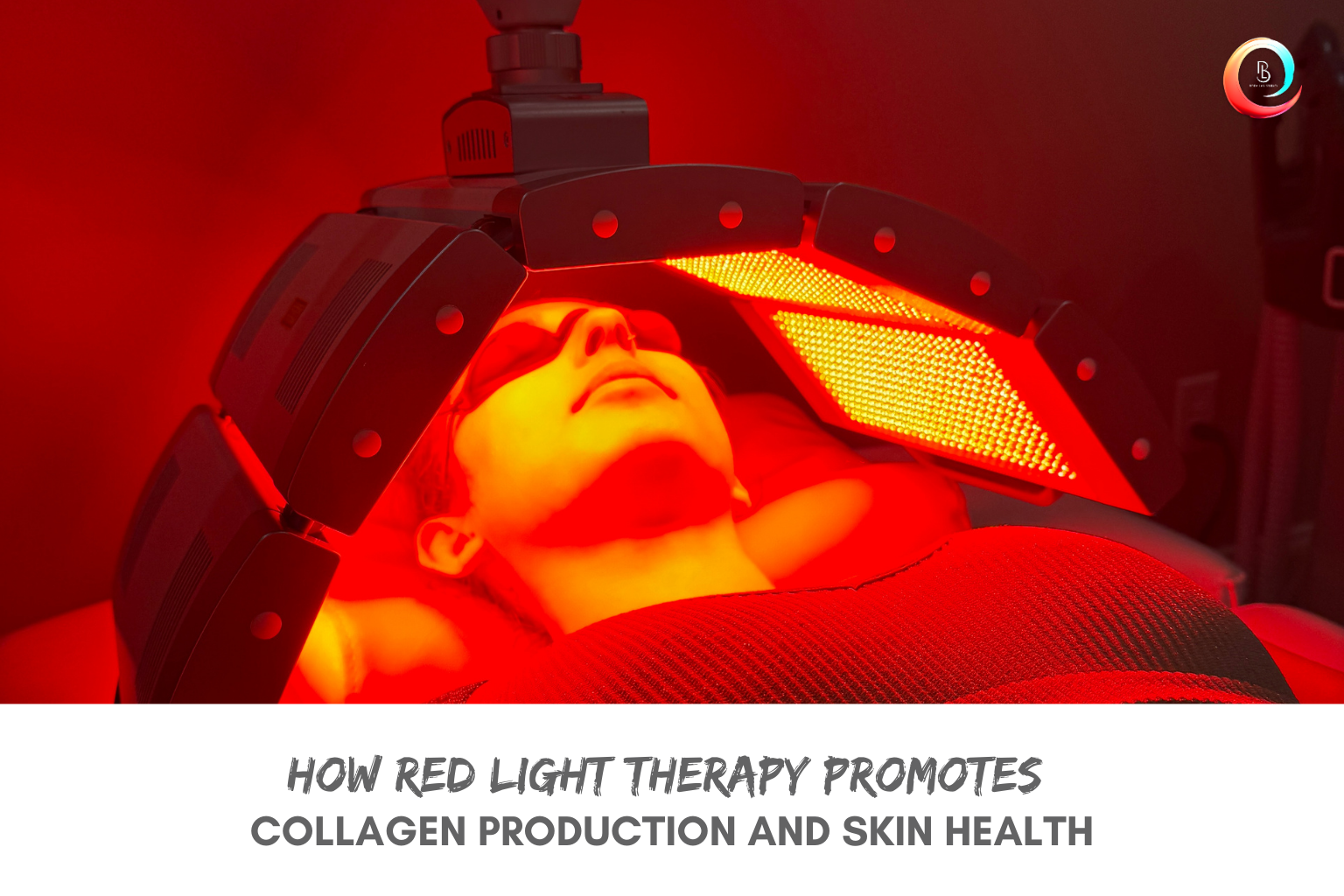
Why Does Skin Age So Much Despite Our Best Efforts?
It is not always a fair trade. You might have your health under control, feel active, eat well, and stay consistent with your at-home skincare ritual, yet it still gets harder to see that same resilient, bouncy skin you remember. Daily stressors and environmental damage, chronic inflammation, and the natural aging process all contribute. In Myrtle Beach, as in most places with significant sun exposure and environmental stress, skin health can suffer even when you are doing a lot “right” with your self-care.
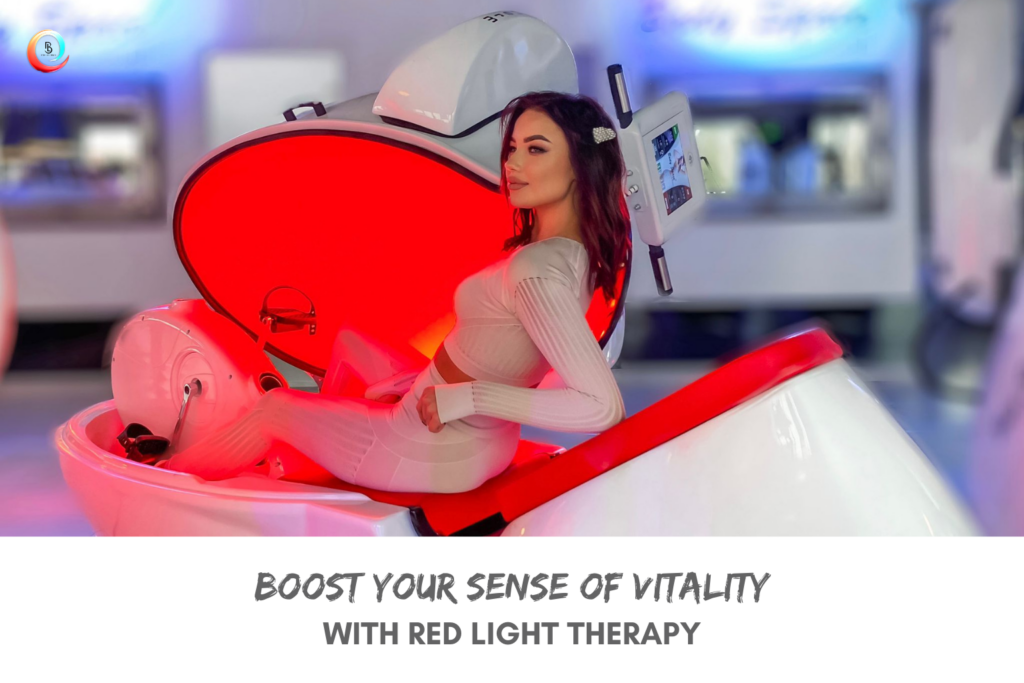
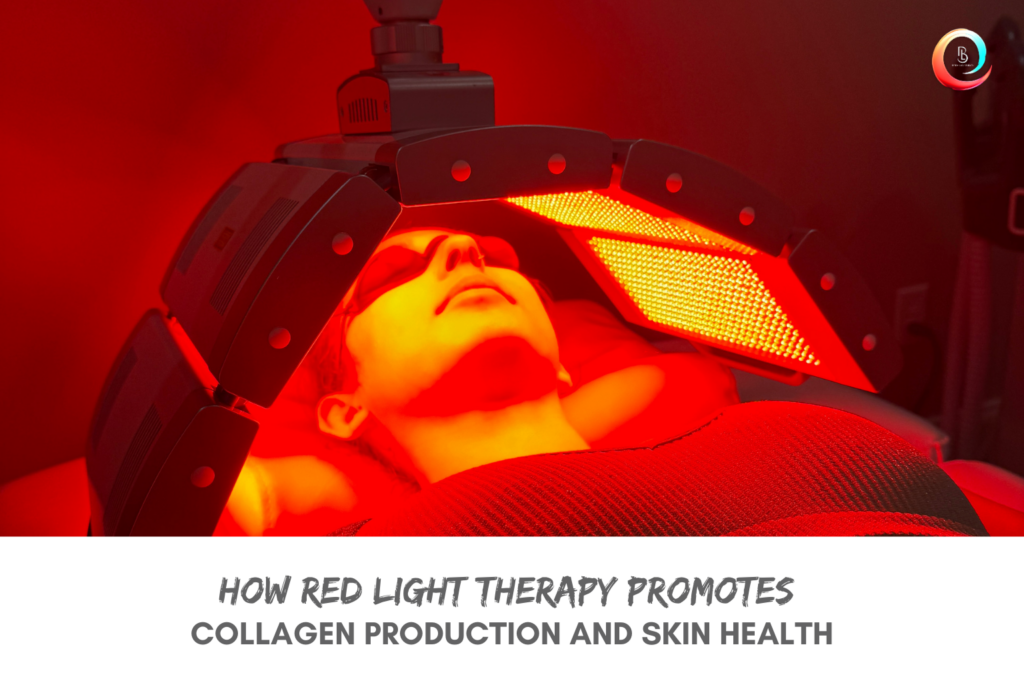
At Body Lab Studio, clients call us regularly looking for something that actually works without being invasive or disruptive to their lives. Our POLY Red Light Therapy is one of the gentlest and most evidence-based non-invasive options to support collagen and skin health available in Myrtle Beach today.
What Is POLY Red Light Therapy and How Can It Help?
A Bright Idea: Science-Backed Skin Rejuvenation
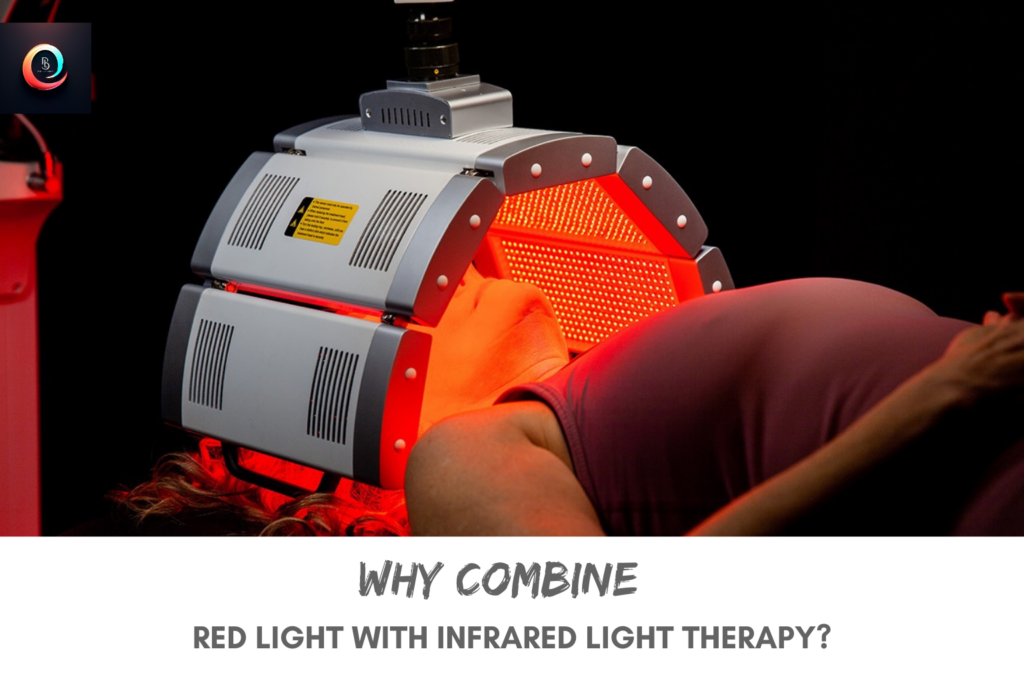
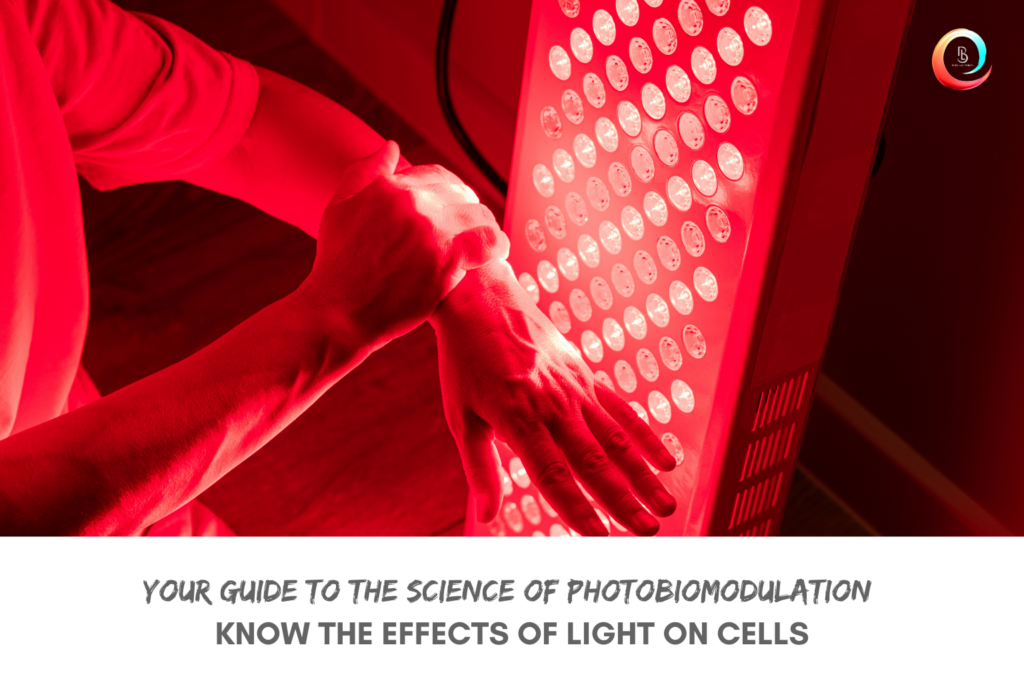
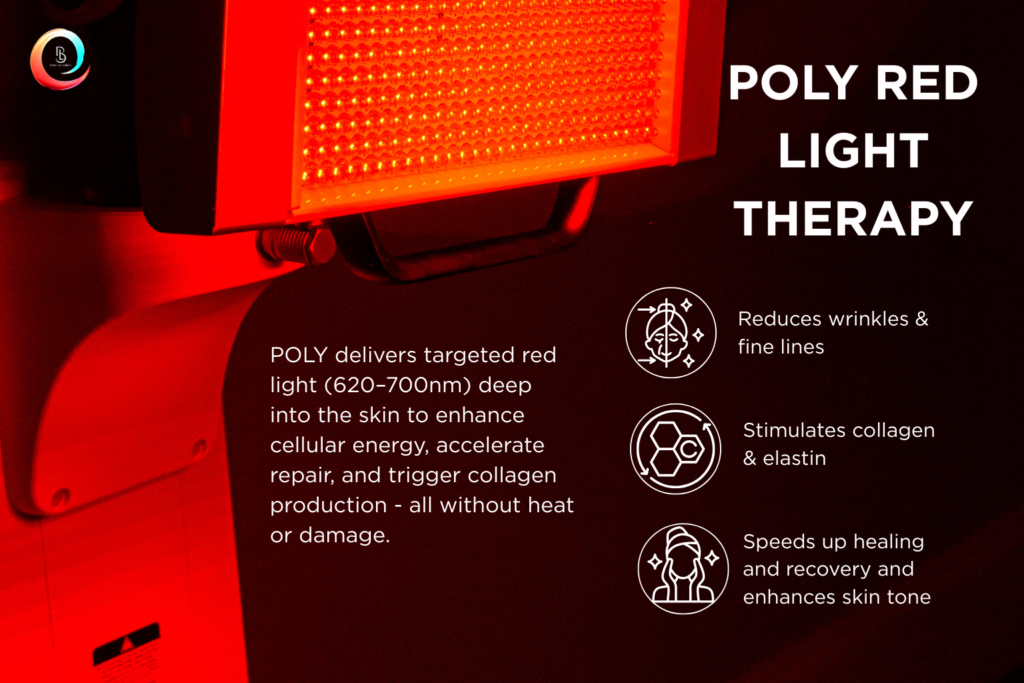
Red light therapy, also called photobiomodulation, uses non-ionizing light in the red and near-infrared wavelengths., Red light is typically ~620–700 nm; near-infrared is ~700–1100 nm. POLY’s red setting peaks around 633 nm. These wavelengths have been shown to enhance mitochondrial activity, support cellular energy production, and promote tissue repair.
A controlled clinical trial using red and near-infrared light for facial skin rejuvenation (30 sessions, 100+ participants) reported statistically significant improvements in fine lines, wrinkles, and measures of intradermal collagen density, with good overall tolerability. In other words, when red light is used at appropriate settings and consistently over several weeks, studies suggest it can support measurable improvements in skin texture and structure, though individual results vary.
At the cellular level, red and near-infrared light is thought to be absorbed by light-sensitive components inside cells, including within the mitochondria. This can influence cellular energy production (ATP) and downstream signaling involved in repair and recovery. Across laboratory research and human studies, photobiomodulation is associated with changes that may support healthier-looking skin, such as improved cellular resilience, a calmer inflammatory environment, and support for collagen and elastin maintenance, contributing over time to skin that looks smoother, firmer, and more even in tone.
POLY Red Light Therapy: FDA-Cleared Support for Skin and Well-Being
POLY Red Light Therapy uses a high-quality LED photobiomodulation (PBM) system that delivers non-ionizing red light at specific wavelengths and controlled settings. In the United States, PBM/LED therapy devices are regulated by the FDA, and many are reviewed through the 510(k) pathway for safety and performance for specific, labeled indications (which can vary by device).
Because FDA status depends on the exact device model and intended use, we avoid broad “FDA-cleared for everything” language. What is well supported in the research, however, is that appropriately dosed red and near-infrared light has a strong safety record and is widely studied for supporting tissue recovery and skin-related goals as part of a consistent plan.
The Proof Is in the Science Behind Red Light Therapy
Why does POLY Red Light Therapy work so well for skin? The answer comes down to how red and near-infrared light interact with your mitochondria, fibroblasts, and inflammatory pathways just beneath the surface.
Red Light Therapy Boosts Collagen Production
What Is Collagen and Why Does It Matter?
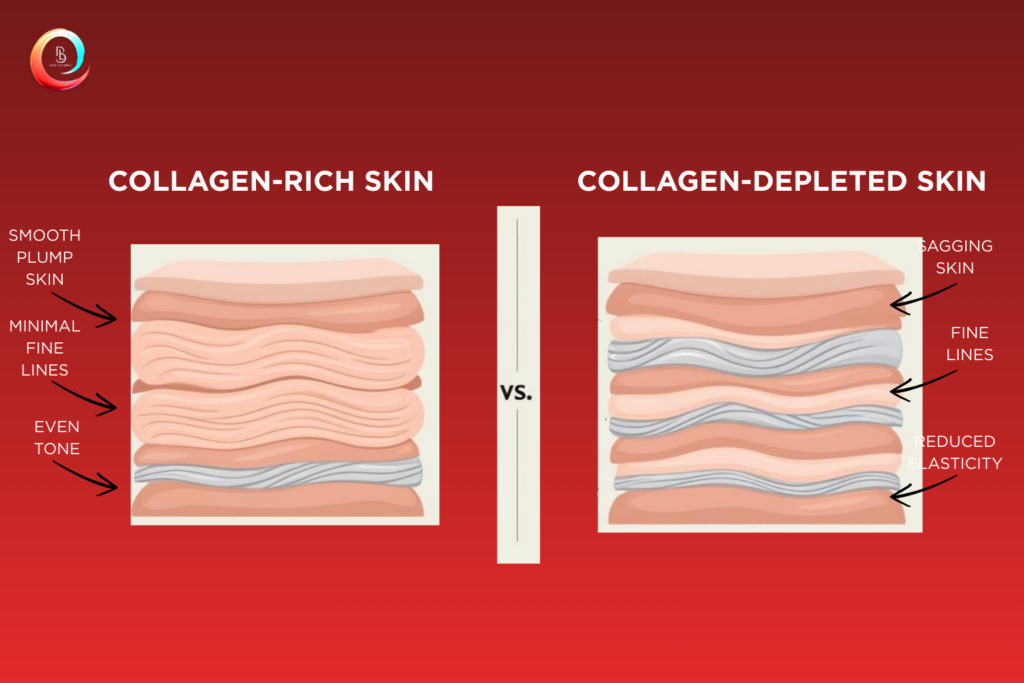
Collagen is the main structural protein in your skin and connective tissue. It is what helps your skin look firm, lifted, and bouncy. As you age, and as your skin experiences cumulative sun exposure, pollution, stress, and chronic inflammation, your natural collagen production slows. The collagen you already have can also break down more quickly. This progressive loss is one of the main reasons you see fine lines, wrinkles, sagging, and uneven texture over time.
Red and near-infrared light therapy directly supports the cells that make collagen, called fibroblasts. Multiple in vitro and in vivo studies show that appropriately dosed red light promotes fibroblast proliferation and increases collagen synthesis. Early foundational laboratory work has demonstrated that red wavelengths around 660 nm can increase fibroblast cell counts and activity, suggesting enhanced collagen-producing capacity over several days of exposure.
Clinical research has moved beyond laboratory findings to evaluate how red and near-infrared light affects real, visible skin changes. In controlled facial rejuvenation studies, full-face LED treatments delivered consistently over several weeks were associated with statistically significant increases in intradermal collagen density, measured through imaging techniques, along with measurable reductions in wrinkle depth and skin roughness over approximately 8 to 12 weeks.
One widely cited clinical trial using combined 633 nm and 830 nm LED treatments in photoaged skin found that a structured treatment protocol over about 12 weeks led to visible improvements in fine lines and overall skin texture, supported by histologic evidence of increased collagen thickness. Participants reported high satisfaction, and no serious adverse events were observed, suggesting that when used appropriately, red and near-infrared LED therapy can safely support gradual dermal remodeling over time.
At the mechanistic level, reviews of photobiomodulation in skin and connective tissue have described how red and near-infrared light modulate cytochrome c oxidase within mitochondria, increase ATP production, and trigger signals involving calcium, reactive oxygen species, and nitric oxide. These signals influence gene expression for collagen and extracellular matrix components, reduce matrix-degrading enzymes, and promote more balanced tissue repair.
Together, these findings support what many clients experience subjectively: firmer, smoother, and more lifted skin over a series of POLY Red Light Therapy sessions, as fibroblasts become more active and collagen networks are gradually rebuilt.
Red Light Therapy Encourages Healing and Reduces Inflammation
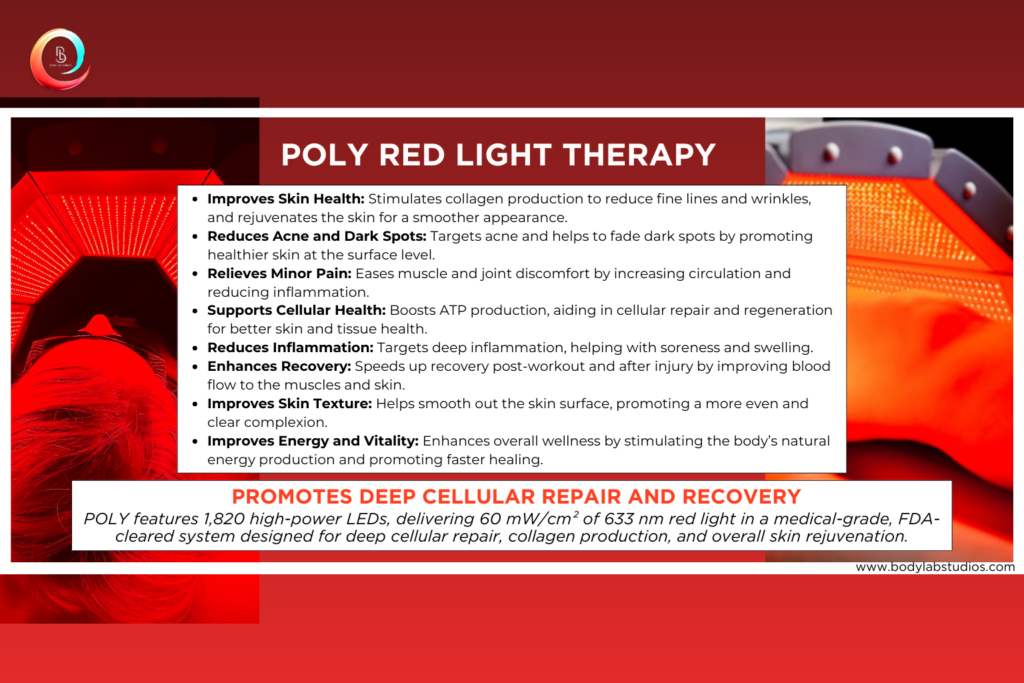
Chronic, low-grade inflammation is one of the fastest ways to age your skin. It accelerates collagen breakdown, impairs your skin barrier, and can worsen redness, sensitivity, and acne. Red light therapy helps by moderating inflammatory pathways and promoting an environment in which healing can actually keep up with daily damage.
Mechanistic work on photobiomodulation has shown that red light in the 600 to 810 nm range is absorbed by mitochondrial enzymes and can lead to increased ATP, altered reactive oxygen species signaling, and downstream modulation of inflammatory mediators. This can translate into reduced expression of pro-inflammatory cytokines and better tissue repair capacity.
Clinical and preclinical evidence suggests that LED-based photobiomodulation can be helpful in conditions where inflammation and barrier disruption are central. A systematic review and meta-analysis of LED therapies for dermatologic conditions found that LEDs were effective in multiple indications, including skin rejuvenation, acne, psoriasis, and post-procedural erythema, with statistically significant improvements and generally acceptable safety. The review concluded that LED therapies are useful in dermatology and represent promising options for cosmetic and medical skin applications.
In the context of acne and redness, calming inflammation means less visible swelling, less discomfort, and a more even skin tone. By improving microcirculation and supporting vascular function, red light can help flush away inflammatory byproducts while bringing in oxygen and nutrients that your skin needs for repair. Over time, many clients notice that breakouts resolve faster, residual redness fades more quickly, and the overall complexion looks calmer and clearer.
Visible Changes and Benefits of Red Light Therapy
For Myrtle Beach clients who commit to regular POLY Red Light Therapy sessions, the most commonly reported changes in appearance and skin health align with what the research suggests.
Smoother Skin with Fewer Fine Lines and Wrinkles
Clinical trials of red and near-infrared LED facial treatments have documented improvements in wrinkle severity, skin roughness, and overall texture, often becoming noticeable after several weeks of consistent sessions. In controlled trials, expert assessments and instrumental measurements confirmed reductions in wrinkles and increased collagen density after a series of 30 or more sessions, which mirrored patients’ own satisfaction ratings.
In practice, clients often describe their skin as looking more “lifted” or “plumped”, with softening of crow’s feet, smile lines, and forehead lines. Because red light works gradually by supporting your own biology, changes are subtle at first but accumulate over time.
Brighter, More Even Skin Tone
A more even skin tone and reduction in dullness or sallowness are also frequently reported. Improved microcirculation, better mitochondrial function, and healthier collagen networks all contribute to skin that reflects light more evenly.
In controlled clinical contexts where LED therapy has been used after fractional ablative laser, low-level light therapy has been shown to help reduce post-procedural redness faster than standard care alone. For everyday use, this translates to less visible blotchiness and a more uniform, “lit from within” look, especially when combined with consistent, supportive skincare.
Decreased Redness, Irritation, and Acne
Because red light can downregulate inflammatory markers and support barrier repair, many clients with reactive or acne-prone skin find that regular sessions make their skin less angry and more resilient. In the meta-analysis of LED skin therapies, trials in acne vulgaris showed significant improvements in lesion counts and overall appearance with LED treatment compared with controls. While some acne protocols include blue light to directly target bacteria, red light’s anti-inflammatory and healing effects can help reduce the swelling, pain, and residual marks associated with breakouts.
Increased Moisture and Firmness
As collagen and extracellular matrix integrity improve, your skin’s ability to hold on to water and maintain a strong barrier often improves as well. Research on skin aging has shown that age- and photoaging-related reductions in matrix components and hydration contribute to dull, dehydrated skin. Interventions that support matrix health can therefore improve hydration and suppleness.
While these aging studies do not always test red light directly, they help explain why a healthier collagen and matrix environment, supported by therapies like POLY Red Light, can lead to smoother, more hydrated-feeling skin. Clients commonly describe that their skin feels less dry and more supple, even when they are using the same moisturizers as before.
Stacking Services to Enhance Red Light Therapy Benefits
Synergize with Infrared Wellness and Lymphatic Drainage
At Body Lab Studio, we often see the best results when we combine multiple modalities that support circulation, detoxification, and tissue health in complementary ways.
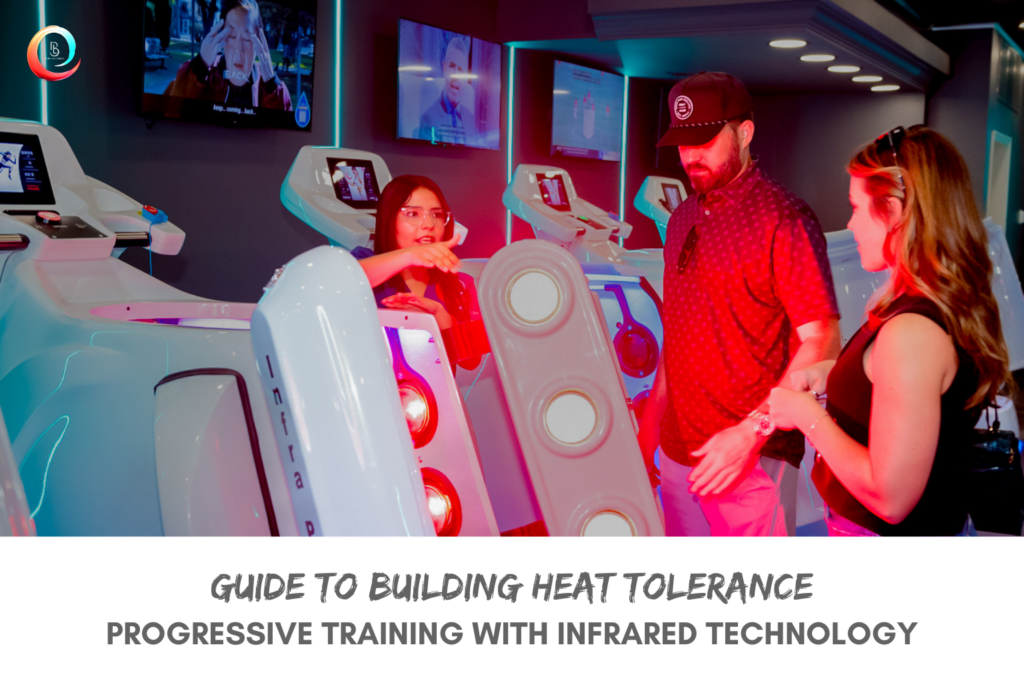
Infrared wellness sessions can enhance circulation and support systemic detoxification and metabolic health, which in turn may support skin renewal. Controlled crossover research in men has shown that far-infrared sauna bathing after strength and endurance training can improve aspects of neuromuscular recovery and reduce perceived fatigue, supporting the broader concept that infrared exposure can positively influence tissue recovery and circulation.
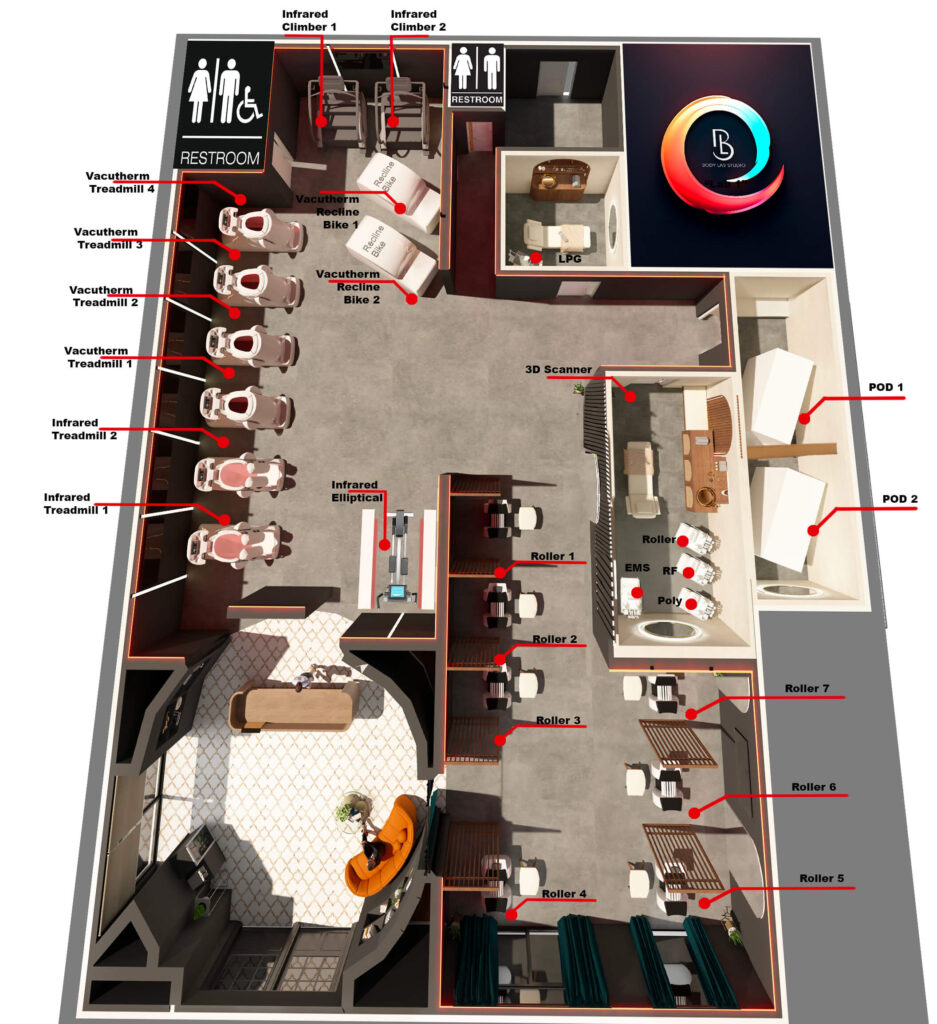
Lymphatic drainage techniques, such as body rollers and LPG Endermologie, focus on encouraging lymph flow, reducing fluid retention, and smoothing the appearance of the skin. While research on specific devices is still evolving, the concept of combining mechanical stimulation with photobiomodulation is supported by the broader literature on multimodal skin therapies. By helping to clear metabolic waste and reduce stagnation in the tissues, lymphatic approaches can complement the cellular and mitochondrial support provided by red light.
EMS and RF sculpting add another layer by targeting muscle tone and deeper tissue tightening. Radiofrequency energy is well known to induce controlled dermal heating, which can stimulate collagen remodeling. Although these are distinct technologies from LEDs, combining them strategically can provide both immediate tightening effects and longer-term remodeling, while POLY Red Light supports healing and reduces post-treatment inflammation.
This integrative, holistic strategy allows us to support your skin health and collagen production from multiple angles at once, rather than relying on any single modality in isolation.
Personalizing Your Red Light Therapy Sessions
How Often Should You Do Red Light Therapy?
Because POLY Red Light Therapy is non-invasive, non-ablative, and non-thermal, it typically requires no downtime and can fit easily into a busy schedule. Most facial photobiomodulation studies that document visible improvements in wrinkles and skin texture use treatment frequencies of two to three times per week over several weeks. For example, combination red and near-infrared LED rejuvenation protocols have followed subjects over about 12 weeks of repeated treatments, achieving progressive improvements over that period.
At Body Lab Studio, we often recommend:
- Initial phase: Many protocols begin with 2 to 3 sessions per week for the first several weeks, allowing skin cells and collagen-producing fibroblasts to receive consistent stimulation during the early response period.
- Ongoing phase: After this initial series, some clients transition to about 1 session per week to help support continued skin remodeling and maintain results over time.
Because red light therapy works through gradual, cumulative biological responses, consistency is generally more important than high intensity or infrequent use. Regular, moderate sessions tend to align best with the way the skin adapts and responds.
Frequently Asked Questions About Red Light Therapy
1. Is Red Light Therapy Safe for All Skin Types?
Yes. Photobiomodulation (PBM) with LEDs has a strong safety record when used within recommended guidelines. Clinical reviews of PBM in sensitive tissues (such as the oral mucosa)show that adverse effects are rare and mild, typically limited to temporary numbness or localized discomfort that resolves within 24 hours. No delayed adverse events have been reported in reviewed literature.
Systematic reviews and meta-analyses across various dermatologic uses confirm that LED therapies are safe, non-ionizing, and non-ablative, meaning they do not damage DNA or vaporize tissue. This makes red light therapy suitable even for sensitive, mature, or sun-exposed skin types when performed correctly.
That said, some individuals should take extra care. If you have a photosensitivity disorder, take photosensitizing medications, or have active skin cancers in the treatment area, please consult your healthcare provider before beginning therapy.
At Body Lab Studio, we review your skin type, medical history, and goals to create a protocol that is safe, effective, and fully personalized.
2. When Should I Switch Up My Routine?
Unlike lasers or intense pulsed light (IPL) devices, POLY Red Light Therapy is non-thermal and non-ablative, so there is no recovery time required.
Most clients experience:
- No downtime
- No redness, peeling, or blistering
- No sun avoidance needed beyond standard SPF practices
A typical session feels pleasantly warm and deeply relaxing. When side effects do occur, they are mild and short-lived, such as brief tightness, slight warmth, or minor skin tingling that fades quickly after the session.
3. Do I Need to Time My Skincare Products Around Red Light Therapy?
Absolutely. Some of the most impressive transformations come from combining infrared wellness in Myrtle Beach with red light therapy, EMS-based sculpting, and lymphatic drainage in a coordinated plan. Integrating these tools can help you support circulation, nervous system regulation, tissue recovery, skin health, and contour changes in a more comprehensive and sustainable way than relying on a single treatment.
4. Why Choose Body Lab Studio for Red Light Therapy in Myrtle Beach?
Your skin is a dynamic, intelligent organ – constantly balancing environmental stress, internal health, and your unique genetic blueprint. At Body Lab Studio, we combine advanced, research-driven technologies like POLY Red Light Therapy with a personalized, science-based approach to help your skin thrive.
We stay current with studies on photobiomodulation, mitochondrial health, and collagen remodeling, translating that research into practical, results-driven protocols. Our studio provides a bright, tranquil environment where you can relax, recharge, and visibly renew your skin from within.
Our passionate team believes in education and transparency, walking you through what to expect, what the research supports, and how to combine in-studio treatments and home care for optimal, lasting results.
Try Red Light Therapy with Body Lab Studio in Myrtle Beach
If you are ready to add non-invasive, science-backed support for collagen and skin health to your self-care routine, POLY Red Light Therapy can be a powerful, gentle cornerstone. Whether you are noticing early fine lines, more pronounced sagging, stubborn redness, or dullness that does not seem to respond to products alone, photobiomodulation offers a way to support your skin from the inside out.
You can start by booking a consultation to discuss your goals, current routine, and any other treatments you are considering.
We will help you design a custom plan that may include:
- POLY Red Light Therapy as a core collagen and healing support
- Infrared wellness sessions to enhance circulation and systemic recover
- Lymphatic drainage and sculpting options to smooth, tighten, and detoxify
- EMS and RF sculpting for targeted lifting and contouring
For those who want maximum flexibility and the chance to explore multiple services, our RESET Membership offers access to some of our most popular modalities, making it easier to commit to consistency and allow the benefits of red light therapy and complementary treatments to build over time.
Your skin will always change as you move through life, but with thoughtful, research-informed care, you can support it in aging more gracefully, comfortably, and confidently.
References (APA Style)
Wunsch, A., & Matuschka, K. (2014). A controlled trial to determine the efficacy of red and near-infrared light treatment in patient satisfaction, reduction of fine lines, wrinkles, skin roughness, and intradermal collagen density increase. Photomedicine and Laser Surgery, 32(2), 93–100. Accessible at: https://pmc.ncbi.nlm.nih.gov/articles/PMC3926176/
Goldberg, D. J., Amin, S., Russell, B. A., Phelps, R., Kellett, N., & Reilly, L. A. (2006). Combined 633-nm and 830-nm LED treatment of photoaging skin. Journal of Drugs in Dermatology, 5(8), 748–753. Accessible at: https://pubmed.ncbi.nlm.nih.gov/16989189/
Ngoc, L. T. N., Moon, J. Y., & Lee, Y. C. (2023). Utilization of light-emitting diodes for skin therapy: Systematic review and meta-analysis. Photodermatology, Photoimmunology & Photomedicine, 39(6), 541–553. Accessible at: https://pubmed.ncbi.nlm.nih.gov/36310510/
de Freitas, L. F., & Hamblin, M. R. (2016). Photobiomodulation: Underlying mechanism and clinical applications. Journal of Clinical and Aesthetic Dermatology, 9(6), 14–23. Accessible at: https://pmc.ncbi.nlm.nih.gov/articles/PMC4990361/
Pandeshwar, P., Roa, M. D., Das, R., Shastry, S. P., Kaul, R., & Srinivasreddy, M. B. (2016). Photobiomodulation in oral medicine: A review. Journal of Investigative and Clinical Dentistry, 7(2), 114–126. Accessible at: https://pubmed.ncbi.nlm.nih.gov/25720555/
Mero, A., Tornberg, J., Mäntykoski, M., & Puurtinen, R. (2015). Effects of far-infrared sauna bathing on recovery from strength and endurance training sessions in men. SpringerPlus, 4, 321. Accessible at: https://springerplus.springeropen.com/articles/10.1186/s40064-015-1093-5
Ngoc, L. T. N., Moon, J. Y., & Lee, Y. C. (2024). The application of light emitting diode (LED) in cosmetic dermatology. Archives of Dermatological Research, 316(1), 1–13. Accessible at: https://pubmed.ncbi.nlm.nih.gov/40751922/
U.S. Food and Drug Administration. (2022). Photobiomodulation (PBM) devices – Premarket notification [510(k)] submissions (Draft guidance). Center for Devices and Radiological Health. Accessible at: https://www.fda.gov/media/164417/download