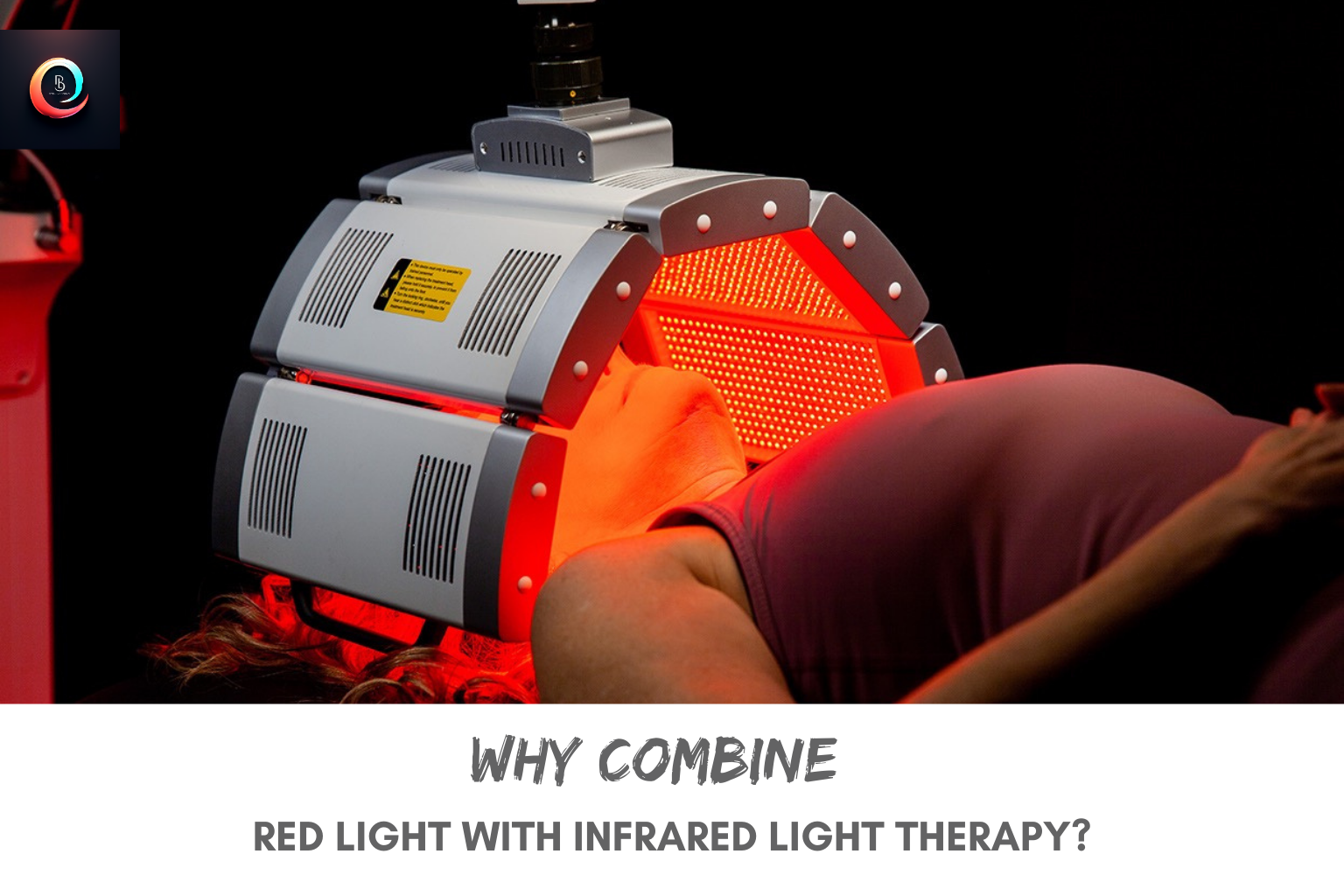
Infrared-induced warming can increase local metabolic activity and tissue responsiveness. When red light is applied to already warmed, well-perfused skin, fibroblasts and other skin cells may be more responsive to photobiomodulation cues.
Studies of red and near infrared exposure have shown increases in intradermal collagen density, improvements in skin texture and elasticity over weeks to months, and upregulation of collagen-related genes and growth factors in basic science models. By using infrared as a priming step, you help create a metabolic and circulatory environment that can amplify those collagen-stimulating and tissue-repairing signals, making it a powerful pairing for visible skin rejuvenation goals.
Why Stop at “Okay” Results? Upgrade with Synergy
I feel a little lighter and more recovered. Maybe your skin is looking a bit better. But if you want and deserve more real body or skin transformation, not just temporary puffiness changes or muscle tightness relief, and you want a consistent wellness boost that helps you feel stronger, more relaxed, and more like yourself, you are going to need more than one so-called wonder therapy.
At Body Lab Studio in Myrtle Beach, many clients find that infrared wellness sessions and POLY red light therapy are two of the most effective and enjoyable ways to support multiple wellness goals in a single visit. While each modality can be beneficial on its own, combining them can feel more comprehensive because they work through different mechanisms. Infrared supports circulation and relaxation through gentle heat, and red light supports cellular function and skin quality through photobiomodulation. Stacking them is not about a miracle promise. It is a smart, science-informed way to layer complementary tools for recovery, glow, and overall well-being over time.
Enter the Power Duo: Red Light Therapy and Infrared Wellness Therapy
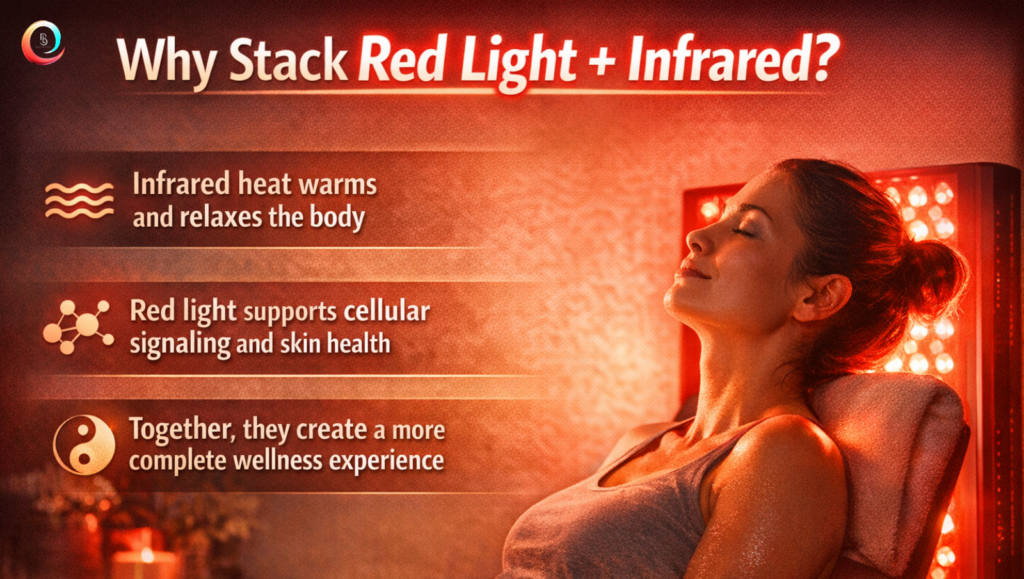
When red light therapy and infrared heat are combined as part of a consistent, structured routine, the goal goes beyond a single relaxation session. Instead of chasing short-lived effects, this approach focuses on cumulative, supportive changes that build gradually with repeated use.
With regular sessions, many people experience:
- Improved relaxation and stress resilience, supported by gentle heat exposure and nervous system calming
- Healthier-looking skin and sustained radiance over time, linked to photobiomodulation’s effects on cellular signaling and collagen-related processes
- Better perceived energy and recovery, particularly after physical activity or high-stress periods
- A lighter, looser feeling in the body, often associated with increased circulation and reduced muscle tension
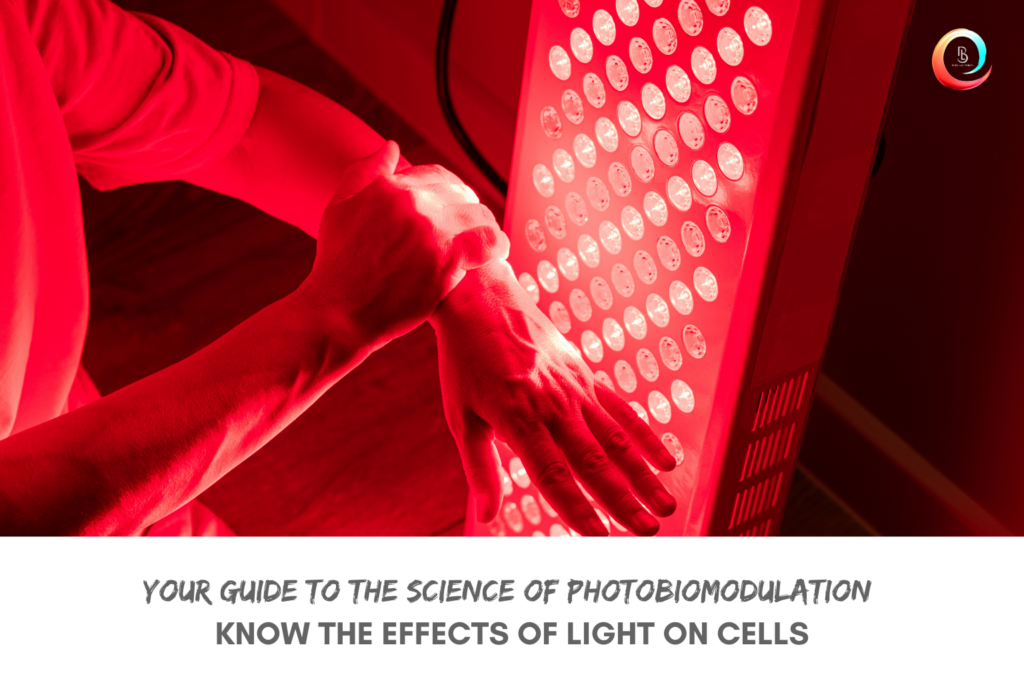
Research in photobiomodulation shows that appropriately dosed red and near-infrared light can influence mitochondrial activity, cellular energy production, blood flow, inflammatory signaling, pain perception, and tissue repair pathways. These mechanisms help explain why many clients report feeling more comfortable, clear-headed, and physically at ease after sessions—especially when red light is paired with infrared heat that supports circulation and relaxation.
Importantly, these therapies are positioned as wellness and recovery support, not medical treatments, and their most meaningful benefits tend to emerge over weeks of consistent use, not from a single visit.
How Red Light Therapy Works
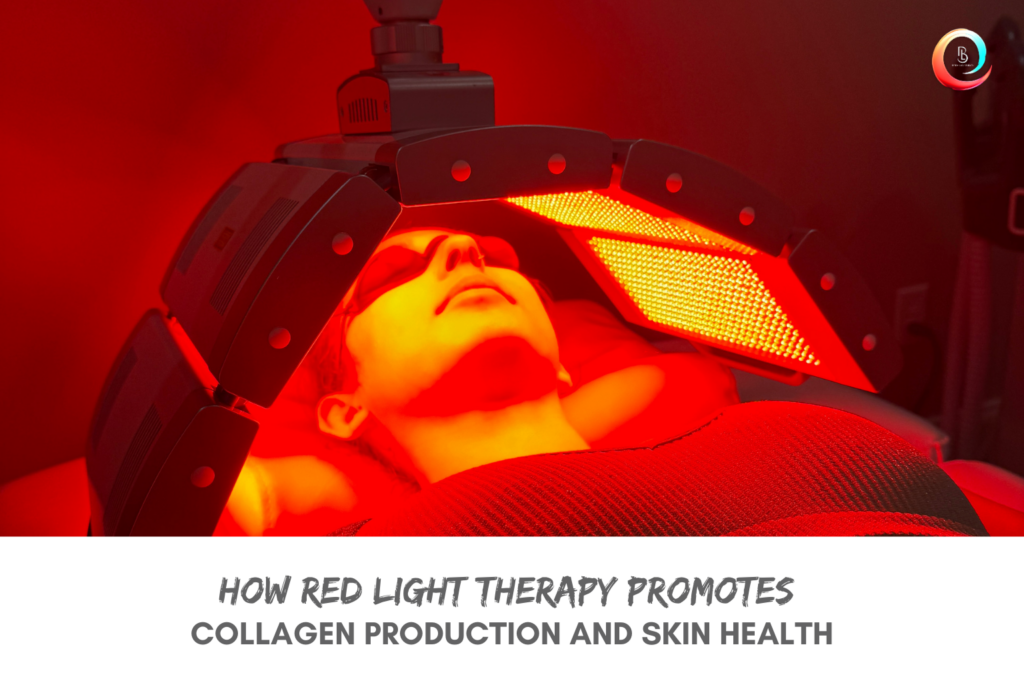
Red light therapy often uses red wavelengths; at Body Lab, POLY is centered around 633 nm red light. These light waves are absorbed by cellular chromophores, particularly within the mitochondria, where they can support cellular energy production. This process is associated with downstream effects such as support for collagen production, tissue repair, and balanced inflammatory signaling when sessions are used consistently and appropriately.
In practice, this can translate into skin that appears firmer and more youthful, slower visible signs of aging, improvements in skin tone and texture, support for localized pain and tissue healing, and a potential lift in perceived energy and mood. Clinical and mechanistic studies align with many client-reported outcomes in wellness and recovery settings, particularly for skin quality and localized discomfort.
Red Light, Collagen, and Skin Quality
One of the best documented uses of red and near infrared photobiomodulation is for skin rejuvenation and dermal repair. Clinical work with combined red and near infrared LED treatment for photoaged skin has shown reductions in fine lines and wrinkles, improvements in skin roughness, and increases in intradermal collagen density, with high patient satisfaction over multiple weeks of treatment.
Across the broader literature, red light has been associated with enhanced fibroblast activity and collagen synthesis, improved wound healing, and reduced inflammatory markers in skin tissue. These findings support the use of red light therapy for clients seeking improvements in texture, tone, and more youthful-looking skin over time, especially when sessions are delivered consistently.
How Infrared Heat Therapy Works
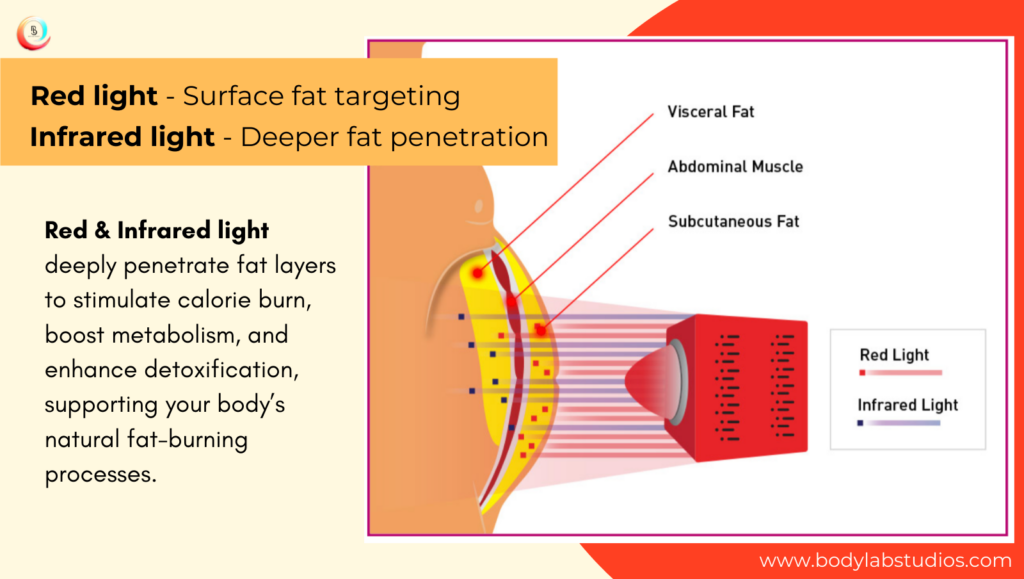
At Body Lab Studio, the term “infrared” is used to describe several distinct wellness applications, each with a different purpose and experience.
- Infrared Wellness Pods use gentle radiant heat to support relaxation, promote sweating, and encourage circulation in a calm, low-impact setting.
- POLY Red Light Therapy is a separate modality that uses LED-based photobiomodulation in the red light spectrum to support cellular signaling and skin-level processes associated with recovery and visible skin quality.
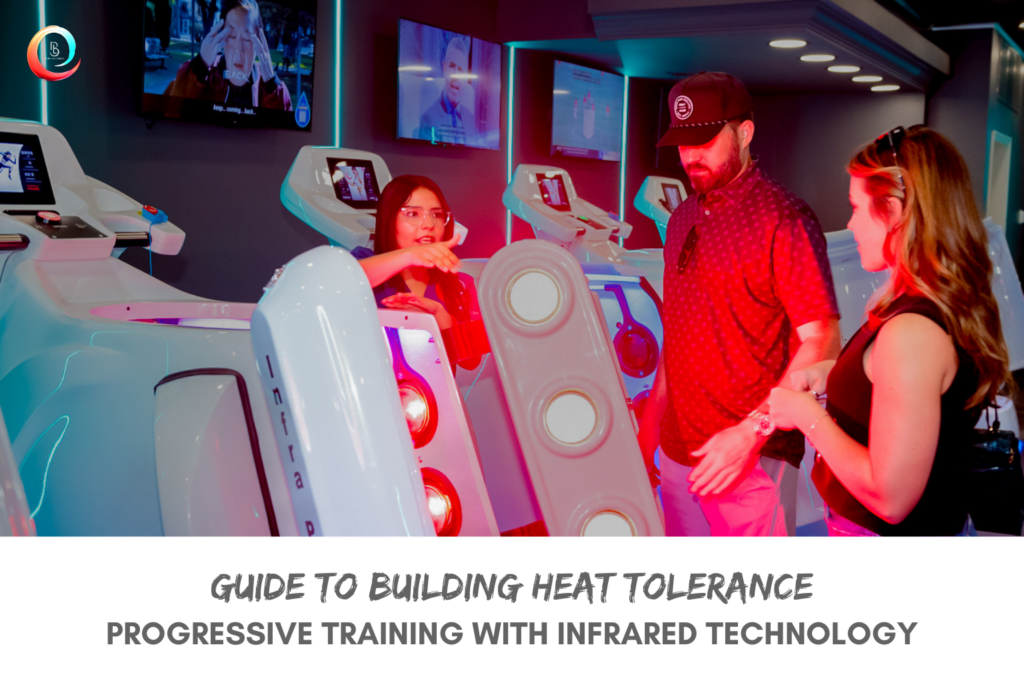
- Infrared Fitness Equipment incorporates infrared heat into guided, low-impact cardio and movement sessions to improve comfort, warm tissues during activity, and support more efficient movement.
Infrared, Circulation, Recovery, and Detox Support
Near and far infrared sauna-type modalities have been studied for their effects on post-exercise recovery, neuromuscular performance, and perceptions of muscle soreness. Some research suggests that an infrared session after resistance exercise can improve aspects of neuromuscular recovery and reduce soreness compared with passive rest, likely through a combination of increased blood flow, improved oxygen delivery, and enhanced clearance of metabolic byproducts.
Observational research on regular heat exposure, such as traditional sauna bathing, has found associations with improved vascular function and long-term cardiovascular health. These findings do not prove that infrared wellness pods prevent disease, but they help explain why gentle, repeated heat exposure is often used as a supportive lifestyle practice rather than a medical treatment.
Why Combining Red Light and Infrared Matters
Targeting Both Cellular Function and Whole-Body Circulation
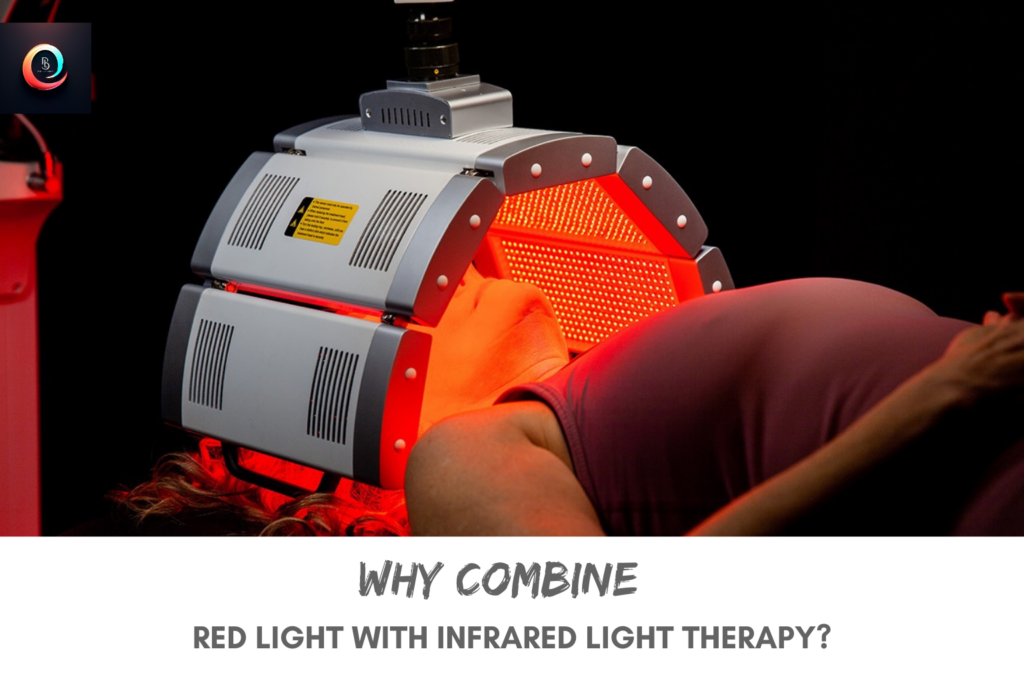
Stacking red light therapy with an infrared heat session can support both cellular-level recovery and whole-body relaxation/circulation in the same visit. Red light (photobiomodulation) is used to support mitochondrial activity and cellular energy processes, and it may help promote healthier-looking skin over time by supporting collagen and normal tissue-repair signalling in surface and near-surface tissues. Infrared heat helps warm the body, encourages sweating, and promotes a comfortable sense of loosening and relaxation that many people associate with improved circulation.
Enhanced Circulation and Delivery of Photons
When you begin a session with an infrared wellness pod, blood flow increases and vessels dilate throughout the body. This prepares tissues for more effective delivery of oxygen and nutrients and may also help red light reach and influence target cells more effectively in a subsequent treatment.
While most clinical trials examine individual modalities in isolation, mechanistic work in photobiomodulation suggests that tissues with better perfusion and oxygenation can show more favorable responses to light-based interventions. In simple terms, infrared opens the circulatory and lymphatic highways, and red light then acts more directly at the cellular level along those better supplied pathways.
Amplified Collagen Production and Tissue Repair
Infrared-induced warming can increase local metabolic activity and tissue responsiveness. When red light is applied to already warmed, well-perfused skin, fibroblasts and other skin cells may be more responsive to photobiomodulation cues.
Studies of red and near infrared exposure have shown increases in intradermal collagen density, improvements in skin texture and elasticity over weeks to months, and upregulation of collagen-related genes and growth factors in basic science models. By using infrared as a priming step, you help create a metabolic and circulatory environment that can amplify those collagen-stimulating and tissue-repairing signals, making it a powerful pairing for visible skin rejuvenation goals.
Supercharged Support for Inflammation and Recovery
Both red light and infrared therapies have been implicated in the modulation of inflammatory markers and pain. Photobiomodulation research describes reductions in pro-inflammatory cytokines, improvements in pain scores, and enhanced quality-of-life metrics in certain chronic pain and musculoskeletal conditions when appropriate wavelengths and doses are used.
Infrared sauna-based approaches have been explored for cardiovascular health, exercise recovery, and chronic pain, with some studies showing improved functional capacity and reduced symptoms over time. When combined, clients may experience a more comprehensive inflammation and recovery-support effect, with infrared assisting global circulation, muscle and joint comfort, and sweating, and red light focusing more directly on cellular repair and mitochondrial function in targeted regions.
Holistic Detoxification and Lymphatic Support
The concept of detoxification in wellness spaces can sometimes be overstated, but, some research has shown that small amounts of certain metals and environmental compounds can be detected in sweat. This does not mean infrared therapy “detoxifies” the body or replaces medical detox pathways, but it helps explain why many people associate sauna-style sweating with a subjective sense of cleansing and renewal.
Infrared heat supports lymphatic circulation and fluid movement, while red light has been associated with reduced oxidative stress and improved mitochondrial resilience, which can help cells better handle the byproducts of metabolic and inflammatory stress. Stacking these therapies, especially when followed by hydration and, optionally, mechanical lymphatic support, provides a more holistic and physiologically grounded approach to supporting the body’s natural elimination and repair systems.
Who Benefits Most from Stacking Red Light and Infrared
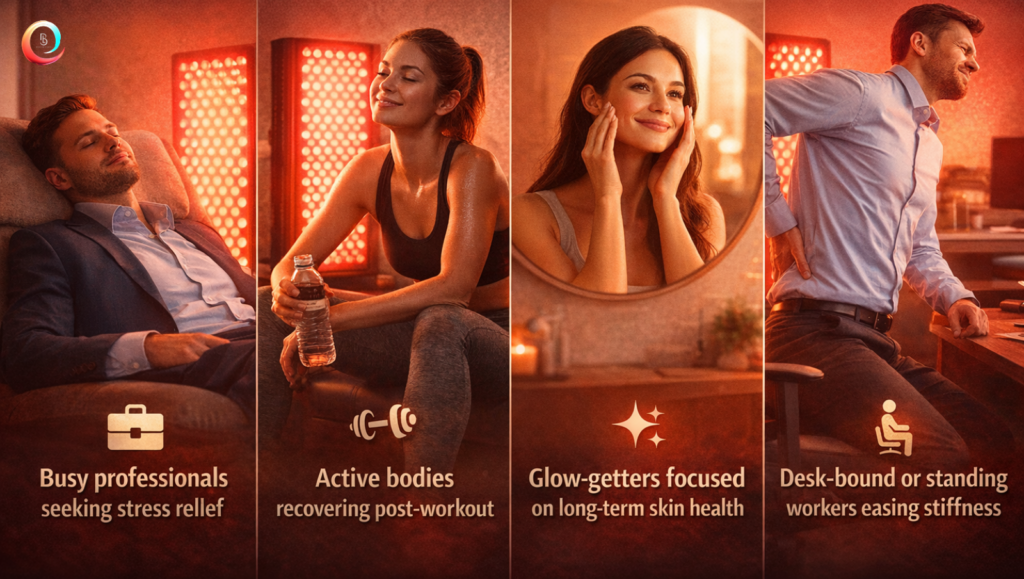
Clients who are active, busy, or under regular physical or emotional stress often stand to gain the most from a synergistic protocol. This includes professionals who feel they do not have time to take care of themselves but want efficient sessions that check multiple boxes at once, people with several wellness or aesthetic priorities at the same time, athletes or recreational exercisers who need deeper-reaching recovery, and clients who have tried single-modality approaches or home devices without the level of change they hoped for.
Stacking is a strong option for anyone looking for a more comprehensive, customized, and evidence-informed strategy instead of piecing together isolated treatments.
Body Lab Studio’s Synergistic, Science-First Approach
At Body Lab Studio, the goal is transformation, not just a one-off treatment. That means moving beyond a one-size-fits-all model and building a layered system based on your needs, goals, and health history. Infrared and red light therapy recommendations are tailored to your recovery demands, skin concerns, stress levels, and schedule. Where appropriate, these are integrated with supporting modalities like LPG Endermologie, EMS sculpting and contouring, body rollers, and movement coaching and exercise.
Body Lab Studio uses professionally developed, clinically tested wellness technology, including FDA-cleared devices where applicable, such as the POLY red light system. All equipment is selected and operated with a safety-first, consult-informed approach, consistent with non-medical wellness and recovery services rather than diagnostic or therapeutic care.
Sample Synergy Routine: Layering Modalities for Best Results
Step 1: Infrared Wellness Pod (30 to 40 minutes)
Begin with an infrared wellness pod session of approximately 30 to 40 minutes. This step provides a deep circulatory boost, supports gentle whole-body warming, and primes tissues for later light exposure. Many people notice they feel looser, more relaxed, and lighter afterward, with a comfortable sweat that supports lymphatic and circulatory function.
Step 2: POLY Red Light Therapy (15 to 20 minutes)
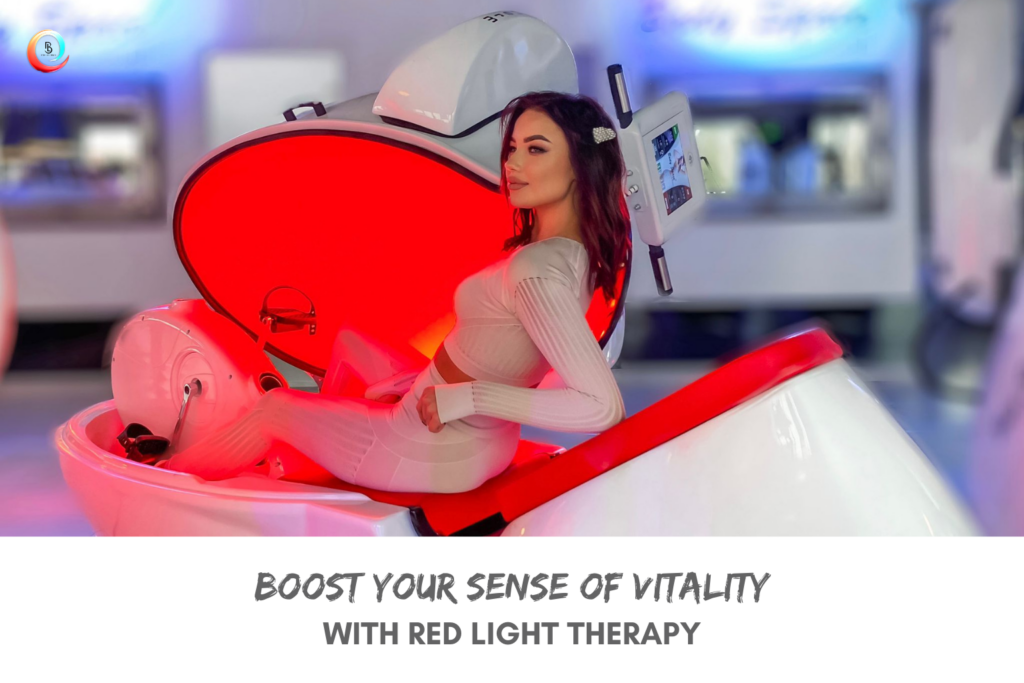
Follow with a targeted POLY red light therapy session lasting about 15 to 20 minutes. At this point, your system is already warmed and perfused, so red light can focus on collagen stimulation, skin repair, and mitochondrial energy support. Over time and with consistent use, this combination can promote firmer, more radiant skin, more balanced tone, and better perceived energy and mood.
Step 3 (Optional): Lymphatic Drainage
An optional third step may include lymphatic-supportive body treatments, such as mechanical body rollers or other non-invasive modalities, with session length and intensity guided by staff recommendation rather than a preset time.
These treatments are intended to:
- Encourage gentle lymph fluid movement
- Support circulation in superficial tissues
- Help promote a temporary reduction in fluid-related puffiness or feelings of heaviness
When combined with proper hydration and light movement afterward, this step can enhance the post-session feeling of lightness and comfort, particularly for clients who experience water retention or spend long periods sitting or standing.
Step 4: Hydrate and Rest
After your sessions, hydration and a brief period of rest are key. Drinking water or an electrolyte-balanced beverage supports fluid balance, circulatory volume, and sweat replacement, while resting for a short period gives your nervous system time to integrate the shifts in temperature, circulation, and cellular signaling that have occurred. Many people find that this end-of-session pause deepens their sense of calm and enhances the afterglow effect in both body and skin.
Building Cumulative Results
While some people notice changes in energy, relaxation, and skin appearance after just one session, the most dramatic effects from infrared and red light therapy tend to be cumulative. Many clients begin with one to three sessions per week, depending on their goals, heat tolerance, recovery needs, and schedule. Frequency is typically adjusted over time based on individual response rather than following a fixed prescription.
Some benefits, such as relaxation, warmth, sweating, and temporary de-bloating, may be noticed after a single session. More noticeable changes in skin texture, recovery, or overall resilience typically develop over several weeks with consistent use. As with all wellness services, results vary based on individual physiology, lifestyle, and frequency of sessions.
Over several weeks and months, this consistency allows structural changes like collagen remodeling, along with functional benefits such as improved stress resilience and faster post-exercise recovery, to become more apparent and stable.
Body Lab Studio Is
- Focused on education first care with a calm, confident approach
- Rooted in non invasive, modern technology that is selected and combined for synergy
- Dedicated to real transformation, proven methods, and tangible results for modern professionals, parents, and busy clients in Myrtle Beach
FAQs for Infrared Clients in Myrtle Beach
1. Is Stacking Safe?
For many generally healthy adults, combining infrared wellness sessions and red light therapy is well tolerated when used within appropriate time and intensity ranges. Individuals who are pregnant, have uncontrolled blood pressure or cardiac conditions, active cancer or ongoing cancer treatment, epilepsy, heat or light sensitivity, recent cosmetic procedures, open wounds, or medications that increase photosensitivity should consult a qualified healthcare professional before starting.
2. Can I Use Both in the Same Visit?
Yes. The infrared wellness pod and POLY Red Light Therapy are designed to be complementary and conveniently integrated into a single visit.
Many clients enjoy beginning with a gentle infrared session, which helps the body relax, enhances circulation, and warms the muscles. This often makes the subsequent red light therapy experience feel more soothing and effective.
Using both modalities in the same appointment also simplifies scheduling while delivering the benefits of multiple recovery and rejuvenation mechanisms in one session.
3. How Long Until I See or Feel Results?
Most clients start noticing benefits within the first few sessions, including:
- A greater sense of relaxation and ease
- Reduced muscle tightness and improved recovery
- A visible glow or boost in skin radiance from increased circulation
More pronounced improvements (such as smoother skin texture, fewer fine lines, and enhanced stress resilience)typically appear after a few weeks of consistent use.
Both photobiomodulation and infrared-based recovery show their strongest effects with regular, cumulative sessions, not one-time treatments.
4. Do I Need to Try Both?
You don’t have to start with both, but beginning with infrared therapy is often recommended.
The infrared wellness pod helps to warm the body, improve blood flow, and stimulate lymphatic movement, creating a more receptive foundation for red light therapy in future sessions.
Many clients start with infrared alone and add red light therapy later for more targeted skin and cellular benefits once they are comfortable with the routine.
Invest in Transformation, Not Just a Treatment
Feeling better, recovering faster, and experiencing that deeper sense of glow is not an accident. It comes from combining the right tools with informed guidance and consistency. At Body Lab Studio, you gain access to high quality light and heat technology plus advanced recovery and wellness services, all delivered with evidence-based insight, practical experience, and clear education so you understand what you are doing and why it works. Whether you are curious about your first infrared and red light session, ready to schedule a consultation, or interested in a RESET Membership for sustained personal wellness and recovery in Myrtle Beach, the focus is on building a tailored, synergistic plan that supports real, long-term change instead of just a quick fix.
Avci, P., Gupta, A., Sadasivam, M., Vecchio, D., Pam, Z., Pam, N., et al. (2013). Low-level laser (light) therapy (LLLT) in skin: Stimulating, healing, restoring. Seminars in Cutaneous Medicine and Surgery, 32(1), 41–52. This narrative and mechanistic review summarizes human and preclinical data showing that red and near infrared light can enhance collagen synthesis, accelerate wound healing, reduce inflammation, and improve skin appearance through mitochondrial and cellular signaling pathways, supporting the use of red light therapy for skin rejuvenation and repair. https://pubmed.ncbi.nlm.nih.gov/24049929
Goldberg, D. J., Amin, S., Russell, B. A., Phelps, R, Kellett, N., & Burke, T. (2006). Combined 633-nm and 830-nm LED treatment of photoaged skin. Journal of Drugs in Dermatology, 5(8), 748–753. In this prospective clinical study, 36 subjects with photoaged facial skin received combined red (633 nm) and near infrared (830 nm) LED treatments twice weekly for 4 weeks; blinded evaluators and patients reported significant improvements in photoaging scores, skin roughness, and overall appearance, indicating synergistic skin rejuvenation effects of stacked red and near infrared light. https://pubmed.ncbi.nlm.nih.gov/16985279
Barolet, D., & Roberge, C. J. (2013). Combination of three wavelengths in the treatment of recalcitrant inflammatory acne vulgaris: A randomized, double-blind, controlled study. Journal of Cosmetic and Laser Therapy, 15(2), 73–78. This split-face randomized controlled trial enrolled 27 participants with inflammatory acne and treated them over 12 weeks with a combination LED protocol using multiple wavelengths, including red and near infrared; the active side showed significantly greater lesion count reduction and clinical improvement than control, supporting multiwavelength, synergistic light-based approaches on inflamed skin. https://pubmed.ncbi.nlm.nih.gov/23330950
Lee, Y. S., Ryu, H. S., & Woo, S. H. (2025). Photobiomodulation for immunomodulation and inflammation control: Evidence from cellular, animal, and clinical research. Medical Lasers, 14(2), 72–87. This comprehensive review of cellular, animal, and human research concludes that red and near infrared photobiomodulation can downregulate pro-inflammatory cytokines, modulate immune cell activity, and improve pain and functional outcomes in several inflammatory conditions, supporting claims that stacked red light and infrared can help reduce inflammation and enhance recovery. https://www.jkslms.or.kr/view.html?uid=381&vmd=Full
Mero, A., Tornberg, J., Mäntykoski, M., & Puurtinen, R. (2015). Effects of far-infrared sauna bathing on recovery from strength and endurance training sessions in men. SpringerPlus, 4, 321. This crossover study included 10 healthy, physically active men who performed either a 60 minute hypertrophic strength training session or a 34 to 40 minute maximal endurance session, followed by 30 minutes of far infrared sauna or a no-sauna condition, with an additional comparison to a traditional Finnish sauna. Far infrared sauna produced slightly better neuromuscular recovery after endurance exercise, as shown by higher countermovement jump height at 30 minutes post-exercise compared with sitting without sauna, suggesting that far infrared heat can support aspects of post-exercise recovery with a light cardiovascular load. https://springerplus.springeropen.com/articles/10.1186/s40064-015-1093-5
Laukkanen, J. A., Kunutsor, S. K., Zaccardi, F., Lee, E., Willeit, P., Khan, H., et al. (2018). Sauna bathing is associated with reduced cardiovascular mortality and improves risk prediction in men and women: A prospective cohort study. BMC Medicine, 16, 219. This prospective cohort study followed 1,688 participants for a median of 15 years and found that frequent sauna bathing was associated with lower cardiovascular and all-cause mortality; while not specific to infrared, it supports the concept that regular passive heat exposure and improved vascular function can translate into meaningful long-term health benefits. https://bmcmedicine.biomedcentral.com/articles/10.1186/s12916-018-1193-5
Salehpour, F., Mahmoudi, J., Kamari, F., Sadigh-Eteghad, S., Rasta, S. H., & Hamblin, M. R. (2018). Brain photobiomodulation therapy: A narrative review. Journal of Cerebral Blood Flow and Metabolism, 38(7), 1126–1142. This narrative review summarizes human and preclinical studies in which red and near infrared light applied transcranially improved mitochondrial function, cerebral blood flow, and markers of neuroinflammation, with reported benefits in cognition, mood, and fatigue, supporting claims about better energy, stress resilience, and overall wellness with consistent photobiomodulation. https://pubmed.ncbi.nlm.nih.gov/29251288
Schindl, A., & Neumann, R. (1999). Low-intensity laser therapy is an effective treatment for recurrent herpes simplex infection: Results from a randomized, double-blind, placebo-controlled study. Journal of Investigative Dermatology, 113(2), 221–223. In this randomized, double-blind, placebo-controlled trial of 50 patients with recurrent herpes simplex followed over several months, low-level red light therapy significantly reduced recurrence frequency and shortened healing time compared with placebo, illustrating clinically relevant tissue repair and local immune-modulating effects of red light on skin. https://pubmed.ncbi.nlm.nih.gov/10469322
Bezerra, L. O., de Macedo, L. E., da Silva, M. L., de Oliveira, J. M., de Morais Gouveia, G. P., de Andrade, P. R., et al. (2023). Effects of photobiomodulation therapy on the functional performance of healthy individuals: A systematic review with meta-analysis. Lasers in Medical Science, 39(1), 17. This systematic review and meta-analysis pooled data from multiple trials in healthy participants and found that photobiomodulation therapy, including red and near infrared wavelengths applied around exercise, can improve aspects of functional performance and recovery, supporting the use of light-based modalities as part of performance and recovery stacks. https://pubmed.ncbi.nlm.nih.gov/38150056