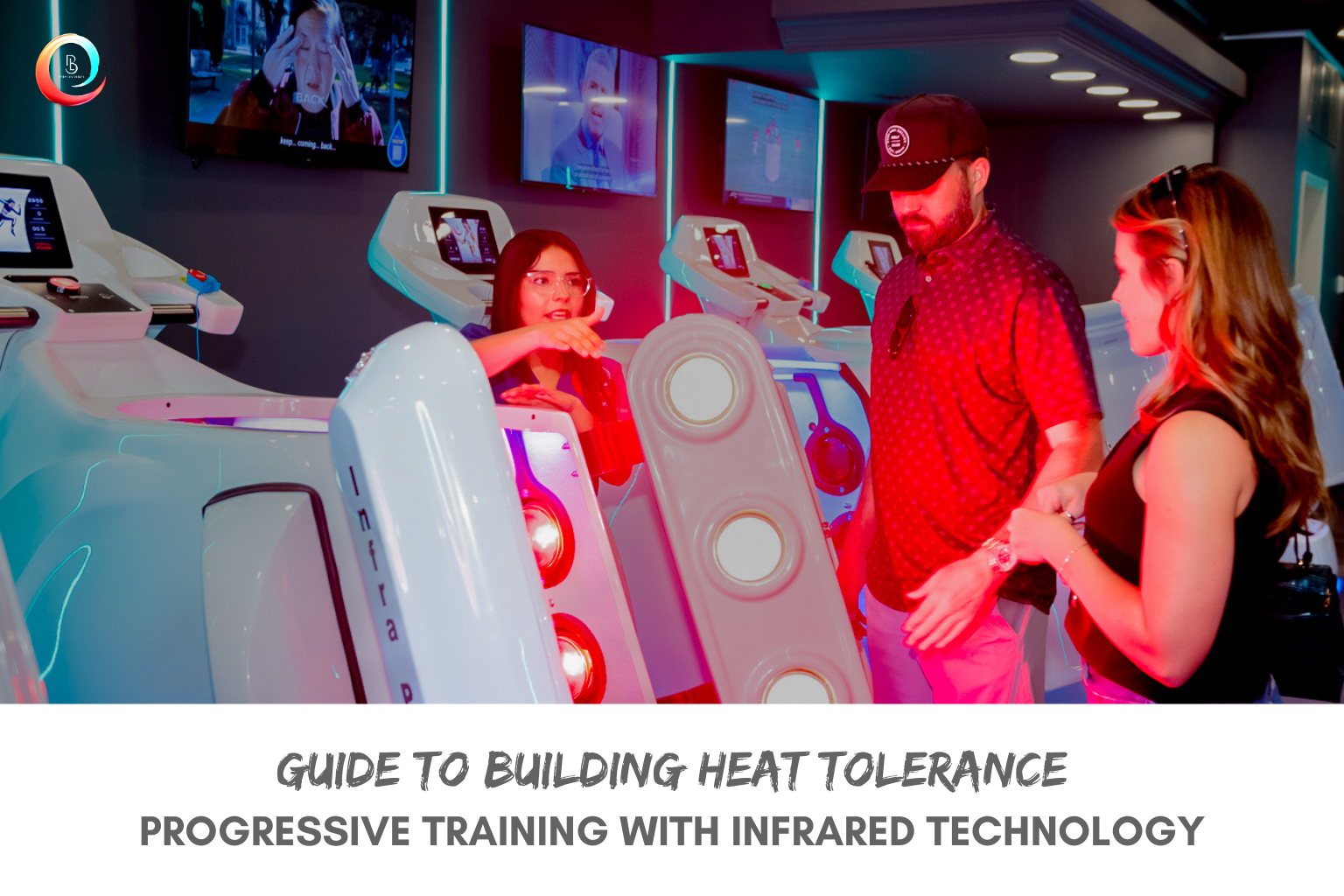
Why Heat Tolerance Matters For Everyone
Athlete, busy professional, Myrtle Beach beach bum, you name it. If you live, work, or play hard, your body’s tolerance for the heat seriously matters. Energy, metabolism, confidence, recovery, and more are impacted. If high temps, big workouts, or even a day of travel leave you wiped or woozy, you’re not alone.
Heat tolerance is as fundamental to sports performance and daily function as structured training itself, because your ability to adapt and regenerate in the face of physical stress is crucial. Research on heat acclimation and passive heat therapies such as sauna and infrared exposure shows improvements in cardiovascular function, plasma volume, thermoregulation, and perceived exertion when people follow progressive, repeated protocols rather than “all at once” shock approaches.
The Science Behind Infrared Heat and Adaptation
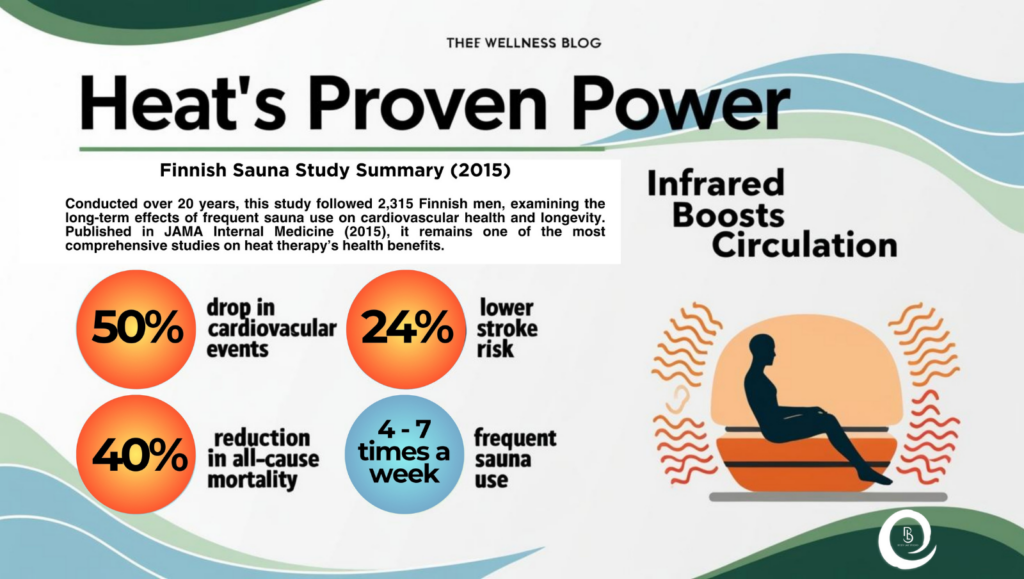
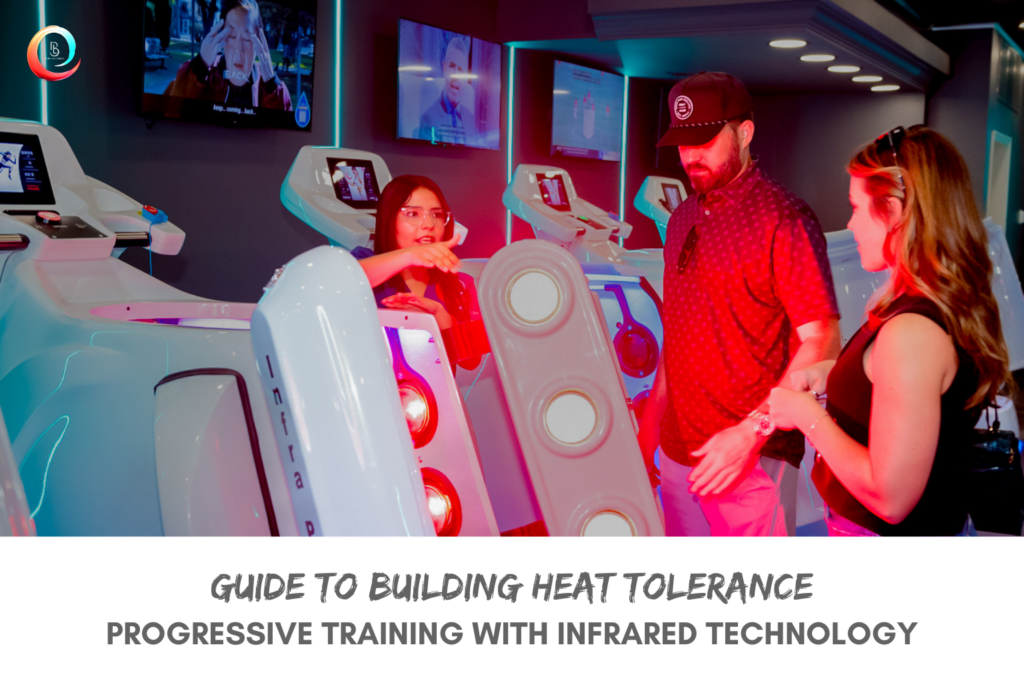
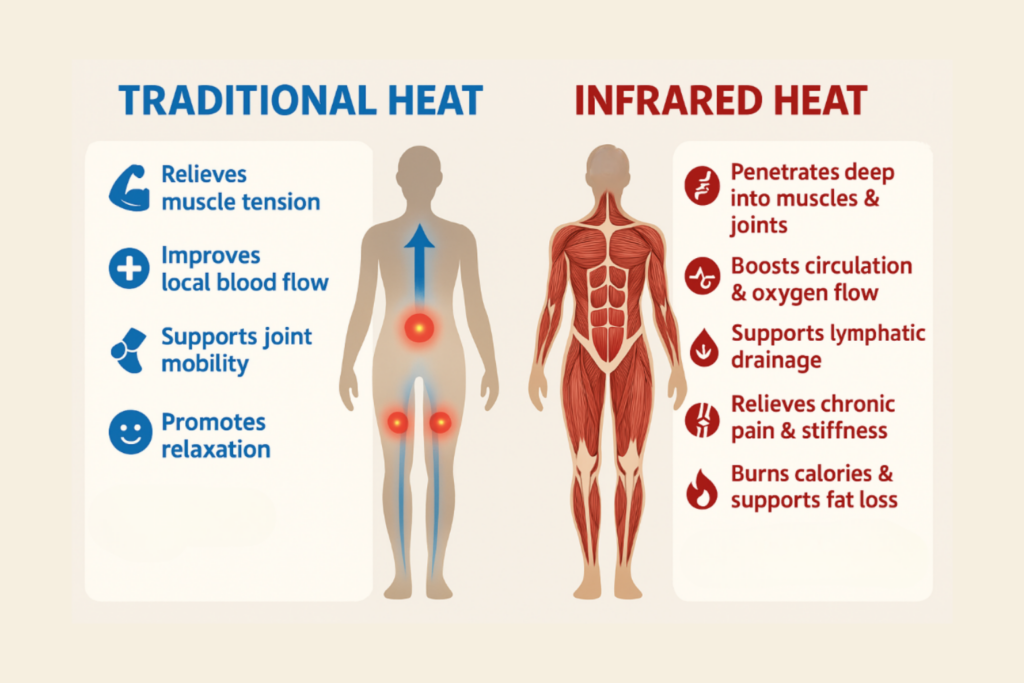
Infrared wellness has a different and generally milder heat delivery than traditional dry saunas or simple space heaters. Infrared delivers heat differently than hot-air saunas and can raise skin and body temperature during a session, depending on settings and individual response.” Stronger evidence appears in sauna literature and some FIR/Waon contexts, often in clinical populations. Avoid implying equivalent outcomes in healthy clients.
As your core temperature rises, your body’s internal regulation naturally kicks in, sparking a cascade of positive changes that look very similar to classical heat acclimation responses seen in athletes and heat-exposed workers. These include:
- Improved endurance and circulation: Repeated heat exposure can increase plasma volume and favorably modulate autonomic function, which helps your heart and blood vessels handle hot environments and physical work with less strain.
- Accelerated metabolic rate and fat oxidation: Passive heat can modestly increase heart rate and energy expenditure; it’s not a substitute for training or nutrition.
- More efficient sweating and cooling: Heat acclimation research shows that progressive exposure leads to earlier onset of sweating, higher sweat rates, and more even distribution of sweat, which improves evaporative cooling and comfort in heat.
- Enhanced lymphatic drainage and detox support: May support circulation and fluid movement; some clients report feeling less puffy, especially with hydration and gentle movement
The key mechanism across these benefits is progression. Starting with lower intensity and shorter duration, then building as your body adapts, allows your systems to adjust without becoming overstressed or overwhelmed.
Key Benefits of Progressive Heat Training at Body Lab Studio
Safer, Personalized Adaptation
At Body Lab Studio, every heat training protocol is customized to your unique fitness level, health status, and sensitivity, ensuring a safe experience. Instead of a “one-size-fits-all” approach, we adjust intensity and duration based on your real-time feedback, heart rate, perceived exertion, and overall stress levels.
Heat tolerance is built gradually, starting with shorter durations and lower doses, increasing over time as your body adapts. This approach reflects the principles used in studies of sauna bathing, waon therapy, and passive heat acclimation, where moderate, repeatable exposures enhance cardiovascular health, thermal comfort, and performance – without leading to excessive fatigue.
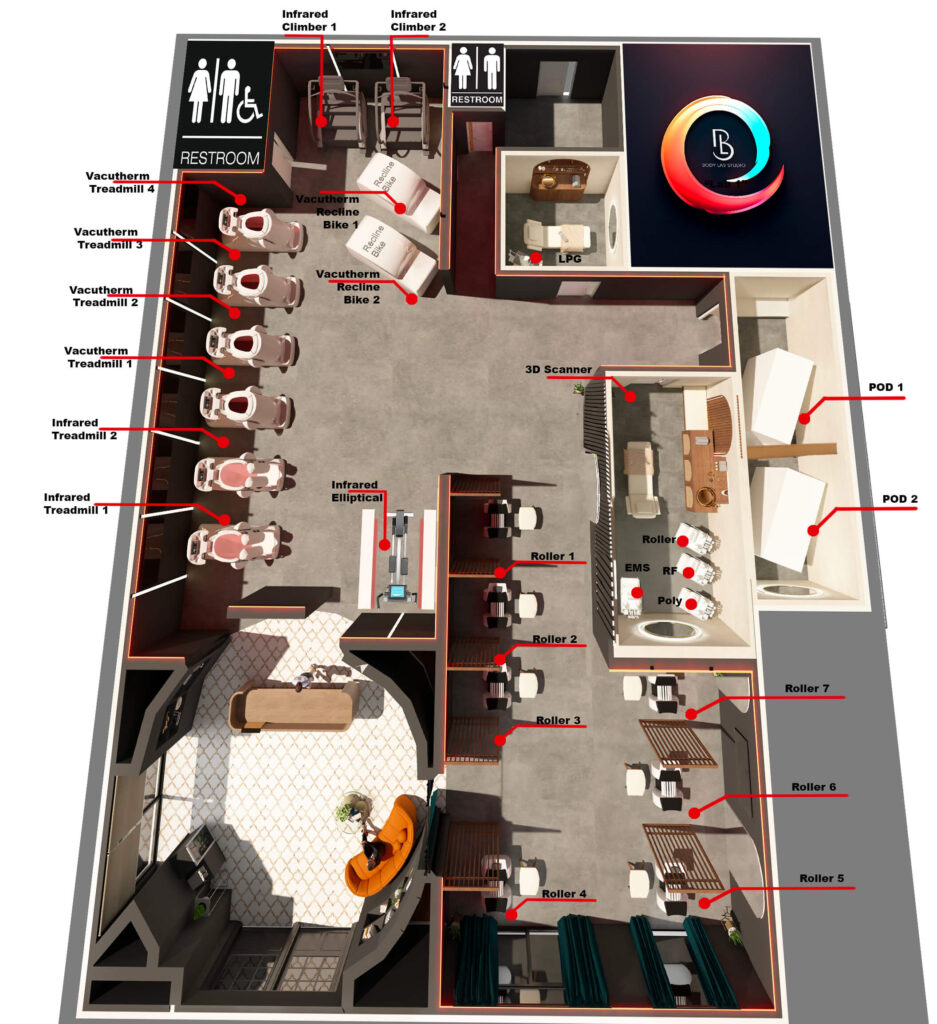
In addition to infrared heat recovery, you can benefit from other treatments like Infrared Wellness Pods and Body Roll Machines, which promote circulation and support overall recovery, complementing your heat training for a more holistic wellness experience.
Amplified Recovery and Reduced Risk
Controlled heat stress in a professionally monitored studio environment trains your body to recover more quickly and effectively, so your overall capacity to handle both physical and mental workload is higher. Some studies suggest infrared sauna use after training may support perceived recovery and certain performance measures in the hours after exercise.
In practical terms, this often means feeling more resilient in hot conditions, on recovery days, and after demanding workouts. When progressive infrared heat is strategically scheduled alongside lymphatic drainage, body rolling, EMS + RF sculpting, and other recovery-focused services across a week or training cycle rather than stacked all at once, it supports a more balanced recovery ecosystem.
Each modality targets a different layer including muscles, connective tissue, circulation, and the nervous system while allowing your body adequate time to adapt and recover. Many clients report reduced post-exercise soreness, steadier energy levels, and improved sleep quality as their overall workload gradually increases, though individual responses vary.
Cognitive and Emotional Resilience
Heat adaptation is not just physical; it also shifts the way your nervous system responds mentally and emotionally to stress. Learning that you can safely stay relaxed and present in a heated environment tends to reduce anxiety and anticipatory stress connected to hot weather, demanding workouts, travel, or busy seasons at work.
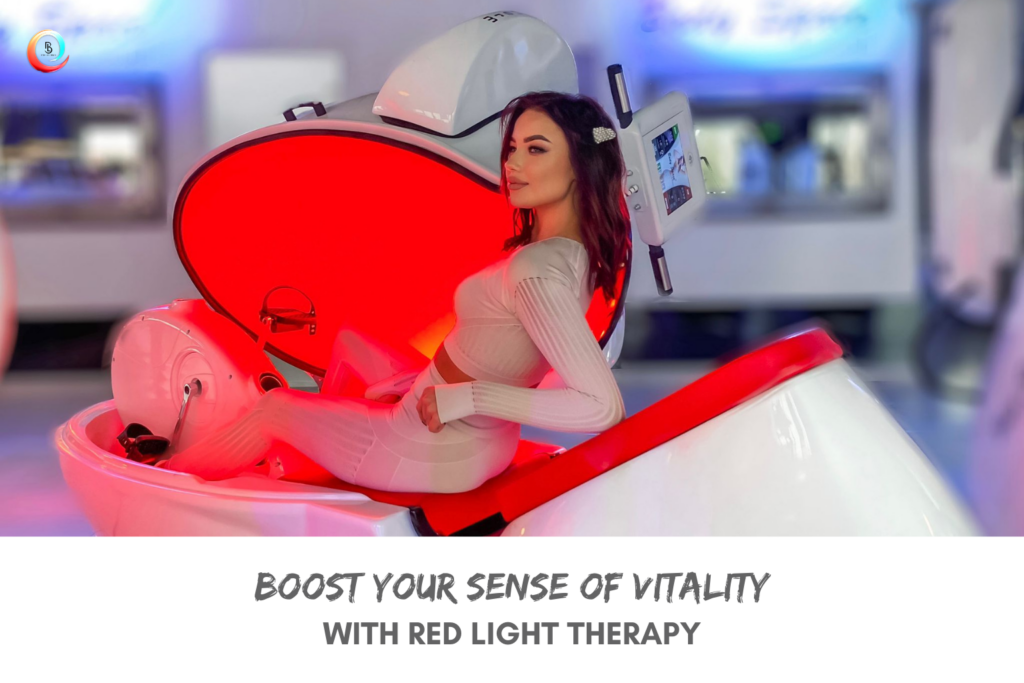
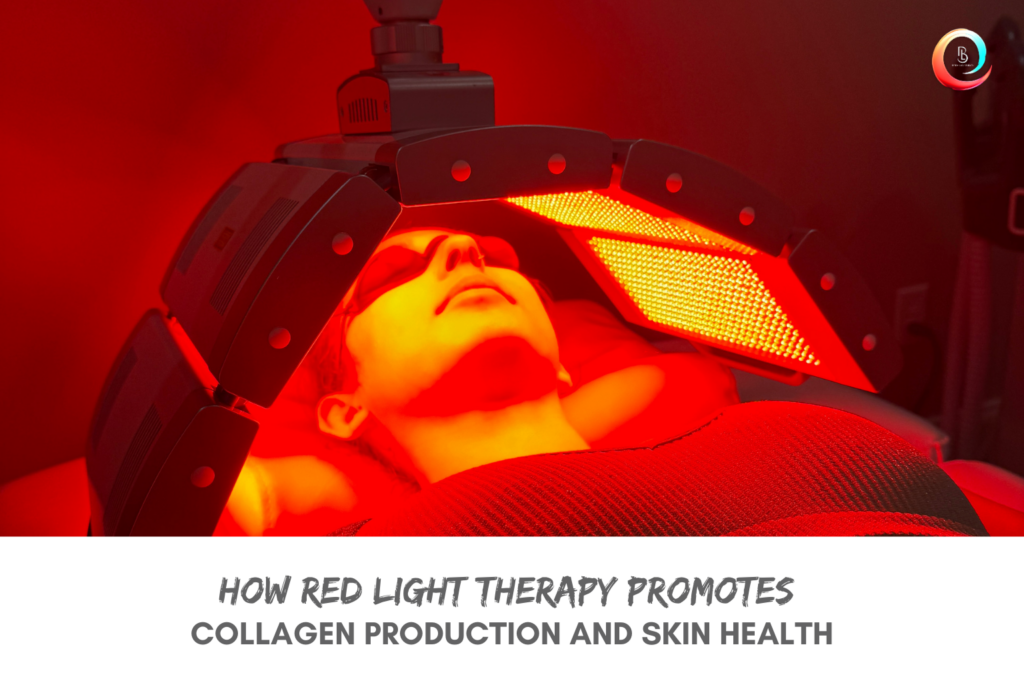
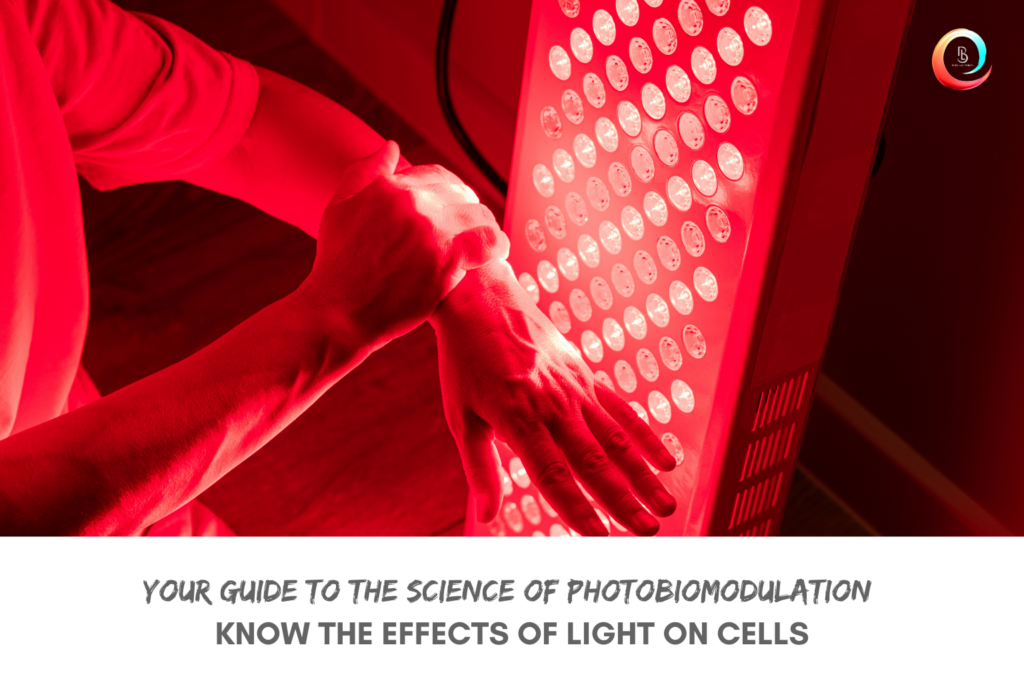
At Body Lab Studio, infrared pods are designed for focused relaxation, while POLY Red Light sessions can support mood and skin health by improving collagen production and skin texture. Research suggests that regular use of red light therapy can promote overall skin rejuvenation, which complements the calming, parasympathetic effects many clients experience after their infrared sessions. Together, these tools support emotional stability, mental clarity, and physical heat tolerance, enhancing overall well-being.
How Progressive Infrared Training Works
Structured Progression
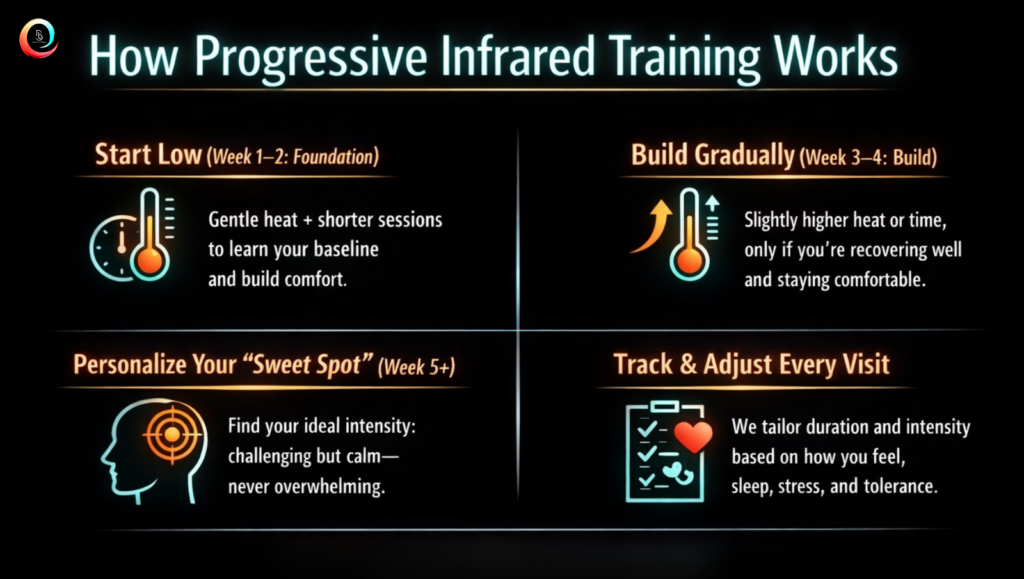
Your plan is built in stages so your body, brain, and nervous system can adapt at a sustainable pace. Rather than jumping straight into long, very hot sessions, you start with gentle exposure and build up strategically.
Week 1–2: Foundation Phase
- Infrared exposure: starting with a 30-minute session, adjusted for comfort, low to moderate warmth that feels soothing rather than intense.
- Additional modalities: Body Rollers to support lymphatic flow and circulation as your system learns to handle mild passive heat.
- Frequency: 2–3 times per week, depending on your schedule and baseline tolerance.
- Primary goals: Introduce your system to controlled heat, improve relaxation, stimulate light circulatory and sweating responses, and identify your personal comfort thresholds without strain.
Weeks 3–4: Build Phase
- Infrared exposure: 20–30 minute moderate sessions at slightly higher intensity, still within a range where you can breathe calmly and feel in control.
- Additional modalities: Add POLY Red Light and light EMS sculpt depending on your goals for body composition, muscle recovery, or skin health.
- Frequency: 2–4 times per week, scaled to how well you are recovering from workouts and life stress.
- Primary goals: Strengthen thermoregulatory responses, support muscle and nervous system recovery after more challenging workouts, and deepen lymphatic and metabolic benefits while monitoring for signs of overreaching.
Weeks 5 and Beyond: Optimization Phase
- Infrared exposure: 5 to 30-minute sessions at your personal “optimal” level of warmth and intensity, always targeted to feel challenging but manageable, not overwhelming.
- Additional modalities: Blend with Endermologie, fitness pods, lymphatic drainage, or other studio services that match your goals for performance, body sculpting, or general wellness.
- Frequency: 3 or more times per week, adjusted to your lifestyle, training schedule, and seasonal needs.
- Primary goals: Maintain and expand your heat tolerance, performance, and recovery capacity while keeping sessions restorative and sustainable over the long term.
Always Guided and Adjusted
Heat tolerance ≠ pushing through dizziness. All sessions are done under staff supervision ensuring your safety and comfort. Your progress is closely monitored through conversation, observation and when appropriate simple measures like heart rate or perceived exertion scores. Intensity can be increased or decreased depending on how you feel that day, how you slept and what else is happening in your life and training. Infrared sessions are woven with active recovery and support protocols throughout your multi-week plan so you adapt without overloading any single system.
Real Results: What Clients Report With Heat Tolerance Training
Clients who consistently incorporate progressive infrared sessions into their routines often report:
- Increased stamina in the heat outdoors, at work, or at the gym.
- Dramatic reduction in feelings of fatigue, heaviness, or dizziness after exercise or long days.
- Quicker, more even sweating and skin cooling during hot or humid weather.
- Enhanced overall confidence and less heat-related anxiety during summer or travel.
- Smoother recovery, sharper focus, and a lighter, more energized feeling both mentally and physically.
These lived experiences align with research findings that repeated, graded heat exposure can improve cardiovascular resilience, perceived exertion, and recovery when paired with proper hydration, nutrition, and rest.
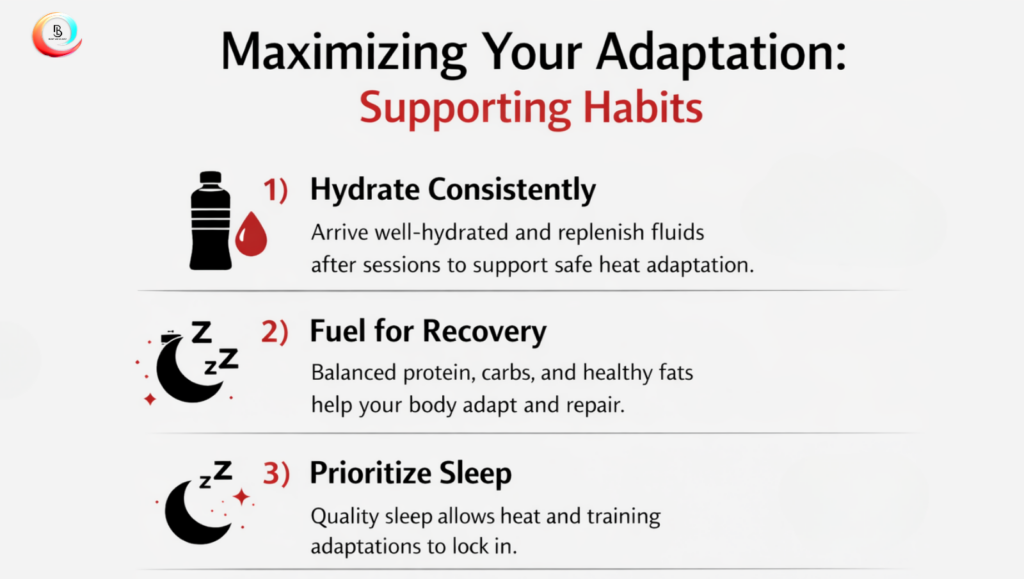
Maximizing Your Adaptation: Supporting Habits
Hydration Strategies
- Drink plenty of water before and after sessions, not just during the day. If you are prone to heavy sweating, consider electrolytes as recommended by your healthcare provider or nutrition professional.
- Aim for consistent daily fluid intake so that your body enters sessions already well hydrated, which supports safe sweating, circulation, and temperature regulation.
Balanced, Supportive Nutrition
- Protect at least one to two lighter or rest days per week, especially in the early weeks, so your body can consolidate gains in heat tolerance and fitness.
- Pay attention to signs like persistent fatigue, irritability, headaches, or sleep disruption as cues to temporarily dial down session intensity or frequency.
Rest, Sleep, and Recovery Days
- Ensure adequate protein intake to support muscle repair, plus complex carbohydrates and healthy fats to fuel training, daily life, and adaptive processes triggered by heat.
- Include micronutrient-rich foods such as leafy greens, berries, citrus fruits, nuts, seeds, and mineral-rich foods to help support vascular function and maintain electrolyte balance.
Cool-Down and Active Recovery Practices
- Use gentle stretching, POLY Red Light, and lymphatic drainage after sessions or workouts to support circulation and help your nervous system shift from “on” to “rest and repair.”
- Simple breathing practices during and after sessions, such as slow nasal breathing or box breathing, can further reduce stress and enhance the mind-body benefits of heat exposure.
Frequently Asked Questions
1. Is infrared heat safe for people with low heat tolerance or sensitivities?
Infrared heat can be safe for individuals with low heat tolerance or sensitivities when introduced gradually and monitored carefully. Unlike high-temperature saunas or intense outdoor activity, infrared training delivers the benefits of heat exposure at milder, more controlled temperatures.
At Body Lab Studio, each session begins at a gentle level and only progresses when your body shows readiness. Our team is always available to adjust or stop a session if you experience any discomfort, ensuring a safe and supportive experience.
2. Can I use infrared heat in combination with other body sculpting or recovery services?
Yes, in fact, combining infrared heat with other treatments can enhance results. Infrared therapy pairs well with:
- Lymphatic drainage
- EMS plus RF sculpting
- Endermologie
- Red light therapy
Together, these approaches support circulation, tissue quality, and nervous system recovery from multiple angles. Your personalized plan can be sequenced so that intensive sculpting or training sessions are followed by recovery-focused work and moderate heat exposure, maximizing benefits without overstressing your system.
3. When will I notice a difference?
Most clients feel more relaxed and notice improvements in recovery and sleep within the first few sessions. More visible changes (such as increased heat tolerance, enhanced workout comfort, and better performance in warm environments) typically appear after 4 to 8 weeks of consistent, guided sessions.
Over several months of regular use, many people experience greater endurance, easier adaptation to hot weather, and a stronger sense of overall resilience.
The Body Lab Studio Advantage: Calm, Science-First, and Client-Led
Progressive heat tolerance protocols at Body Lab Studio are not about simply “sweating it out.” They are about building a skill and a sense of long-term empowerment in how you respond to heat, physical stress, and daily life demands. You are always in charge of how you feel, how long you stay, and how quickly you progress, guided by science-informed protocols in a calm, modern environment with a team that listens closely to your feedback.
Your plan is personalized, your progress is tracked, and your experience is designed to feel restorative, not punishing. Over time, you gain the capacity to meet Myrtle Beach heat, heavy training weeks, travel, and everyday stress with more energy, ease, and confidence.
Ready to Embrace the Myrtle Beach Heat and Beyond?
You do not have to dread hot days, summer workouts, or intense travel schedules. With structured, supervised infrared sessions and complementary recovery services, your body can learn to meet heat with strength instead of struggle.
You can:
- Book a consultation to map out your starting point and goals.
- Try your first infrared session to experience gentle, structured heat exposure.
- Join the RESET Membership for year-round access to Myrtle Beach’s most advanced wellness technology and progressive heat training support.
Your body is built to adapt. With the right environment, structure, and support, you can turn the heat from something you endure into something you are confidently prepared for.
Ahokas, E. K., Ihalainen, J. K., Kyröläinen, H., Mero, A. A., Walker, S., et al. (2023). A post-exercise infrared sauna session improves recovery of neuromuscular performance and muscle soreness after resistance exercise. Biology of Sport, 40(3), 681–689. This randomized crossover study included 10 physically active men over a three-week period. Each participant performed heavy resistance exercise sessions followed by either a single 20 minute infrared sauna session at approximately 40–60°C or passive seated recovery. Infrared sauna use led to faster recovery of maximal isometric force and lower perceived muscle soreness 14 hours later compared with passive recovery, supporting the role of infrared sauna as an effective tool for post-exercise neuromuscular recovery. https://www.termedia.pl/Journal/-78/pdf-47765-10?filename=8_02807_Article.pdf
Mero, A., Tornberg, J., Mäntykoski, M., & Puurtinen, R. (2015). Effects of far-infrared sauna bathing on recovery from strength and endurance training sessions in men. SpringerPlus, 4, 321. This crossover study involved 10 male athletes who completed strength and endurance training sessions on separate days across several experimental visits. After each session, participants recovered either with 30 minutes of far-infrared sauna (35–50°C, 25–35% humidity) followed by seated rest, or with seated rest only. Far-infrared sauna bathing improved subjective relaxation and was associated with at least equal, and in some cases slightly better, countermovement jump performance during recovery from endurance exercise, suggesting that short far-infrared sauna exposures can support neuromuscular recovery without impairing performance. https://springerplus.springeropen.com/articles/10.1186/s40064-015-1093-5
Miyata, M., & Tei, C. (2010). Waon therapy for cardiovascular disease: Innovative therapy for the 21st century. Circulation Journal, 74(4), 617–621. This clinical review summarizes multiple waon therapy trials in patients with cardiovascular disease, including chronic heart failure and peripheral artery disease, typically involving about 20–100 patients per study over two to four weeks. Protocols used far-infrared dry sauna at 60°C for 15 minutes followed by 30 minutes of supine rest, administered about five times per week. Repeated waon therapy improved endothelial function, cardiac output, exercise tolerance, symptoms, autonomic function, and markers of vascular health, indicating that gentle, repeated infrared heat exposure can safely enhance cardiovascular performance and recovery capacity. https://www.jstage.jst.go.jp/article/circj/74/4/74_CJ-09-0939/_pdf
Rocha Conceição, L. S., de Queiroz, J. G., Neto, M. G., et al. (2018). Effect of Waon Therapy in Individuals With Heart Failure: A Systematic Review. Journal of Cardiac Failure, 24(3), 204–206. This systematic review examined four clinical trials with a combined sample of approximately 120 adults with chronic heart failure who received waon therapy three to five times per week for two to four weeks. Most protocols used 15 minute sessions in a 60°C far-infrared sauna followed by 30 minutes of rest, repeated over the study duration. Across trials, waon therapy improved New York Heart Association functional class, six minute walk distance, and vascular function, with no major adverse events reported, supporting mild infrared heat therapy as a safe and beneficial adjunct to standard heart failure care. https://pubmed.ncbi.nlm.nih.gov/29409954/
Pokora, I., Sadowska-Krępa, E., Wolowski, Ł., Wyderka, P., Michnik, A., & Drzazga, Z. (2021). The effect of medium-term sauna-based heat acclimation (MPHA) on thermophysiological and plasma volume responses to exercise performed under temperate conditions in elite cross-country skiers. International Journal of Environmental Research and Public Health, 18(13), 6906. In this intervention study, 14 elite cross-country skiers completed 12 traditional sauna sessions over a three-week transition phase in addition to their training. The medium-term sauna-based heat acclimation protocol induced modest plasma volume expansion and altered thermophysiological responses during standardized exercise in temperate conditions, including changes in heart rate and perceived exertion, suggesting that structured sauna exposure can contribute to elements of heat acclimation even in highly trained athletes. https://www.mdpi.com/1660-4601/18/13/6906
Laukkanen, J. A., Laukkanen, T., Khan, H., Zaccardi, F., Toriola, A. T., & Kunutsor, S. K. (2024). The multifaceted benefits of passive heat therapies for extending the healthspan: A comprehensive review with a focus on Finnish sauna. Temperature, 11(1), 27–51. This comprehensive review integrates data from large Finnish cohort studies involving more than 2,000 middle-aged men followed for over 20 years, along with smaller intervention trials of passive heat therapies. Frequent sauna bathing (four to seven sessions per week) over many years was associated with lower cardiovascular and all-cause mortality, improved autonomic balance, reduced blood pressure, and better cardiorespiratory fitness compared with infrequent sauna use, supporting regular passive heat exposure as a strategy to enhance long-term cardiovascular resilience and healthspan. https://pmc.ncbi.nlm.nih.gov/articles/PMC10989710/
Salehpour, F., Mahmoudi, J., Kamari, F., Sadigh-Eteghad, S., Rasta, S. H., & Hamblin, M. R. (2018). Brain photobiomodulation therapy: A narrative review. Molecular Neurobiology, 55(8), 6601–6636. This narrative review summarizes numerous preclinical and clinical studies using red and near-infrared light on the brain, with human sample sizes typically ranging from about 10 to 60 participants and treatment periods from several sessions to 12 weeks. Across conditions such as depression, dementia, stroke, and traumatic brain injury, repeated brain photobiomodulation improved cognition, mood, and cerebral blood flow, likely through mitochondrial stimulation, nitric oxide signaling, and anti-inflammatory effects, supporting red and near-infrared light as promising tools for cognitive and emotional support alongside physical recovery and heat tolerance work. https://link.springer.com/article/10.1007/s12035-017-0852-4
- Ensure adequate protein intake to support muscle repair, plus complex carbohydrates and healthy fats to fuel training, daily life, and adaptive processes triggered by heat.
- Include micronutrient-rich foods such as leafy greens, berries, citrus fruits, nuts, seeds, and mineral-rich foods to help support vascular function and maintain electrolyte balance.
Heat tolerance ≠ pushing through dizziness. All sessions are done under staff supervision ensuring your safety and comfort. Your progress is closely monitored through conversation, observation and when appropriate simple measures like heart rate or perceived exertion scores. Intensity can be increased or decreased depending on how you feel that day, how you slept and what else is happening in your life and training. Infrared sessions are woven with active recovery and support protocols throughout your multi-week plan so you adapt without overloading any single system.