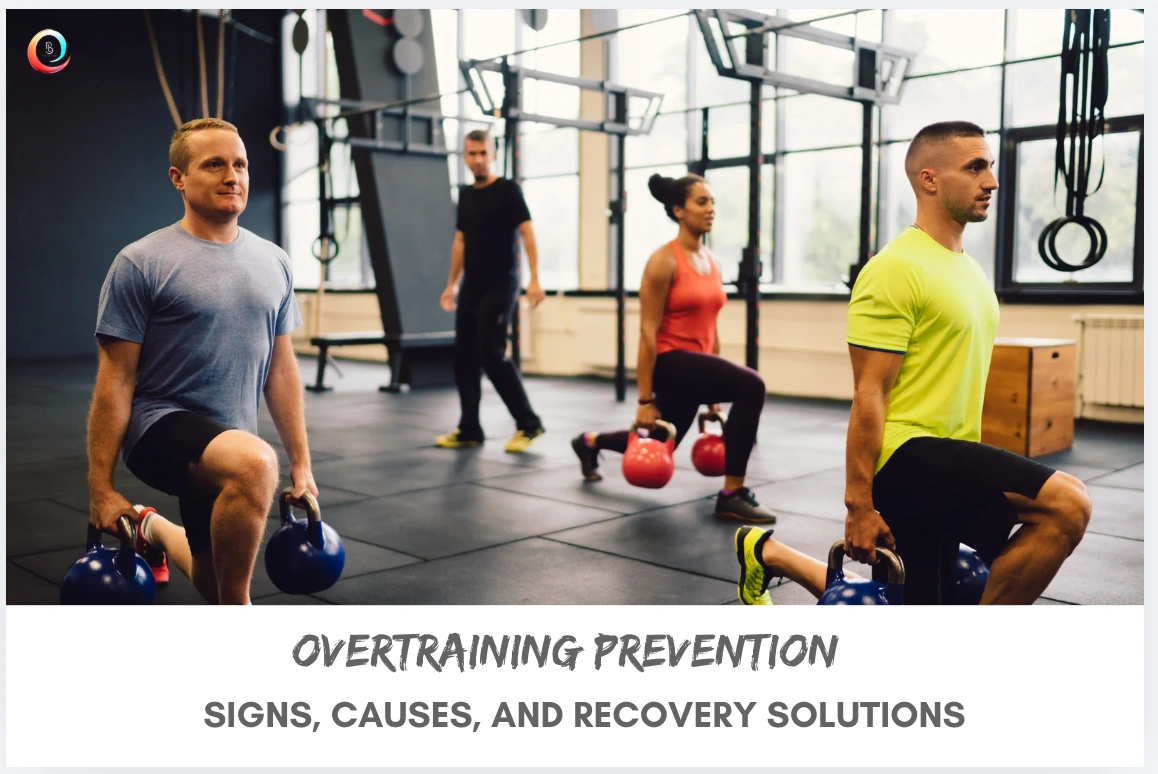
Pushing Hard but Stuck? The Hidden Danger of Overtraining
If you have been working out consistently, managing a demanding career, raising a family, or simply never slowing down, and you find yourself feeling achy, exhausted, or completely stuck in your progress, your body may be sending you an important warning. At Body Lab Studios in Myrtle Beach, we regularly work with members whose dedication quietly tips from productive effort into a state of under-recovery, where the body simply cannot keep pace with the demands being placed on it.
This hidden imbalance can show up as diminished results, persistent low energy, increased injury risk, and a frustrating sense that working harder is no longer working at all. The good news is that catching the warning signs early, balancing effort with intelligent recovery, and using the right tools at the right time can help you get back on track, regardless of your fitness level or daily routine.
What Is Overtraining and What Causes It?
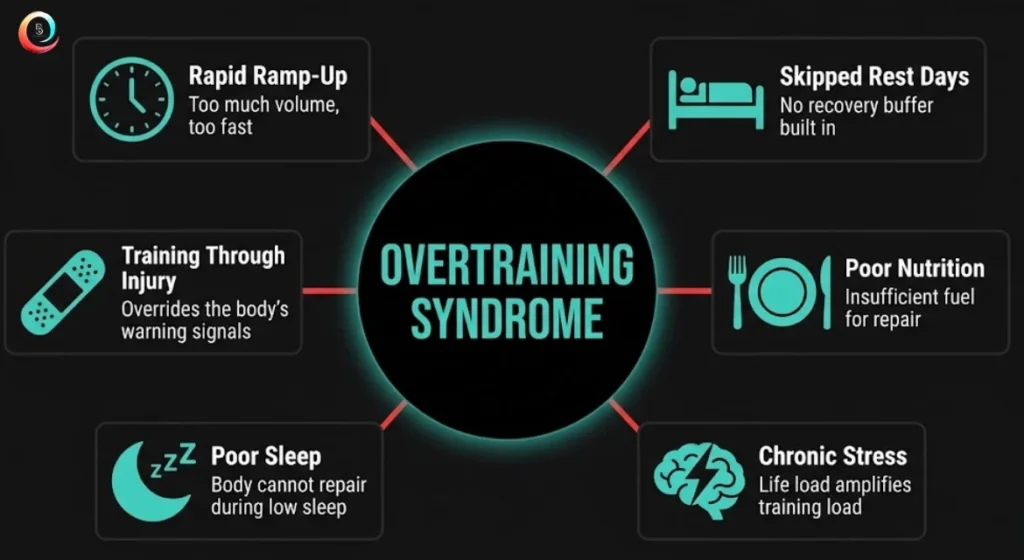
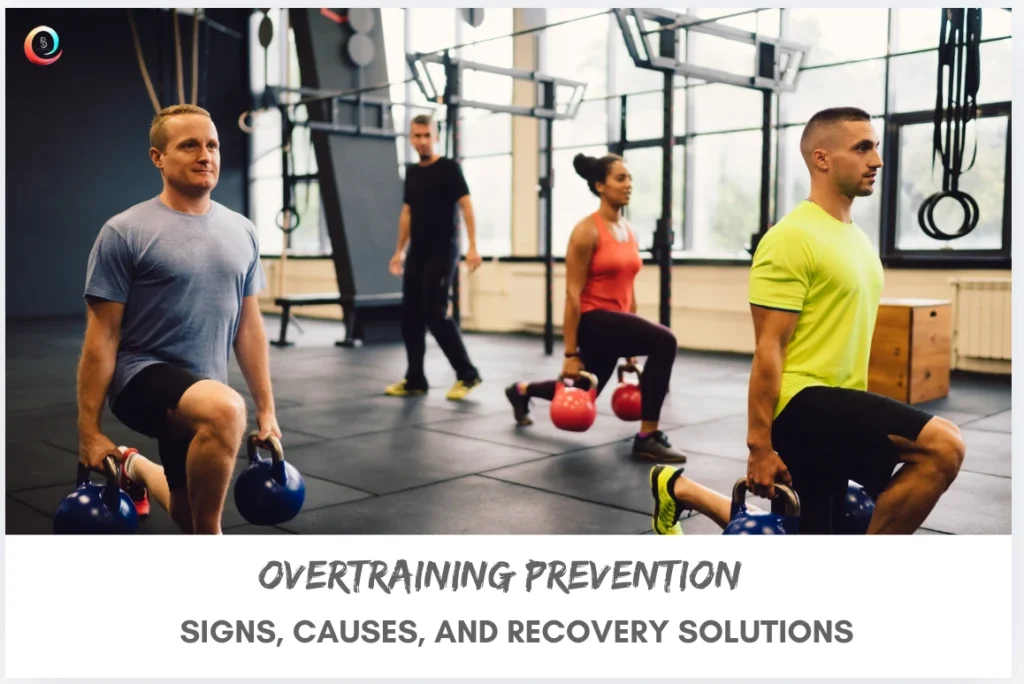
Overtraining syndrome (OTS) occurs when repeated physical training loads exceed the body’s capacity to recover from them, leading to a lasting decline in performance and overall wellbeing. While it is most commonly documented in athletes and highly active individuals engaged in structured training programs, the broader reality of under-recovery, where physical demands consistently outpace rest and repair, can affect anyone who is regularly pushing their body without giving it adequate time to restore itself.
It is worth noting that general life stress, poor sleep, and inadequate nutrition alone do not cause clinical overtraining syndrome, but they do significantly worsen recovery and amplify the effects of physical training loads. If you are already training regularly and adding those stressors on top, the cumulative burden on your body becomes much greater.
Common Triggers:
- Ramping up exercise volume or intensity too quickly without adequate rest periods in between
- Consistently skipping or undervaluing recovery days as part of your routine
- High chronic stress from work or personal demands, combined with poor sleep and insufficient nutrition
- Pushing through minor injuries or adopting a “no pain, no gain” mindset that overrides the body’s signals
Symptoms and Red Flags: Are You Overtraining?
- Persistent muscle pain or fatigue that does not resolve with typical rest
- Loss of strength, declining performance, or feeling stuck despite continued or increased effort
- More frequent minor illnesses or injuries, or noticeably slow healing
- Mood changes, irritability, low motivation, or increased anxiety
- Difficulty sleeping or waking up feeling unrested even after a full night
- Unusual feelings of heaviness or tightness in the limbs
- Changes in mood, energy, or general hormonal function that feel out of the ordinary
- Frequently feeling run down, congested, or under the weather
If several of these sound familiar, your body is likely signaling that it needs more structured rest and recovery, not greater training intensity. When in doubt, consult a healthcare provider before adjusting your training program.
The Science: Why Rest Is Just as Important as Training
Rest is not optional and it is not wasted time. It is the phase where your body actually consolidates and acts on everything you have worked for.
Research in exercise physiology confirms that adequate rest supports the following:
- Muscle tissue and connective tissue repair after training-induced micro-damage
- Regulation of hormonal and nervous system function that training disrupts
- Moderation of inflammation and support for the body’s natural fluid clearance processes
- Immune resilience and mood stability
- Integration of the physical and neuromuscular adaptations gained through training
A large meta-analysis of 2,780 individuals across multiple studies confirmed that optimal rest intervals between training sessions significantly enhance muscle strength, endurance, and overall recovery outcomes, validating that rest is a structural component of progress, not a break from it. (Vidoni et al., 2024)
Body Lab Studios' Recovery Solutions: Infrared, Red Light and Lymphatic Drainage
Infrared Wellness Pod (Cocoon Wellness Pro)
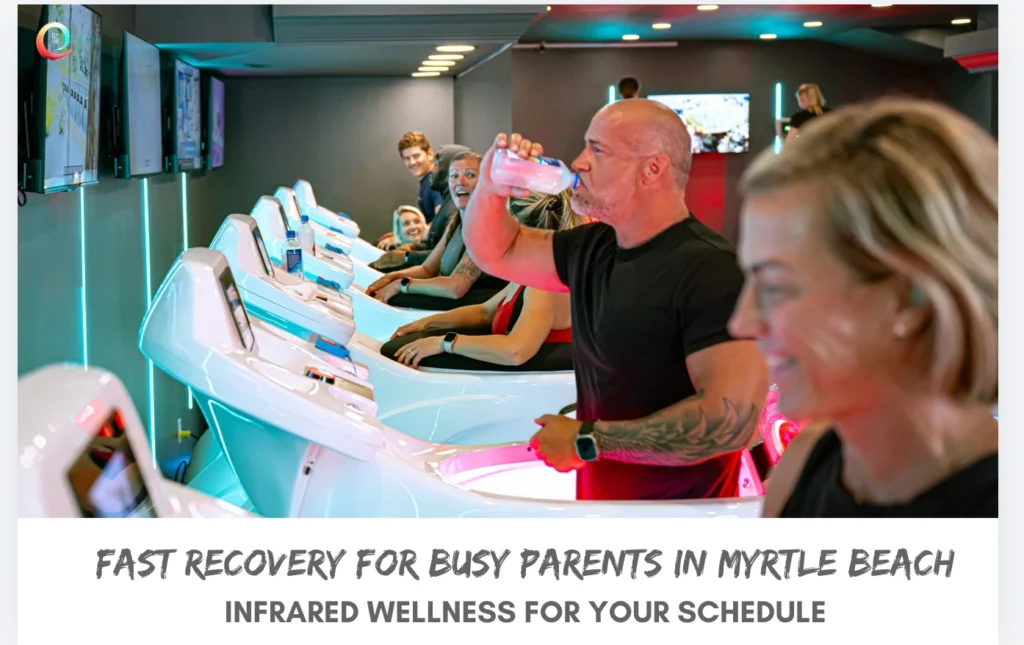
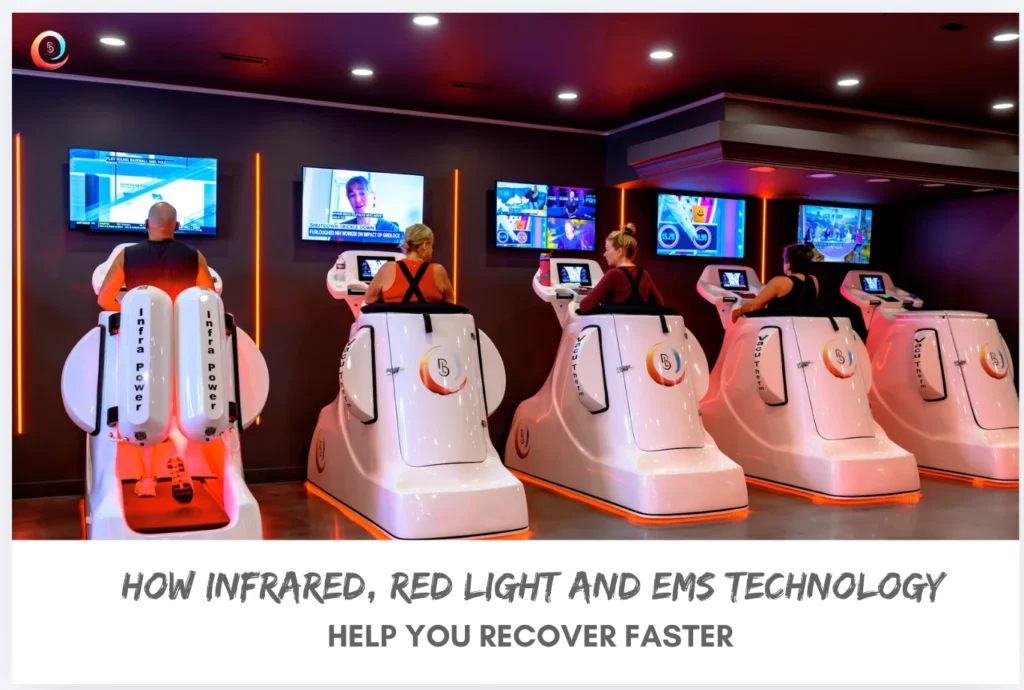
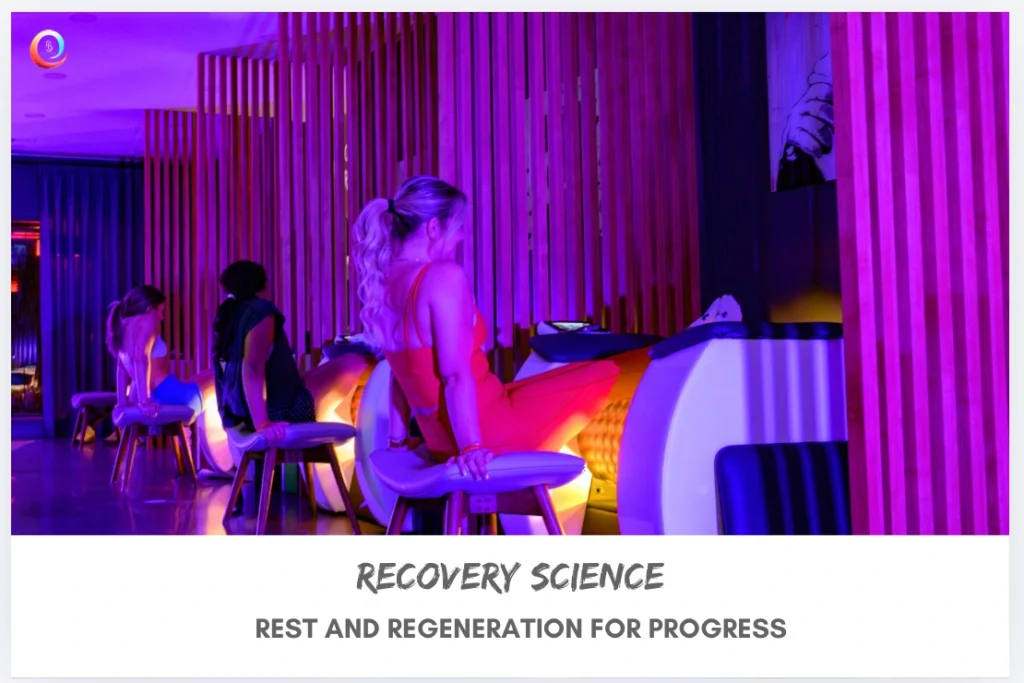
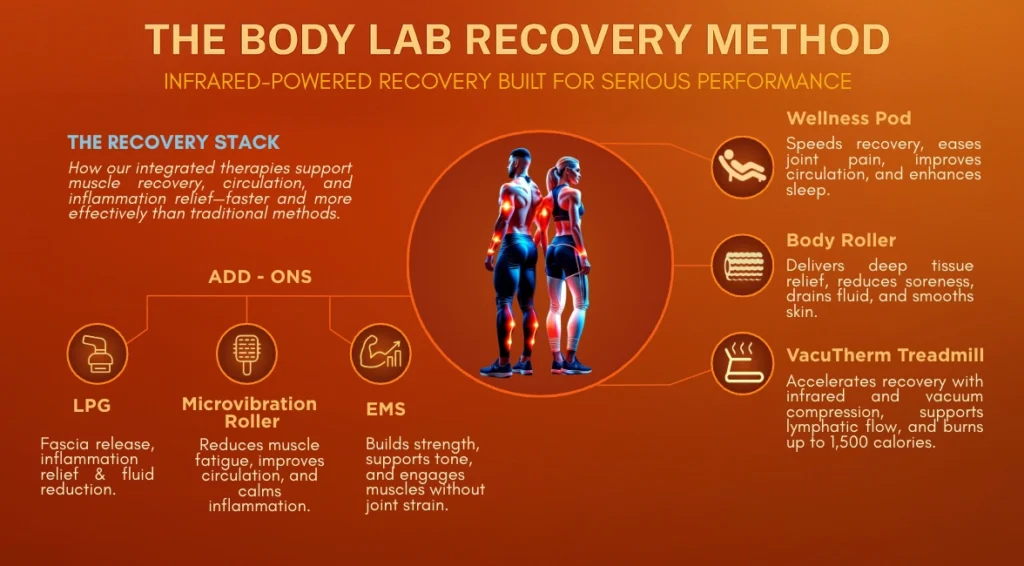
At Body Lab Studios, our Cocoon Wellness Pro Pod combines far-infrared heat, dry heat convection, vibration massage, chromotherapy, and aromatherapy into a single immersive recovery experience. Far-infrared wavelengths penetrate approximately 1.5 inches into muscle and connective tissue, warming the body from within rather than heating the surrounding air. This deep thermal effect supports vasodilation, increases circulation, and creates conditions favorable for post-exercise recovery.
Research on far-infrared heat therapy supports its role in recovery. A study published in Biology of Sport found that a single post-exercise infrared session supported faster recovery of neuromuscular performance and reduced muscle soreness in trained athletes compared to passive rest. (Ahokas et al., 2023) While this research was conducted using a dedicated infrared sauna device, the far-infrared technology in our Wellness Pod works through the same underlying thermal mechanisms. Individual results vary, and consistent use over time is associated with more meaningful and cumulative recovery benefits.
The Cocoon Wellness Pro Pod is available to members as part of our membership tiers, with Tier One and Tier Two members receiving regular scheduled pod sessions. Please hydrate well before and after every session.
POLY Red Light Therapy
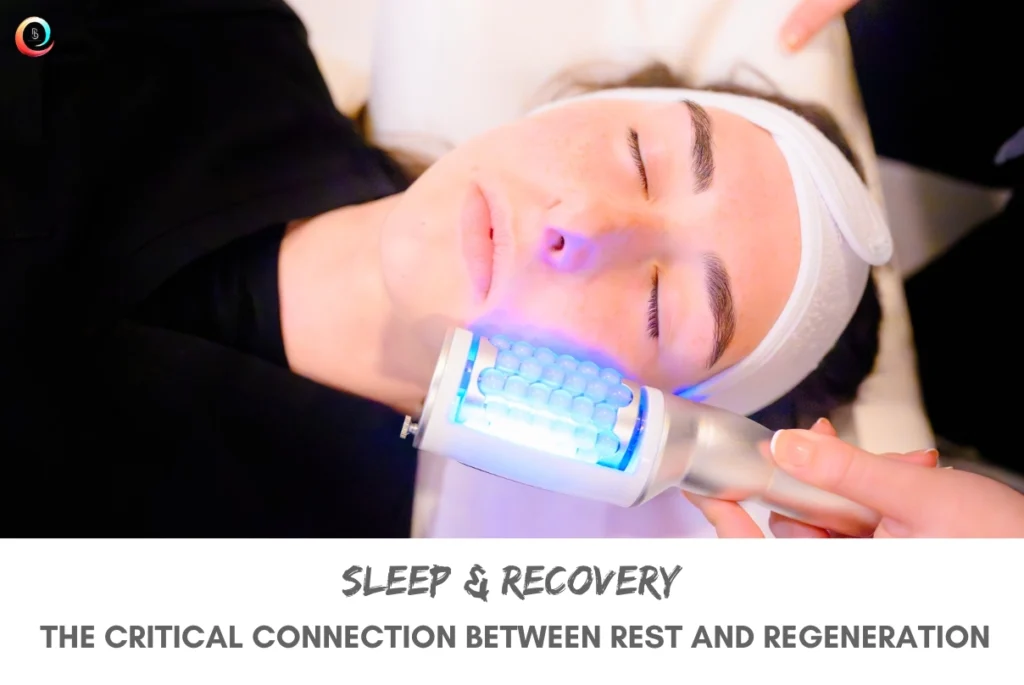
Our POLY Red Light Therapy system is an FDA 510(k)-cleared, medical-grade LED device using 1,820 high-output LEDs at 633 nm (red) and near-infrared wavelengths, delivering up to 60 mW/cm2 per session. POLY is primarily used at Body Lab Studios for skin health, collagen stimulation, inflammation support, and tissue repair after procedures or workouts.
Emerging research on photobiomodulation (PBM) suggests that red and near-infrared light may support cellular recovery, reduce markers of exercise-induced muscle damage, and help moderate inflammation, particularly when applied as part of a consistent protocol. A review across numerous clinical trials found improvements in muscle performance and recovery markers, especially when light therapy was applied before exercise sessions. (Leal-Junior et al., 2016) It is important to note that the overall body of evidence for PBM is still developing, with most studies rated as low to moderate certainty. POLY works best as a complementary layer within a broader recovery plan rather than as a standalone solution. Results vary between individuals and depend on session frequency, wavelength, and protocol consistency.
Lymphatic Drainage
Manual or mechanical lymphatic drainage, including our LPG Endermologie and Microvibration Roller services, works by mechanically stimulating the lymphatic system to support fluid movement, reduce post-exercise swelling, and improve how the body manages circulatory waste. LPG Endermologie uses motorized rollers and suction to create a deep mechanical stimulation effect across the skin and underlying tissue, and is FDA-cleared and used in over 110 countries.
A four-week controlled trial with 24 combat sports athletes found that both manual and mechanical lymphatic drainage significantly reduced post-exercise soreness and creatine kinase levels compared to a no-intervention group, demonstrating a measurable effect on recovery markers in active individuals. (Wilczynski et al., 2017)
Custom Recovery Plans
At Body Lab Studios in Myrtle Beach, our membership tiers and curated treatment packages are designed to help you stack these recovery modalities intelligently for your specific goals. Our Recovery and Wellness Package (Package No. 3) combines LPG Endermologie, Microvibration Roller, POLY Red Light, and Radio Frequency sessions over six weeks with a Tier Two Unlimited Membership included. Whether you are looking for a structured multi-week protocol or flexible individual sessions, we can help you build a plan that fits your schedule and your body.
Book a consultation or try your first session today to get started.
Recovery Action Steps at Home and in the Studio
In the Studio:
- Use your Wellness Pod sessions consistently, ideally on recovery days or after heavy training blocks
- Stack LPG or Microvibration Roller with your Wellness Pod sessions for a full fluid and tissue recovery protocol
- Follow all hydration guidelines before and after every pod session
- Use POLY Red Light as a complementary add-on to support tissue and skin recovery after treatments
At Home:
- Schedule and protect recovery days with the same commitment you give to workout days
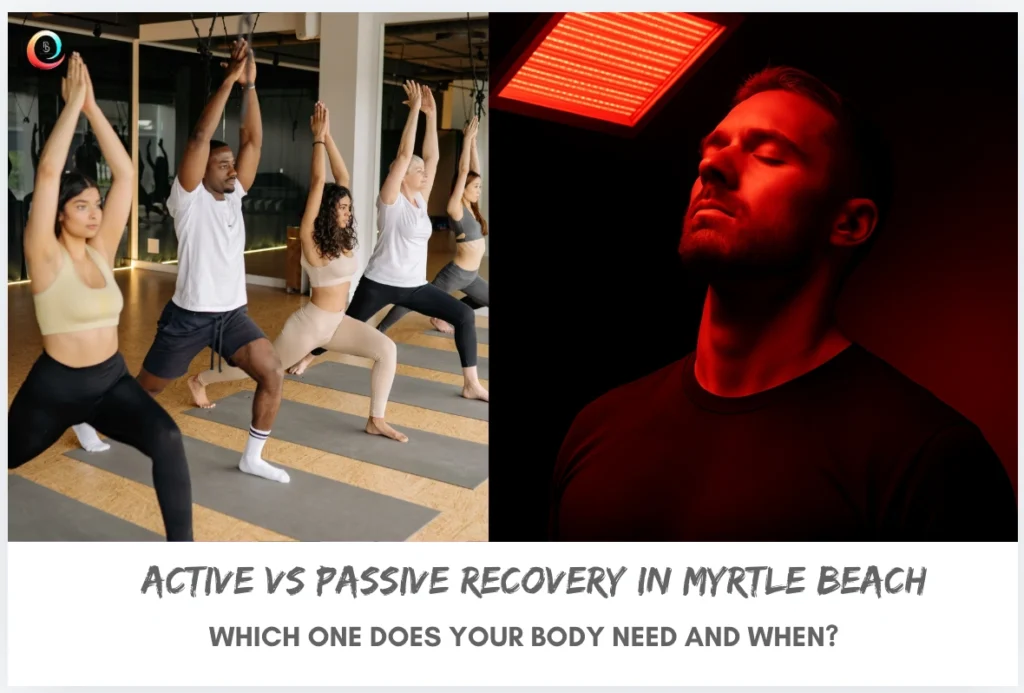
- Combine active recovery (easy movement, stretching, gentle walks) with passive rest (deep sleep, relaxation)
- Watch for the early warning signs listed above and respond to them by reducing intensity rather than pushing through
- Prioritize quality sleep in a cool, calm environment and aim for consistency in your sleep schedule
- Eat anti-inflammatory foods, stay well hydrated throughout the day, and consume adequate protein to support tissue repair
Frequently Asked Questions
1. How can I tell if I am overtraining?
Key signs include persistent fatigue, declining performance despite continued training, more frequent illness, mood changes, sleep disruption, and feeling consistently run down. If several of these overlap for more than a week or two, your body is signaling a need for more recovery, not more effort. A healthcare provider can help you rule out other underlying conditions with similar presentations.
2. When will I notice results with infrared or red light recovery?
Research on far-infrared heat therapy shows that even a single post-exercise session may support faster recovery of neuromuscular performance and reduced soreness. Many clients report feeling lighter and less tense after their first few sessions, though individual experiences vary. Consistent use over several weeks is where the most meaningful and cumulative benefits tend to emerge.
3. Do plateaus relate to overtraining?
Yes, they can. When the body is under chronic stress without sufficient recovery, performance and visible progress can stall even with continued effort. Inflammation, fluid buildup, and muscle tension can all contribute to a sense of being stuck. Addressing recovery systematically, through rest, nutrition, and targeted modalities like lymphatic drainage and infrared therapy, often allows progress to resume.
The Body Lab Studios Advantage
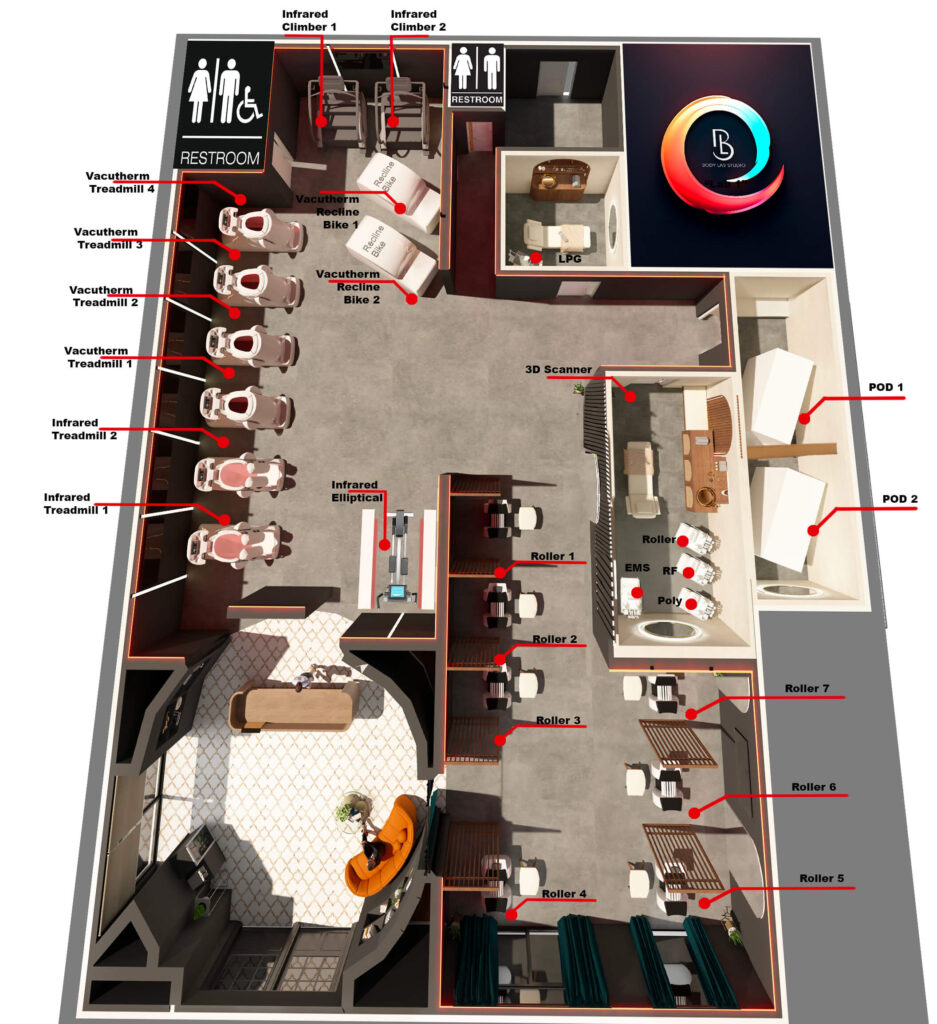
At Body Lab Studios in Myrtle Beach, we believe recovery should be as intentional and science-informed as any training program. We do not offer one-size-fits-all solutions or spa hype. We offer a layered ecosystem of technology-driven services, including Wellness Pod infrared therapy, POLY Red Light, LPG Endermologie, Microvibration Roller, EMS and RF sculpting, and Laser Lipo, designed to work together and adapt to your goals over time.
Our membership tiers give you consistent, affordable access to these services with built-in flexibility. Whether you are an athlete managing a heavy training block, a professional dealing with chronic physical demands, or someone who simply wants to feel better and recover faster, we are here to help you build a plan that works.
These services are designed to complement, not replace, guidance from your healthcare provider. If you are experiencing persistent symptoms, please consult a qualified medical professional before starting any new recovery program.
Rediscover Progress, Do Not Overtrain
Book a consultation, explore our membership tiers, or try your first Wellness Pod or POLY Red Light session at Body Lab Studios in Myrtle Beach. Your body does the work. We help it recover smarter.
- de Souza, E. I., et al. (2020). Recovery from overtraining syndrome: Learnings from the EROS-longitudinal study. In Overtraining Syndrome in Athletes, Springer, pp. 155-166. https://link.springer.com/chapter/10.1007/978-3-030-52628-3_8
- Leal-Junior, E. C. P., Lopes-Martins, R. A. B., and Bjordal, J. M. (2016). Photobiomodulation in human muscle tissue: An advantage in sports performance? Journal of Biophotonics, 9(11-12), 1273-1299. https://www.ncbi.nlm.nih.gov/pmc/articles/PMC5167494/
- Ahokas, E. K., et al. (2023). A post-exercise infrared sauna session improves recovery of neuromuscular performance and muscle soreness after resistance exercise training. Biology of Sport, 40(3), 681-689. https://www.ncbi.nlm.nih.gov/pmc/articles/PMC10286597/
- Wilczynski, J., et al. (2017). Effect of physical methods of lymphatic drainage on postexercise recovery in combat sports athletes. Journal of Strength and Conditioning Research, 31(3), 748-754. https://pubmed.ncbi.nlm.nih.gov/28817412/
- Martin-San Agustin, R., et al. (2025). A systematic review on whole-body photobiomodulation for exercise performance and recovery. Lasers in Medical Science. https://pubmed.ncbi.nlm.nih.gov/39883205/
- Vidoni, C., et al. (2024). Give it a rest: A systematic review with Bayesian meta-analysis on the influence of rest intervals on resistance training outcomes. Frontiers in Sports and Active Living, 6, 1429789. https://www.frontiersin.org/articles/10.3389/fspor.2024.1429789/full