Why Isn’t My Metabolism Working? The Problem With Diet Culture and Trends
You have probably heard of a “faster metabolism” or been told you “need” one. How did trends turn into fads, gadgets, and crash diets all in the name of that magical M-word? From Myrtle Beach professionals to parents to wellness explorers, it can seem like everyone is “stuck” despite trying so hard. think: slow weight loss, stubborn bloat, and fatigue that never seems to end.
At Body Lab Studio, we are setting the record straight with evidence-based insights and simple, sustainable ways to support your metabolism.
What Is Metabolism, Anyway?
Metabolism is not a single process, but rather all of your body’s energy-burning systems:
- Basal metabolic rate (BMR): Calories your body uses at rest just to keep you alive
- Thermic effect of food: Calories burned digesting and absorbing meals
- Physical activity: Everything from walking and running to HIIT or yoga
- Non-exercise activity thermogenesis (NEAT): All the little movements you do throughout the day (like fidgeting, standing, or taking the stairs)
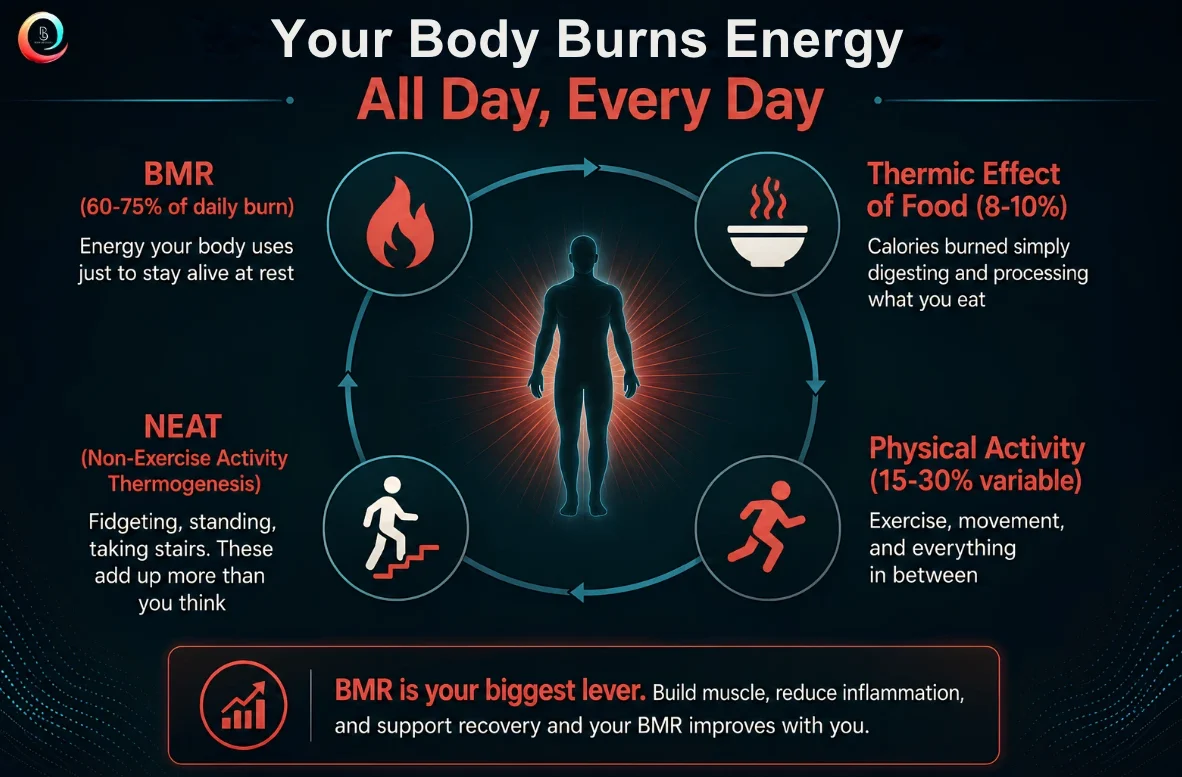
BMR is the biggest contributor to calorie burn, accounting for roughly 60-75% of your total daily energy expenditure, not “miracle” foods, juice cleanses, or hours of cardio. That said, NEAT is also surprisingly significant, often accounting for 15-30% of daily burn, which means the small movements throughout your day matter more than most people realize.
4 Metabolism Myths and The Science-Backed Truths
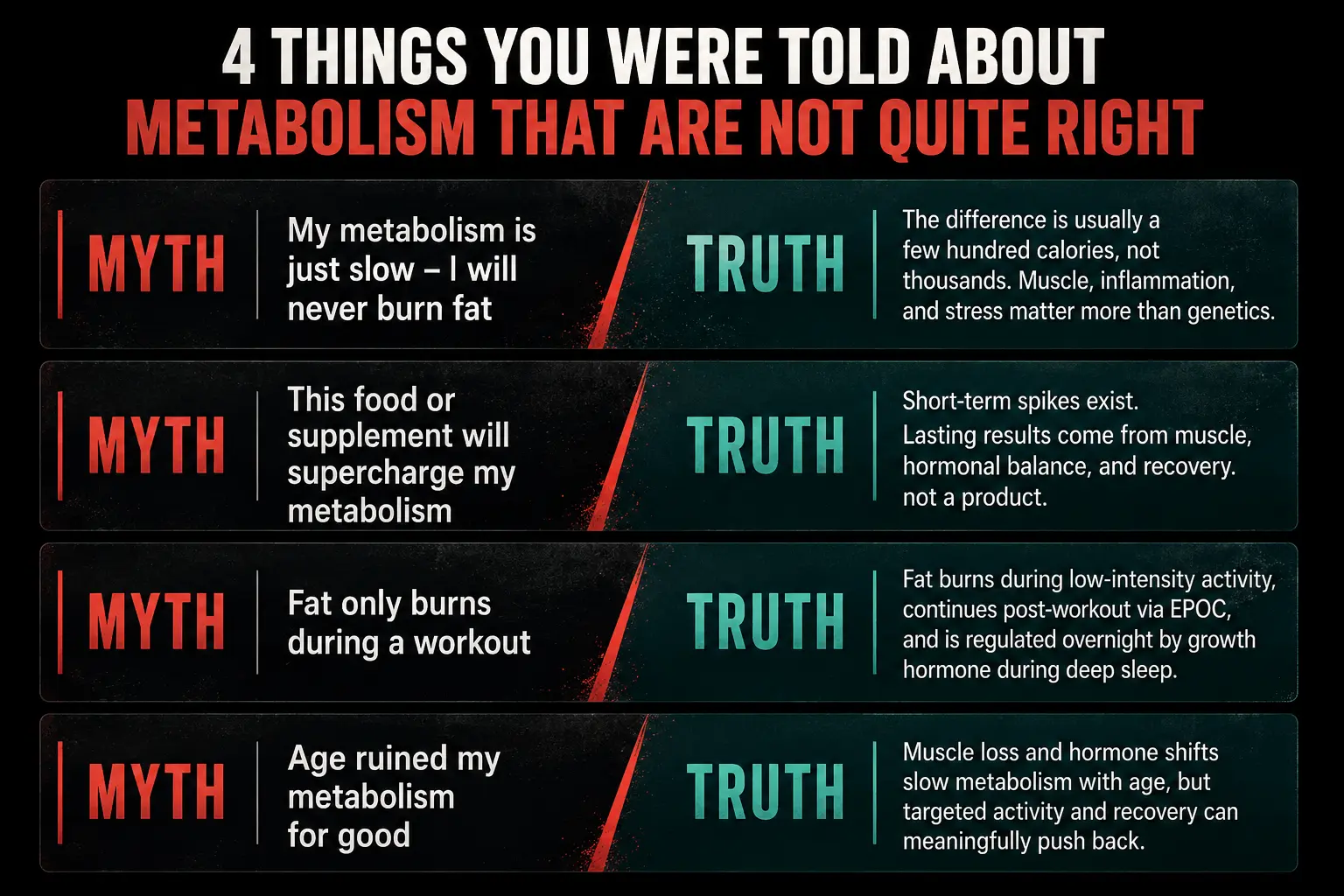
Myth #1: "If My Metabolism Is Slow, I'll Never Burn Fat"
Truth: The actual calorie difference between a so-called “fast” and “slow” metabolism is often smaller than people expect, typically a few hundred calories at most for people of similar size and body composition. The real issues are usually inflammation, chronic stress, poor circulation, hormonal imbalance, or under-eating, not some unfixable metabolic flaw you were born with.
Myth #2: "I Can Supercharge My Metabolism With This Food or Supplement"
Truth: No food, pill, or powder delivers lasting results. Sure, caffeine and spicy food can bump up calorie burn slightly in the short term, but building and maintaining muscle mass, balancing hormones, and supporting deep recovery are what move the needle over time. Supplements can support a good foundation, they cannot replace one.
Myth #3: "Fat Burning Happens While I'm Working Out"
Truth: Your body burns calories, including from fat stores, both during and after exercise. During lower-intensity aerobic activity, fat is actually the dominant fuel source. After higher-intensity work, your metabolism stays elevated for hours due to the EPOC effect (excess post-exercise oxygen consumption), also known as the afterburn effect. The bigger long-term advantage, though, is what regular exercise builds: more muscle mass means more calories burned at rest every single day. Quality sleep then amplifies all of this by regulating growth hormone, which supports muscle repair and fat metabolism overnight.
Myth #4: "Age Kills Your Metabolism. It's No Use Fighting It"
Truth: Metabolism naturally slows as we age due to a combination of factors, shifts in hormone levels, gradual loss of muscle mass, and changes in organ function and composition. But this is not a fixed sentence. With the right activity, targeted muscle support, and smart recovery strategies, you can meaningfully support your metabolic health at any age.
Body Lab Studio: Evidence-Backed Metabolism Support
Every service we offer is selected because it works with your body’s actual energy systems, supporting circulation, reducing inflammation, preserving muscle, and optimizing recovery. Metabolism is not one thing you can switch on with a single treatment. It is a collection of interconnected processes, and the most effective approach addresses all of them together.
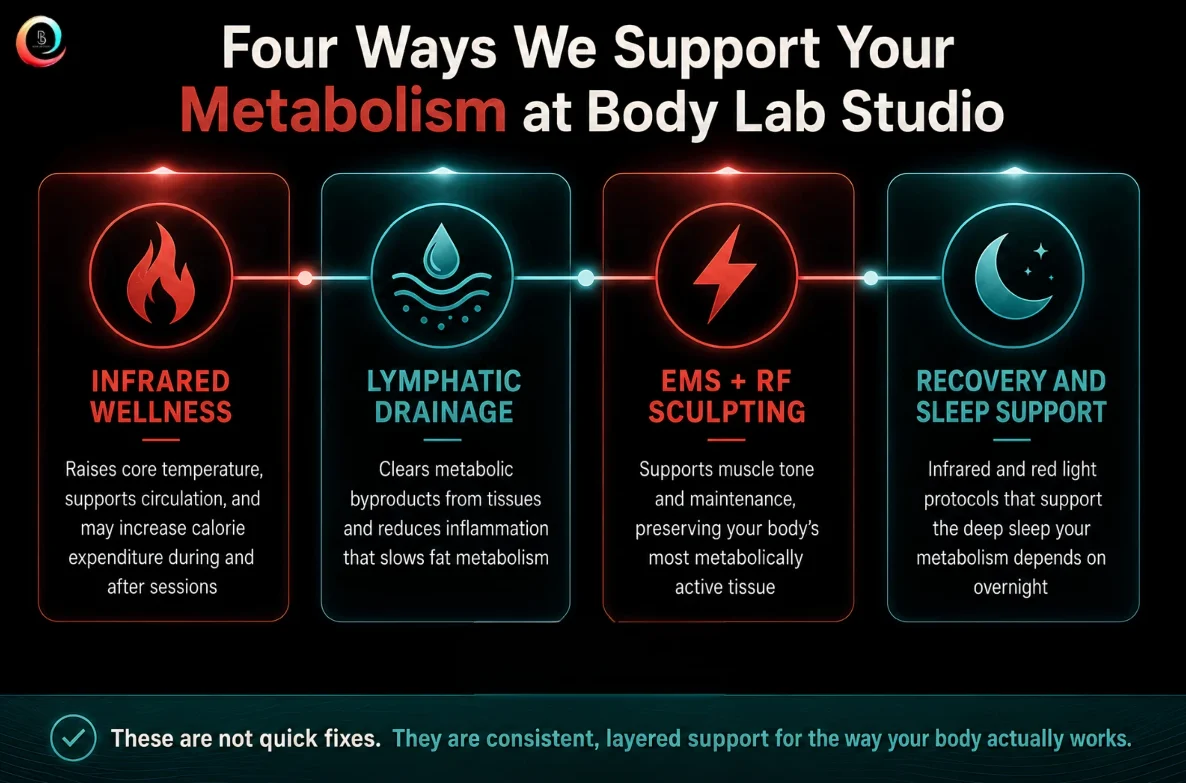
The four pillars below are how we do that and each one targeting a different layer of metabolic function, and all of them are designed to compound over time with consistent use.
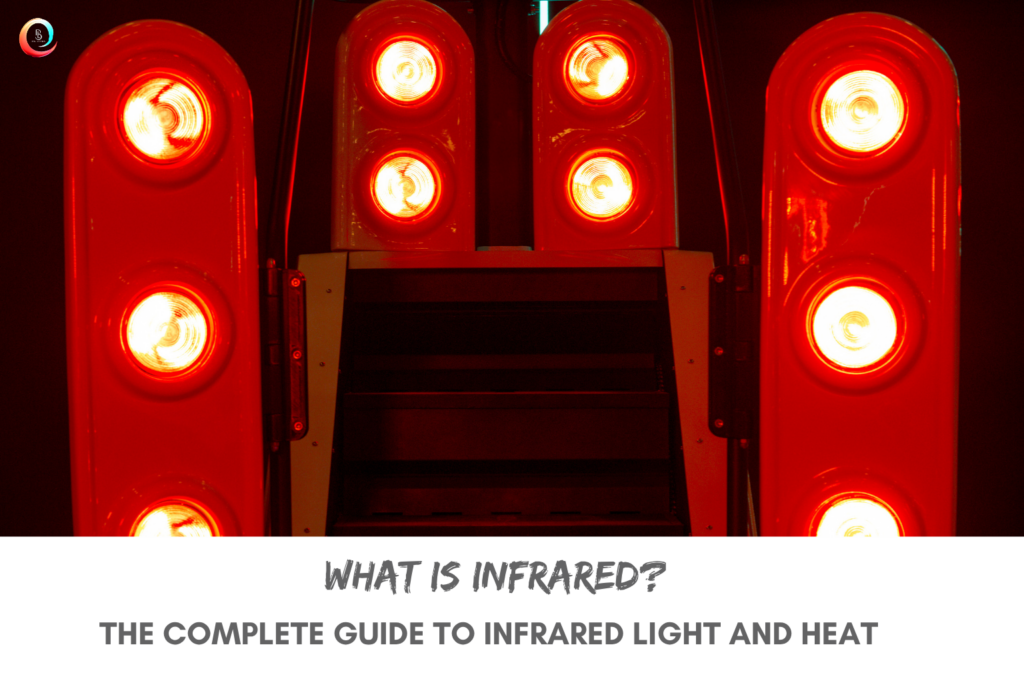
1. Infrared Wellness Myrtle Beach
Infrared heat therapy raises core temperature and supports circulation, which research suggests may contribute to increased calorie expenditure during and after sessions. Early studies also indicate potential benefits for inflammatory markers and tissue recovery.
Benefits:
- May support increased calorie and fat burn during and after a session
- Helps reduce inflammation and stress hormones
- Assists deep tissue repair, which is the foundation for meaningful fat burning over time
- Results vary and work best alongside consistent activity and nutrition
2. Lymphatic Drainage
Your lymphatic system plays a key role in fluid balance, immune function, and transporting fatty acids from the gut through specialized vessels called lacteals. Mechanical drainage at Body Lab Studio supports the clearance of metabolic byproducts from tissues, which may reduce inflammation and create better conditions for energy metabolism over time.
Benefits:
- Reduces swelling and water retention
- Supports fluid balance and helps clear metabolic byproducts from tissues
- May reduce inflammation and support better recovery conditions
- Primes your body for improved recovery results with regular sessions
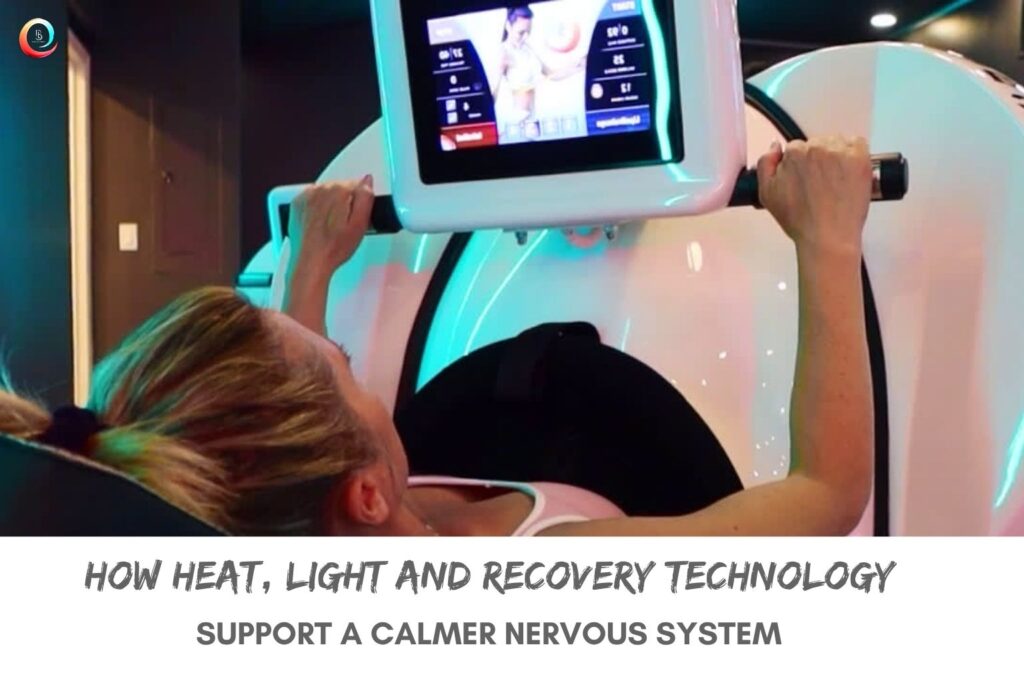
3. EMS + RF Sculpting
Muscle is the most metabolically active tissue in the body. EMS + RF Sculpting uses electrical muscle stimulation to help support muscle tone and maintenance, especially useful on recovery days or for those gradually building their activity level. RF (radiofrequency) heat complements this by boosting cellular energy for a firmer appearance and improved circulation. Both work best as part of a consistent wellness routine rather than as standalone fixes.
4. Consistent Recovery and Sleep
Your metabolism is a process, one that relies on regular, restorative sleep. Growth hormone is a key driver of fat metabolism and tissue repair. While exercise is a powerful trigger for growth hormone release, the largest surge happens during deep slow-wave sleep, making quality rest essential for recovery, not optional. Adding infrared or red light therapy to sleep-friendly routines can further support this recovery window.
The Body Lab Studio Difference: Calm Clarity, Science-First Support
- Evidence-based, expert support with no fads or hype
- Personalized, data-driven care for all ages and goals
- RESET Membership. our all-inclusive wellness membership to keep it easy and consistent
Conclusion
Metabolism is not a mystery you are stuck fighting forever. Most of the barriers people hit, stubborn weight, low energy, and slow recovery are not the result of a broken metabolism. They are the result of under-supported systems: poor circulation, chronic inflammation, disrupted sleep, and too little muscle mass. Each of those is addressable.
At Body Lab Studio in Myrtle Beach, we combine infrared wellness, lymphatic support, EMS and RF sculpting, and recovery-focused protocols to work with your body’s actual energy systems, not against them. No crash diets, no gimmicks, no overnight promises. Just consistent, science-backed support that builds on itself over time.
Book a consultation to get started, explore metabolism-friendly infrared and red light sessions, or find your best plan through our RESET Membership. Let’s help you start working with your body’s energy instead of against it at Body Lab Studio in Myrtle Beach.
Frequently Asked Questions
1. What about metabolism after weight loss?
Maintaining muscle mass, supporting lymphatic health, and incorporating body sculpting sessions can all help keep your metabolism more active after dieting ends. Muscle preservation is especially important because it directly supports your resting calorie burn.
2. Can I "boost" my metabolism at Body Lab Studio?
Layering the right technology and recovery strategies can help your body use energy more efficiently and minimize the metabolic slowdowns that come from chronic inflammation, poor circulation, and stress. Results vary by individual, and our team will work with you to build a plan that fits your goals.
3. Do "metabolism-boosting" gadgets or diets work?
No single device or supplement creates lasting metabolic change. Temporary spikes in calorie burn are common with some tools and ingredients, but for real and sustainable results, the focus should be on evidence-based habits maintained consistently over time.
Technology is most effective when it supports a solid foundation, not when it replaces one.
- Antoniak-Pietrynczak, K., Zorena, K., Jaskulak, M., Hansdorfer-Korzon, R., and Koziński, M. (2023). Effect of manual lymphatic drainage on the concentrations of selected adipokines, cytokines, C-reactive protein and parameters of carbohydrate and lipid metabolism in patients with abnormal body mass index: Focus on markers of obesity and insulin resistance. International Journal of Molecular Sciences, 24(12), 10338. 88 participants (adults with abnormal BMI) received manual lymphatic drainage over one month. Results showed improved inflammatory and lipid metabolic markers, suggesting lymphatic drainage has a positive metabolic role. https://www.mdpi.com/1422-0067/24/12/10338
- De Nardi, M., Allemano, S., Buratti, M., Conti, E., Filipas, L., Gotti, D., Luzi, L., and Codella, R. (2025). Photobiomodulation acutely augments resting metabolism in women with obesity. Nutrients, 17(21), 3357. 40 women with obesity participated in a double-blind crossover RCT. A single session of red light led to a 9% rise in resting energy expenditure over several hours. https://www.mdpi.com/2072-6643/17/21/3357
- Leenheer, M. D., and Minson, C. T. (2023). Repeated infrared sauna bathing in adults with obesity and pulse wave velocity. University of Oregon Scholars’ Bank, Thesis. Five adults with obesity underwent repeated far-infrared sauna sessions over several weeks, resulting in reduced arterial stiffness and suggested metabolic improvements. https://scholarsbank.uoregon.edu/bitstreams/15e18b18-377f-424d-8024-7f3892369ad6/download
- Levine, J. A. (2004). Non-exercise activity thermogenesis (NEAT). Proceedings of the Nutrition Society, 63(4), 829-840. This review of laboratory and real-world studies details how even small increases in daily movement can make a significant metabolic difference. https://pubmed.ncbi.nlm.nih.gov/14692603/
- Ruggiero, C., Metter, E.J., Melenovsky, V., Cherubini, A., Najjar, S.S., Ble, A., Senin, U., Longo, D.L., and Ferrucci, L. (2008). High basal metabolic rate is a risk factor for mortality: The Baltimore Longitudinal Study of Aging. The Journals of Gerontology: Series A, 63(7), 698-706. 1,227 participants followed for up to 40 years. The study examined how BMR changes with age and its relationship to mortality risk in an aging population. https://doi.org/10.1093/gerona/63.7.698