Infrared again. Why do clients ask about infrared wavelengths
Body sculpting. Faster recovery. Stress relief. Less puffiness and inflammation. Clients come to Body Lab Studio for next-level self-care, so when they hear about infrared therapy, they get curious, especially about near, mid, and far infrared. And rightly so. Our infrared offerings provide Myrtle Beach clients with visible, measurable results, but it can be hard to know where to start or what each service actually is. When wellness tech gets mixed with marketing claims, long scientific names, and technical details, it is easy to get lost in the jargon or tune out because the promises feel vague.
At Body Lab Studio, we believe your self-care journey should feel empowering, efficient, and personal. It is not about checking boxes. It is about you and your goals. That is why we created this guide as a clear, friendly resource to help you understand how our infrared technology works, what it can realistically do, and how each wavelength offers unique therapeutic benefits. The next time you are scrolling or chatting with a friend about infrared options, you can return here for a deeper explanation of near, mid, and far infrared wavelengths and how they fit into infrared wellness in Myrtle Beach.
What Are Infrared Wavelengths
How Infrared Works: Near, Mid, and Far Infrared Compared
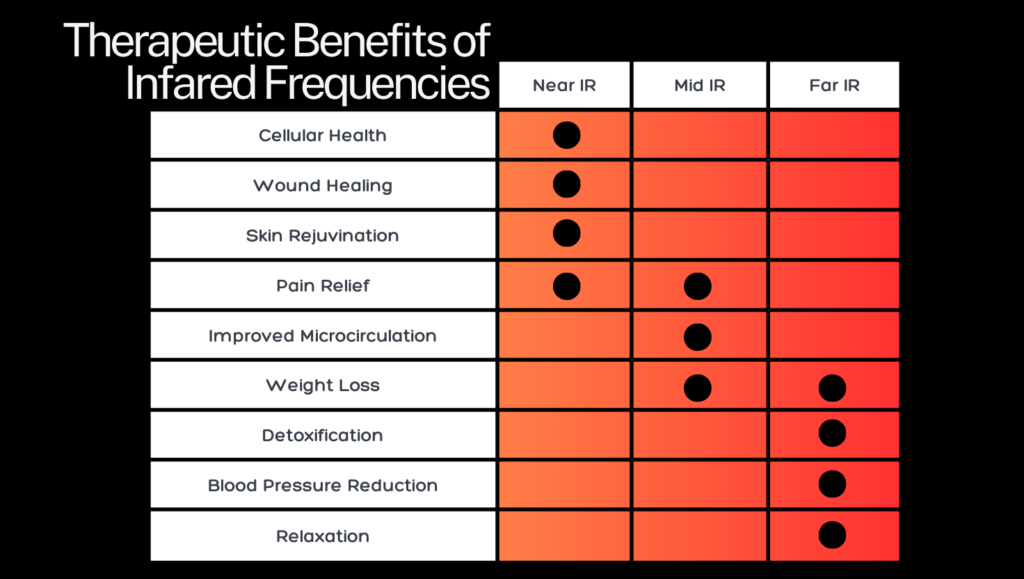
Near, Mid, and Far Infrared Benefits at a Glance
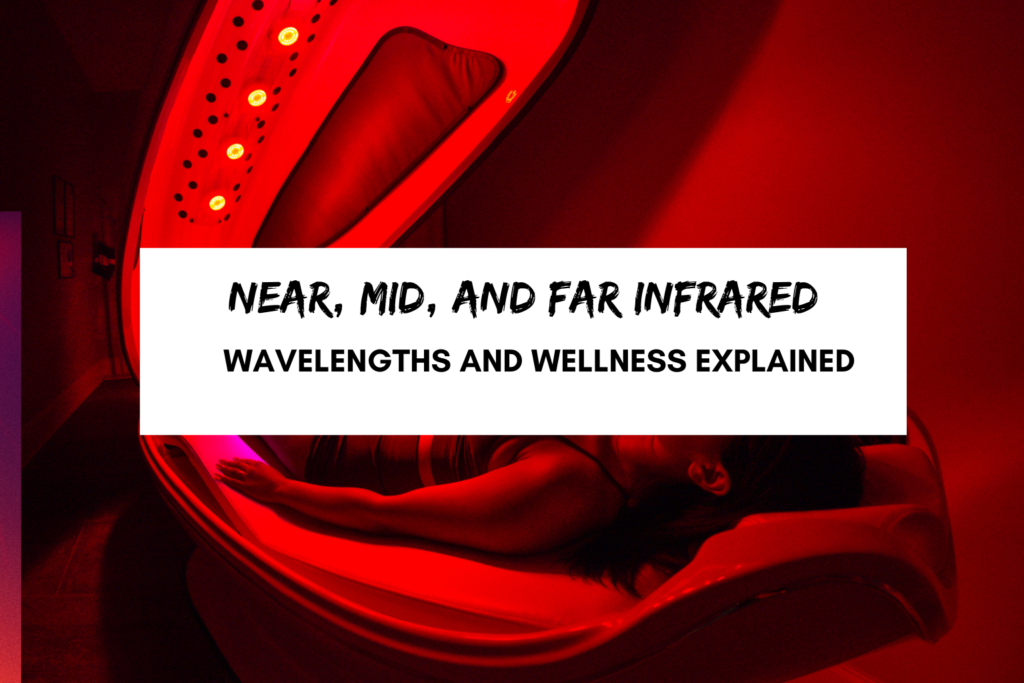
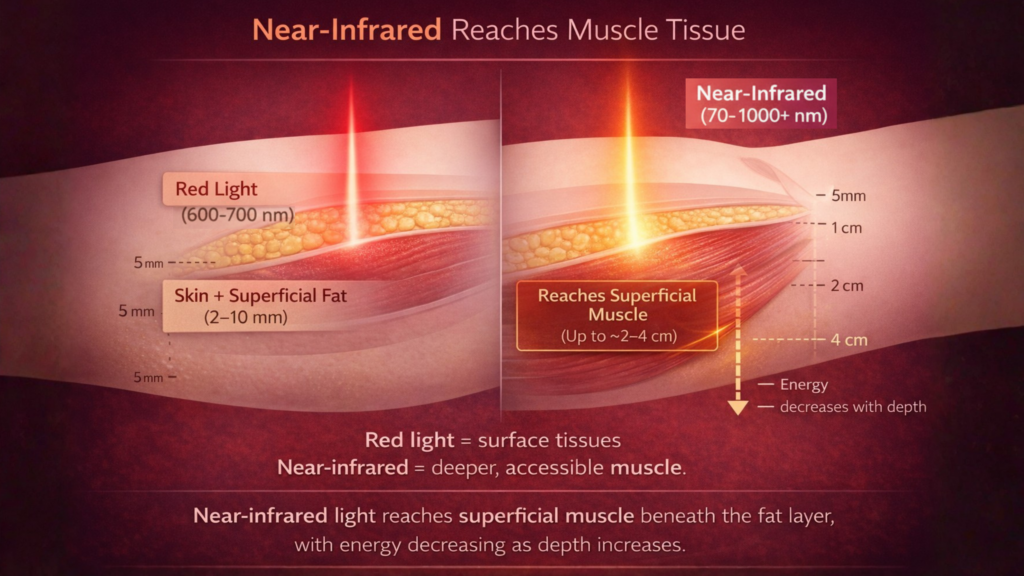
Near Infrared NIR approximately ~780 nm–1.4 µm works closest to the visible light spectrum and is best known for targeting the skin and superficial tissues, with limited penetration into deeper layers depending on wavelength strength and device power. This range is widely used to support cellular energy production, collagen activity, surface-level circulation, and overall tissue repair. Because of its ability to energize cells without intense heat, NIR is often associated with what many people refer to as red light therapy Myrtle Beach, and it’s commonly paired with visible red light to enhance skin health, recovery, and rejuvenation effects.
Targets primarily skin and superficial tissues, with some penetration into deeper layers depending on wavelength and power.
Key roles Cellular energy, collagen support, surface circulation, and tissue repair. NIR is closely related to what many people call red light therapy Myrtle Beach and is often paired with visible red light.
Mid Infrared MIR approximately 1.4–3 µm, penetrates deeper into soft tissues and muscles compared to near infrared, making it especially effective for supporting physical comfort and recovery. This wavelength range helps stimulate circulation below the skin’s surface, ease muscle tension, and promote relaxation following everyday stress, movement, or physical activity. MIR delivers a gentle, therapeutic warmth that supports the body’s natural recovery processes without the intensity associated with far infrared, making it a balanced option for ongoing wellness and muscle support.
Targets Deeper into soft tissues and muscles.
Key roles: Supporting circulation, easing muscle tension, and assisting with recovery from everyday stress and activity.
Far Infrared FIR approximately 3 µm–1 mm, operates at the longest wavelengths of the infrared spectrum. Far infrared is typically experienced as radiant heat. It can raise skin and tissue temperature and support circulation responses, sweating, and deep relaxation.
Its primary role is gently raising core body temperature, which encourages sweating, supports lymphatic movement, and helps improve overall circulation. This deeper thermal effect often creates a sensation of full-body relaxation, making FIR commonly associated with detox-style treatments and a feeling of physical reset.
Targets Deep tissues, including muscle, fat, and parts of the lymphatic system.
Key roles: Raising core temperature, promoting sweating, supporting lymphatic flow, and contributing to a feeling of deep, full-body relaxation and reset.
All three parts of the infrared spectrum share the ability to interact with water-containing tissues and influence blood flow and tissue comfort. Where they differ is in how they interact with specific cell structures, how far they reach, and how much they contribute to non-heat-related cellular effects versus more pronounced heat and sweating.
Near Infrared
Near Infrared The Skin and Cellular Level
Near infrared is the part of the infrared spectrum that sits closest to visible red light. It has been studied extensively in the context of photobiomodulation, which is the use of nonheating light to influence cellular function.
Our POLY Red Light Therapy is FDA-cleared for specific indications (including aesthetic and pain-related uses). We use it as a non-heating light option to support skin rejuvenation goals and comfort.
Near Infrared Benefits
How Near Infrared Works
Near infrared is often delivered alongside visible red light, and together they are frequently referred to as red and near infrared photobiomodulation. At the cellular level, red and near infrared photons can be absorbed by components of the mitochondrial respiratory chain, particularly cytochrome c oxidase, as well as by other chromophores. This interaction can improve mitochondrial function, support ATP production and cellular energy, and trigger signalling pathways that influence collagen synthesis, oxidative stress, and inflammatory mediators.
Clinical and mechanistic studies support this story. In a controlled trial with 136 participants receiving red and near infrared LED phototherapy to the face over about 15 weeks, researchers observed significant improvements in skin roughness, fine lines, and intradermal collagen density compared with baseline and controls, supporting the use of nonthermal red and near infrared for skin rejuvenation and collagen support Wunsch and Matuschka, 2014.
These findings help explain why near infrared is widely used in non-thermal light therapies focused on skin health and tissue support. Rather than working through heat, near infrared and red light influence cellular behaviour at the metabolic level, encouraging more efficient energy use and improved structural maintenance of the skin. The observed increases in collagen density and surface smoothness suggest that repeated exposure supports gradual, cumulative changes, making near infrared particularly well-suited for long-term skin rejuvenation and maintenance protocols rather than short-term cosmetic effects.
Mechanistic reviews and experimental work also show that near infrared and red wavelengths 600 to 1100 nm can enhance mitochondrial energy production via cytochrome c oxidase and modulate nitric oxide signalling, which contributes to improved cellular function and local blood flow Quirk et al., 2020; Herrera et al., 2024.
In practical terms, clients may notice with consistent near-infrared and red light use
- Improved skin texture and firmness over time
- Reduction in the appearance of fine lines and mild unevenness
- Improved surface circulation, giving the skin a healthier glow
- Support for recovery in superficial tissues, such as skin and near-surface fascia
Who Should Use Near Infrared
Near infrared is a good fit for clients focused on hydrated, more resilient-looking skin, gentle support for tissue repair, or a non-heating complement to other wellness services. At Body Lab Studio, we often combine near infrared wavelengths with our POLY Red Light Therapy sessions to support collagen and skin health and may pair POLY with EMS + RF for body contouring and muscle conditioning goals, based on your plan.
Because near infrared and accompanying visible red wavelengths in skin-directed protocols are generally low intensity and nonheating, they are suitable for all skin types and can often be layered before or after other treatments. Reviews in dermatology have highlighted that visible to near infrared photobiomodulation can support wound healing, scar modulation, and cosmetic skin improvements across a range of treatment durations and participant groups Chaves et al., 2014, which aligns with how we use NIR as a gentle, repeatable tool in an ongoing self-care plan.
Mid Infrared
Mid Infrared From Skin Deep into Muscle
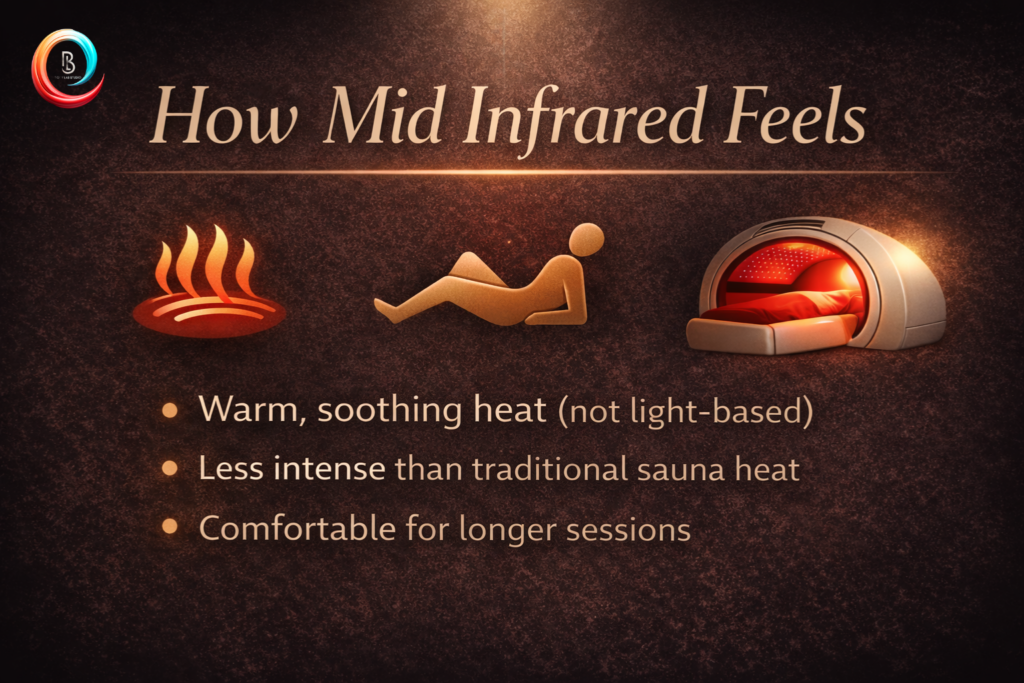
Mid-infrared wavelengths penetrate deeper than near infrared and interact more strongly with the water content of tissues. This results in gentle, comfortable warming in muscles and other soft tissues, which can influence circulation and muscle comfort.
Mid Infrared Benefits
Targets the muscle and soft tissues deeper than the skin surface.
Approximate wavelengths 1.5 to 5.6 microns.
How Mid Infrared Works
Mid-infrared irradiation warms the water-rich tissues of the body. This warming supports vasodilation, which is the relaxation and widening of blood vessels. As circulation improves, more oxygen-rich blood reaches the muscles, and metabolic byproducts from activity are carried away more efficiently. Increased blood flow has been documented in thermal and infrared-based protocols, with some studies showing that repeated thermal therapy improves vascular endothelial function and circulation in people with cardiovascular risk factors Imamura et al., 2001.
Clients often report with mid-infrared exposure
Easing of everyday muscle tension
Supportive relief after workouts or long periods of sitting
A sense of warm, pliable muscles rather than tight or stiff tissues
These sensations likely relate to improved blood flow, reduced perceived stiffness, and the relaxation of muscles under gentle heat, as also suggested by broader literature on infrared and thermal modalities for musculoskeletal comfort.
Enhanced blood flow and subtle thermal effects also help soften the feelings associated with stress, such as tight shoulders or a stiff lower back, making mid infrared a useful wellness ally for both active individuals and those with sedentary jobs.
Who Should Use Mid Infrared
Mid infrared is ideal for Myrtle Beach clients who exercise regularly and want a boost in recovery without the need for more hands-on physical therapy, as well as for those who sit at a desk or in a car for long hours and feel chronically tight.
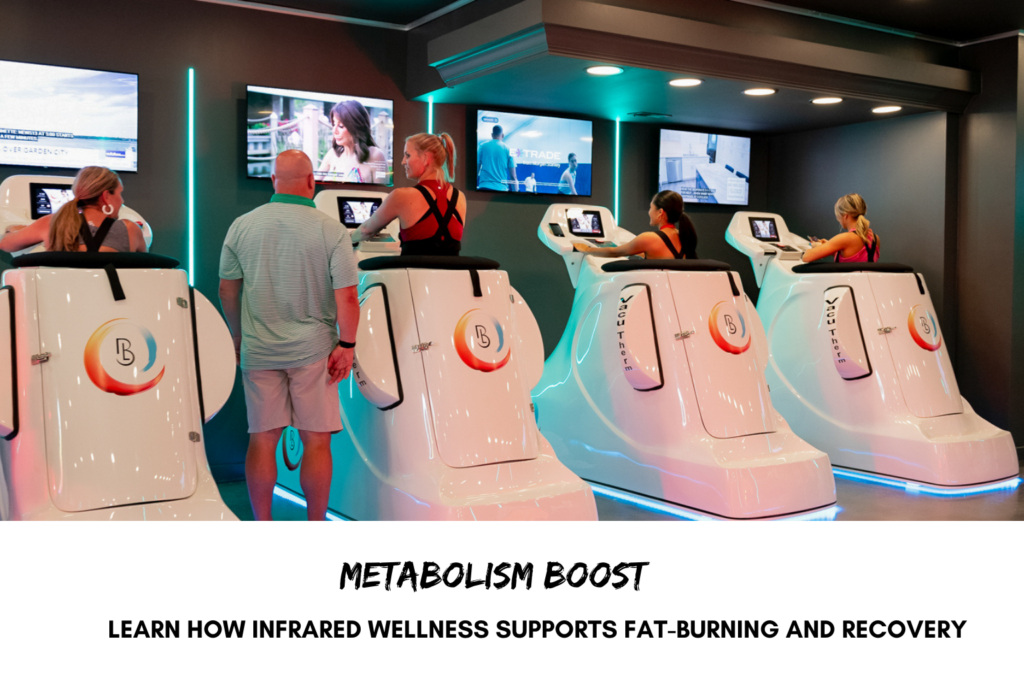
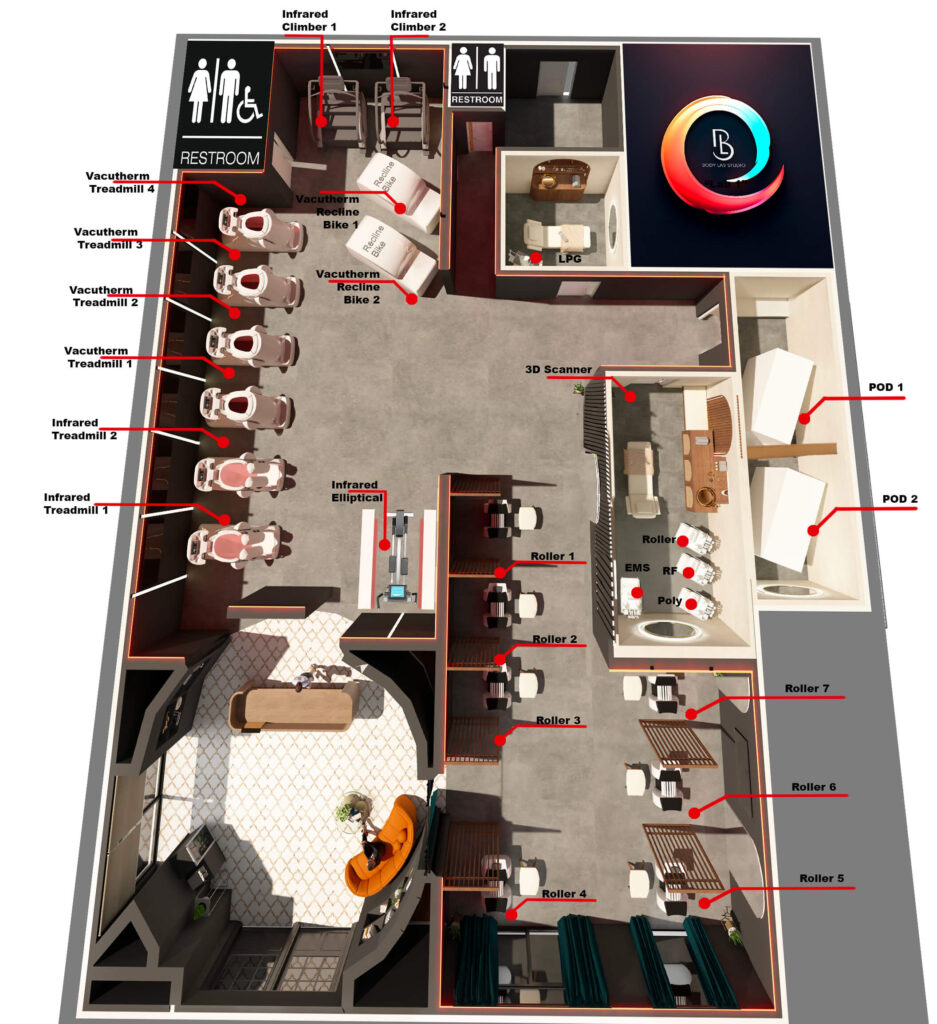
At Body Lab Studio, mid infrared is a key component in our infrared wellness pods and recovery sequences, especially when layered with lymphatic rollers or paired with sessions like infrared fitness or personal training. It remains relatively gentle from a temperature perspective in many applications, especially when combined thoughtfully with near and far infrared in a controlled environment so that you can enjoy warmth and circulation benefits without feeling overwhelmed by heat.
Far Infrared
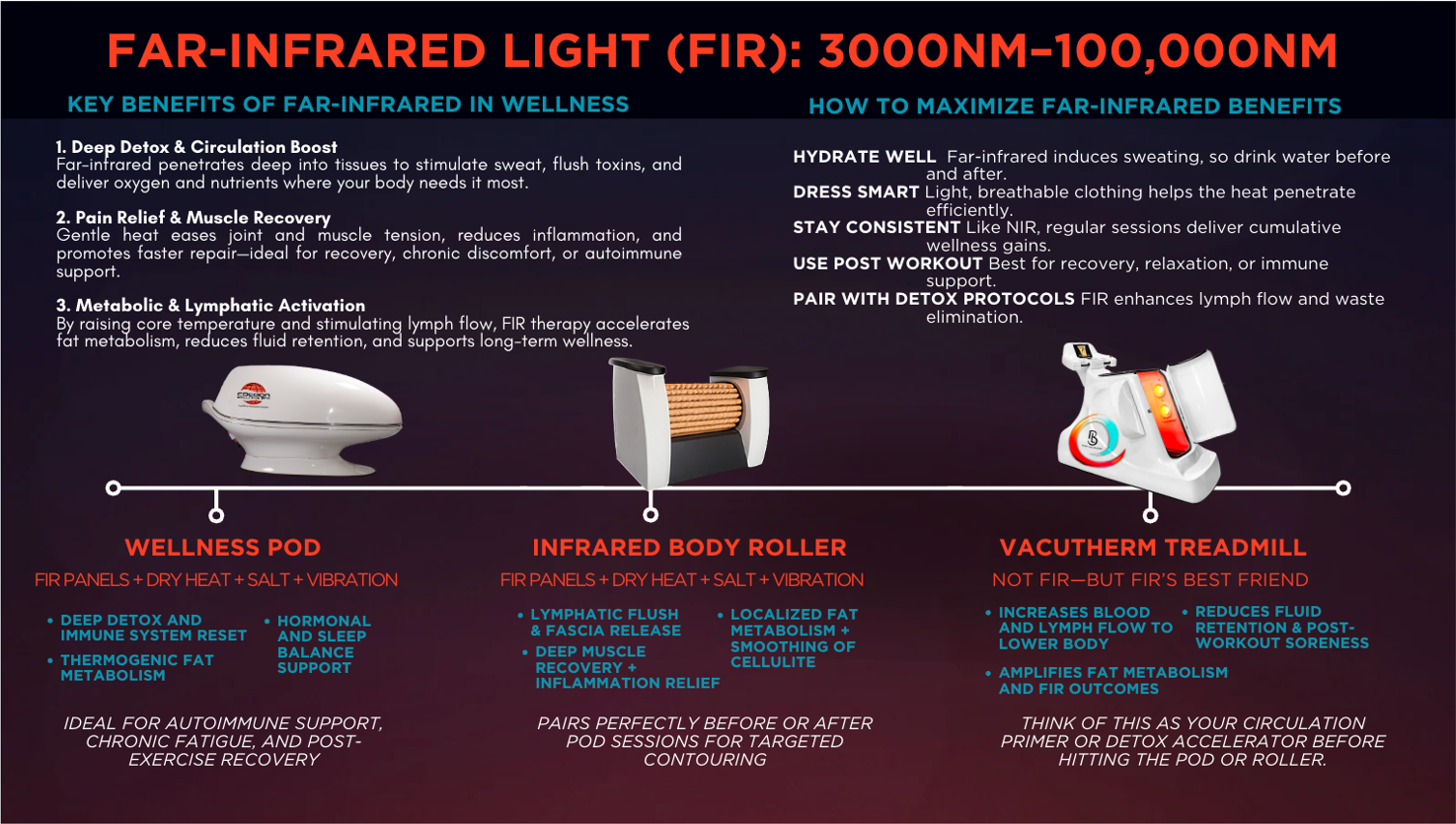
Far Infrared Heating from the Inside Out
Infrared wavelengths provide deep-penetrating warmth that supports circulation and muscle relaxation They strongly interact with water molecules and tissues deep under the skin, which helps raise core body temperature more from within than from the surrounding air.
Far Infrared Benefits
Targeted at Muscle, fat-containing tissues, and aspects of the lymphatic system.
Approximate wavelengths 5.6 to 20 microns.
How Far Infrared Works
When you are exposed to far infrared in a sauna environment or wellness pod, the rays penetrate beneath the skin surface and are absorbed by water-rich tissues. This leads to a gradual rise in core body temperature. As core temperature increases, the body responds by increasing heart rate and initiating perspiration in order to cool itself.
Far infrared sauna and thermal protocols have been shown in research to support recovery and circulation. In a crossover study of 10 men performing resistance exercise, a 20-minute far infrared sauna session after training improved neuromuscular recovery and reduced muscle soreness over the next 24 hours compared with passive recovery Ahokas et al., 2023. Another study in 10 men found that 30 minutes of a far infrared sauna after strength and endurance sessions improved recovery markers and autonomic balance Mero et al., 2015. Repeated thermal therapy with far infrared at 60 degrees Celsius for 15 minutes per day over 2 weeks also improved vascular endothelial function in 25 patients with coronary risk factors Imamura et al., 2001.
Sweating is primarily a cooling mechanism, and many people feel refreshed afterward. It is helpful to understand this in context. Sweating supports the removal of water and some waste products through the skin, while improved circulation supports blood flow through organs such as the liver and kidneys, which are primary detox organs. Far infrared exposure, especially when combined with rest and hydration, can therefore support the body’s natural detoxification mechanisms rather than replacing them.
Research has also explored the relationship between far infrared exposure and lymphatic circulation. In a 2024 study of 32 adults, including 27 hemodialysis patients, sleeping for 7 hours on a loess bio ball mat that emitted far infrared at 30 degrees Celsius over multiple nights reduced extracellular water relative to body cell mass and improved lymphatic flow metrics, suggesting support for lymphatic circulation and reduction of inflammatory fluids Shin et al., 2024.
Clients often describe after far infrared sessions
A deep, relaxing sweat that feels more tolerable than traditional sauna heat
A sense of reduced puffiness or water retention after sessions
A feeling of warmth and ease in areas that previously felt congested or heavy
Who Should Use Far Infrared
Far infrared is particularly supportive for active or inactive Myrtle Beach clients who feel puffy, inflamed, or prone to water retention, or who want help supporting lymphatic drainage and circulation in a gentle way. At Body Lab Studio, far infrared is foundational in our infrared fitness and lymphatic recovery sequences and is one of the main reasons clients tell us they sweat more easily and feel less bloated after treatment.
Because far infrared is strongly warming, it is applied thoughtfully before or during other Body Lab Studio services, with careful attention to comfort, hydration, and individual tolerance. Sessions are designed to be restorative rather than depleting, helping you leave feeling lighter, clearer, and more relaxed.
The Body Lab Studio Difference: Infrared Customization for You
Infrared therapy Myrtle Beach clients choose at Body Lab Studio is not a one-size-fits-all experience. Our proprietary infrared sequence programs are designed to use the full spectrum from near to far infrared in a way that matches your goals and your body.
We think in terms of wavelength synergy, meaning how different parts of the spectrum can be layered over time and combined with other tools like lymphatic rollers, EMS plus RF muscle and body sculpting, and red light technology. This allows us to
Support both the appearance and function of your body from skin quality to muscle comfort
Create a more efficient, less stressful route to outcomes such as improved skin texture, more comfortable joints, and reduced puffiness
Help you experience faster recovery and supported detoxification through circulation and lymphatic pathways
Keep sessions noninvasive, comfortable, and customizable so you can adjust as your life and needs change
Aim for natural-looking, body-positive results that complement your lifestyle rather than demanding extreme changes
By designing your infrared experience around your unique physiology and goals, we help move infrared therapy out of the buzzword category and into something that feels personal, strategic, and sustainable.
About Infrared Wavelengths Myrtle Beach Clients Ask
1. Do I Have to Use All Three Wavelengths to See Results?
2. Do I Need Infrared for All Services?
3. How Long Does It Take to See Infrared Results?
Some clients notice differences after just one treatment, such as feeling lighter, more relaxed, or less puffy. Skin-related changes, like improvements in texture or glow, typically become more noticeable after a few sessions, for example, two to four POLY red light or near infrared focused treatments, consistent with clinical work showing that repeated sessions over weeks support collagen and texture changes (Wunsch and Matuschka, 2014).
For ongoing benefits such as reduced bloat, easier recovery from workouts, or body sculpting progress, consistent use of infrared fitness and lymphatic recovery, guided by our team, tends to yield the most meaningful transformations over weeks and months. Research on far infrared sauna and thermal therapies for recovery and circulation often involves repeated sessions over several weeks (Ahokas et al., 2023; Imamura et al., 2001), which is similar to how we structure real world infrared wellness programs.
4. Ready to Start Exploring Infrared and Red Light Therapy Myrtle Beach Clients Can Count On
Quirk, B. J., Whelan, H. T., & Wong Riley, M. T. T. (2020). What lies at the heart of photobiomodulation: Light, cytochrome c oxidase, and nitric oxide: Review of the evidence. Photobiomodulation, Photomedicine, and Laser Surgery, 38(9), 527–530. This narrative review synthesizes mechanistic and experimental evidence on how red and near infrared light approximately 600 to 1100 nm interacts with cytochrome c oxidase and nitric oxide signaling to enhance mitochondrial ATP production, modulate oxidative stress, and influence vasodilation. No single participant cohort is studied as this is a review. Instead, it summarizes dozens of preclinical and clinical studies of variable duration, collectively supporting the cellular energy and signaling mechanisms described for near infrared and red light therapy. https://pmc.ncbi.nlm.nih.gov/articles/PMC7495914/
Wunsch, A., & Matuschka, K. (2014). A controlled trial to determine the efficacy of red and near infrared light treatment in patient satisfaction, reduction of fine lines, wrinkles, skin roughness, and intradermal collagen density increase. Photomedicine and Laser Surgery, 32(2), 93–100. In this randomized, controlled trial, 136 volunteers with facial photodamage received nonthermal red and near infrared LED photobiomodulation two times per week for 30 sessions approximately 15 weeks. The study reported significant improvements in skin roughness, fine lines, and intradermal collagen density compared with baseline and control conditions, supporting the use of near infrared and visible red light to enhance skin texture, firmness, and collagen related parameters. https://www.ncbi.nlm.nih.gov/pmc/articles/PMC3926176/
Ahokas, E. K., Kyröläinen, H., Mäntykangas, T., Avela, J., & Palvalin, K. (2023). A post exercise infrared sauna session improves recovery of neuromuscular performance and muscle soreness after resistance exercise. Biology of Sport, 40(3), 681–689. In this randomized, crossover study, 10 physically active men performed two identical lower body resistance exercise sessions, each followed either by a 20 minute far infrared sauna session or passive seated recovery, with each condition separated by at least one week. Neuromuscular function countermovement jump and maximal voluntary contraction and perceived muscle soreness were tracked for 24 hours. The far infrared sauna condition resulted in better recovery of neuromuscular performance and lower soreness compared with passive recovery, supporting the role of infrared, especially far infrared, as a tool for post exercise recovery and muscle comfort. https://pmc.ncbi.nlm.nih.gov/articles/PMC10286597/
Mero, A. A., Tornberg, J., Mäntykoski, M., & Puurtinen, R. (2015). Effects of far infrared sauna bathing on recovery from strength and endurance training sessions in men. SpringerPlus, 4, 321. This crossover study included 10 healthy men completing strength and endurance exercise sessions followed either by 30 minutes of far infrared sauna exposure or by passive recovery over multiple test days. Recovery markers including neuromuscular performance, heart rate variability, and subjective fatigue were monitored over 24 hours. Far infrared sauna exposure accelerated recovery of neuromuscular performance and produced more favorable autonomic balance compared with passive recovery, aligning with descriptions that far infrared helps active clients feel less tight and more recovered after workouts. https://springerplus.springeropen.com/articles/10.1186/s40064-015-1093-8
Imamura, M., Biro, S., Kihara, T., Yoshifuku, S., Takasaki, K., Otsuji, Y., Minagoe, S., Akiba, S., Murakami, Y., & Tei, C. (2001). Repeated thermal therapy improves impaired vascular endothelial function in patients with coronary risk factors. Journal of the American College of Cardiology, 38(4), 1083–1088. This prospective study enrolled 25 patients with at least one coronary risk factor who underwent 15 minute sessions of far infrared sauna at 60 degrees Celsius followed by 30 minutes of bed rest once daily for 2 weeks. Flow mediated dilation of the brachial artery and symptoms of vascular dysfunction were assessed before and after the intervention. Repeated far infrared sauna therapy significantly improved endothelial function and reduced clinical symptoms, supporting the concepts of infrared related vasodilation, circulation support, and cardiovascular benefits. https://www.jacc.org/doi/10.1016/S0735-1097(01)01467-X
Shin, Y. I., Kim, M. S., Yang, Y. A., Jeon, G. R., Kim, J. H., Choi, Y. J., Choi, W. C., & Kim, J. H. (2024). Effects of far infrared rays emitted from loess bio balls on lymphatic circulation and reduction of inflammatory fluids. Biomedicines, 12(10), 2392. In this clinical study, 32 adults were evaluated, with 27 hemodialysis patients undergoing far infrared exposure via a loess bio ball mat either for 30 minutes at 40 degrees Celsius or for 7 hours at 30 degrees Celsius during sleep, in protocols lasting several nights. Bioimpedance and lymphoscintigraphy markers of extracellular water, phase angle, and lymphatic circulation were examined before and after exposure. Prolonged low temperature far infrared exposure during sleep reduced extracellular water relative to body cell mass by about 2.33 percent and improved lymphatic flow metrics, supporting the view that infrared can assist with puffiness, water retention, and inflammatory fluid clearance through lymphatic pathways. https://www.mdpi.com/2227-9059/12/10/2392
Herrera, M. A., Marín Payá, J. C., García Sancho, J., Viana, P., & Núñez, L. (2024). Red light photons on skin cells and the mechanism of action in phototherapy. Frontiers in Photonics, 5, 1361621. This mechanistic review synthesizes in vitro and in vivo findings on how red and near infrared photons interact with skin cells including keratinocytes, fibroblasts, and endothelial cells, focusing on mitochondrial chromophores, cytochrome c oxidase, and downstream signaling. The paper does not involve a single unified participant group but aggregates multiple cell culture and human studies ranging from minutes to weeks of exposure. Evidence supports enhanced ATP production, modulation of reactive oxygen species, improved collagen synthesis, and changes in inflammatory mediators, consistent with explanations that near infrared, especially when paired with visible red light, can promote collagen support, skin resilience, and gentle tissue repair. https://www.frontiersin.org/articles/10.3389/fphot.2024.1361621/full
Sharma, S., Hainsworth, A. H., Singh, S., & Chattopadhyay, S. (2023). Role of opsins and light or heat activated transient receptor ion channels in infrared therapy. Photodiagnosis and Photodynamic Therapy, 42, 103324. This narrative review examines how near, mid, and far infrared wavelengths interact with opsins and transient receptor potential TRP channels in skin and deeper tissues, integrating evidence from multiple preclinical and clinical studies with varying sample sizes and durations. It highlights that nonvisual opsins and heat sensitive TRP channels contribute to vasodilation, nociception modulation, and thermoregulatory responses to infrared exposure. These mechanisms align with the differentiation between nonheating near infrared cellular effects and the more pronounced warming, circulation, and sensory effects associated with mid and far infrared. https://www.sciencedirect.com/science/article/pii/S2666469023000015
Chaves, M. E. A., Araujo, A. R. T., Pinotti, M., & Pinotti, M. (2014). Photobiomodulation in dermatology Harnessing light from visible to near infrared. Anais Brasileiros de Dermatologia, 89(1), 126–136. This review covers clinical and experimental data on visible red and near infrared photobiomodulation in dermatologic applications such as wound healing, scar modulation, and cosmetic skin rejuvenation. The article summarizes multiple trials with sample sizes typically ranging from about 10 to more than 100 participants and treatment durations from a few sessions to several weeks. Overall, the evidence supports improved healing rates, reduced inflammation, and better cosmetic outcomes, reinforcing the description of near infrared as a gentle, noninvasive modality for skin health and superficial tissue repair. https://www.scielo.br/j/abd/a/3wM3dzGqZK5Gf9P5wE7Kq7f/?lang=en