New motherhood is a life-changing and often chaotic season.
Exhaustion, new routines, hormonal changes, and all your time being devoted to someone else — it is easy for Myrtle Beach moms to put recovery and self-care on the back burner.
But wellness is a marathon, not a sprint, and you are not alone. At Body Lab Studio, we offer a calm, evidence-informed, non-invasive approach to postpartum wellness that supports new moms exactly where they are. This guide helps you discover real solutions that work.
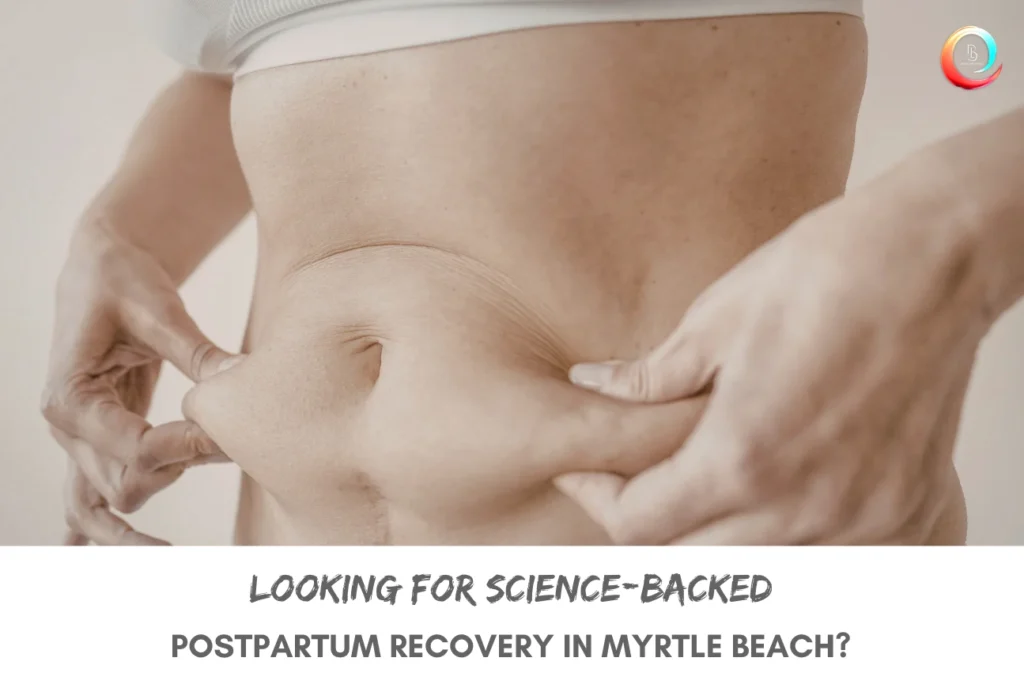
Why Postpartum Wellness Deserves Special Care
The postpartum period is a window of healing. While your recovery is unique, most women benefit from support after pregnancy and birth, including help with:
- Hormonal fluctuations that affect energy, mood, and fluid retention
- Fluid retention and lymphatic congestion
- Fatigue, abdominal muscle recovery, and lower back discomfort
- Skin texture, laxity, and stretch marks
- Emotional exhaustion and low energy
It is a time to rest, rebuild, and refresh, not a time for extreme diets, high-intensity workouts, or harsh, invasive procedures. Your best recovery is gentle and restorative.
Top Postpartum Recovery Solutions and Protocols
These protocols are ideal for pre- and post-natal recovery. We can integrate them into a supportive Postpartum Wellness Protocol personalized for your needs. Here is the “why” and “what” for each:
1. LPG Endermologie and Microvibration Roller (Lymphatic Support)
Why it matters:
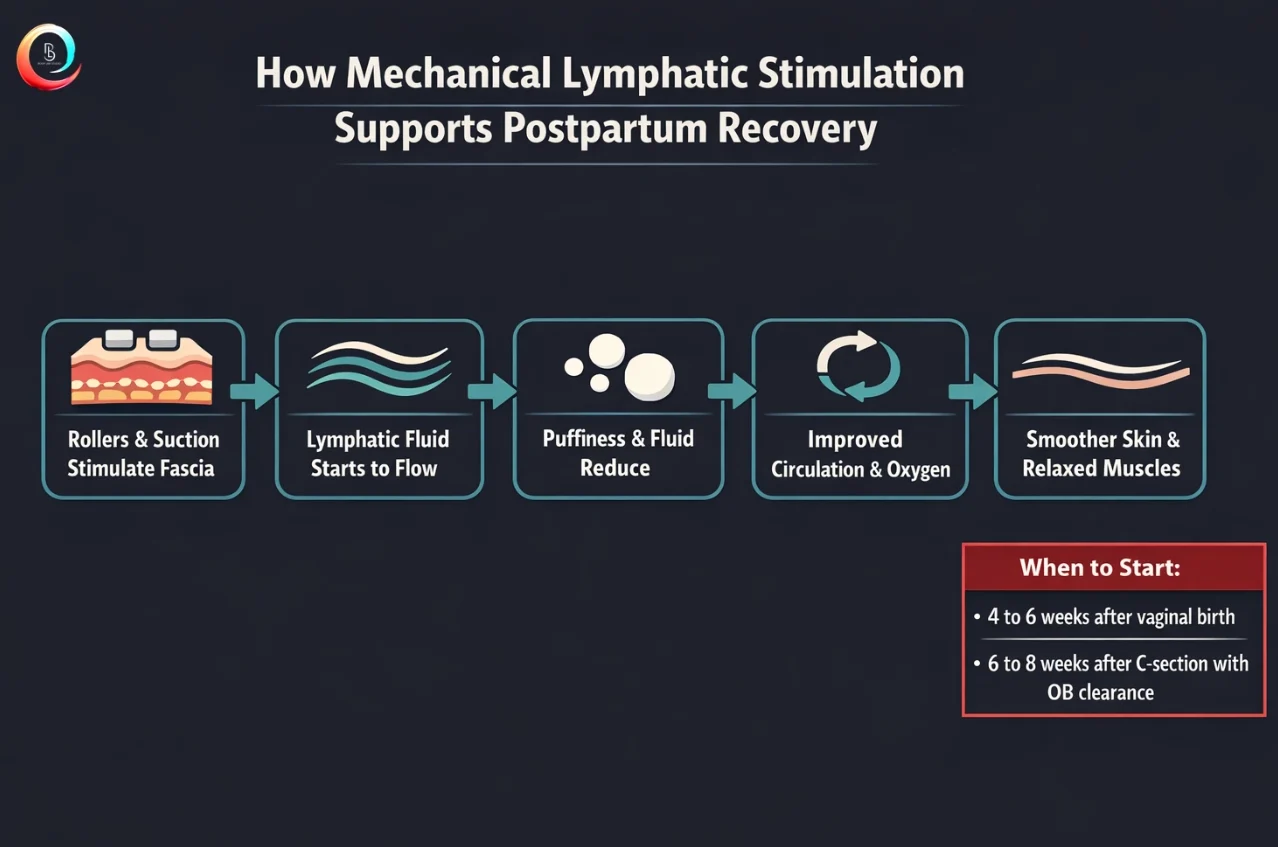
Swelling, puffiness, and stubborn fluid retention after birth often stem from sluggish lymphatic circulation. Your lymphatic system is vital for removing waste and supporting circulation, and pregnancy and childbirth place significant demands on it. At Body Lab Studio, we support lymphatic health through two dedicated mechanical treatments: LPG Endermologie and the Microvibration Roller. Both use advanced technology to gently stimulate lymphatic flow without the need for hands-on manual massage.
LPG Endermologie uses patented motorized rollers and controlled suction to stimulate the skin, fascia, and underlying tissue, mobilizing retained fluid, smoothing the skin, and improving circulation. It is FDA-cleared and used worldwide in wellness and recovery settings.
The Microvibration Roller uses low-frequency mechanical vibrations to stimulate the lymphatic system, break down fibrous tissue, and relieve muscle tension. It complements LPG beautifully as part of a postpartum recovery plan.
Benefits:
- Reduces fluid retention and postpartum puffiness
- Supports circulation and tissue recovery
- Helps relieve muscle tension and discomfort
- Smooths skin texture and supports overall recovery comfort
Start timing: Generally suitable after 4 to 6 weeks for vaginal birth, or 6 to 8 weeks after a C-section with OB clearance. Results vary by individual. Always consult your healthcare provider first.
2. Infrared Wellness
Why it matters:
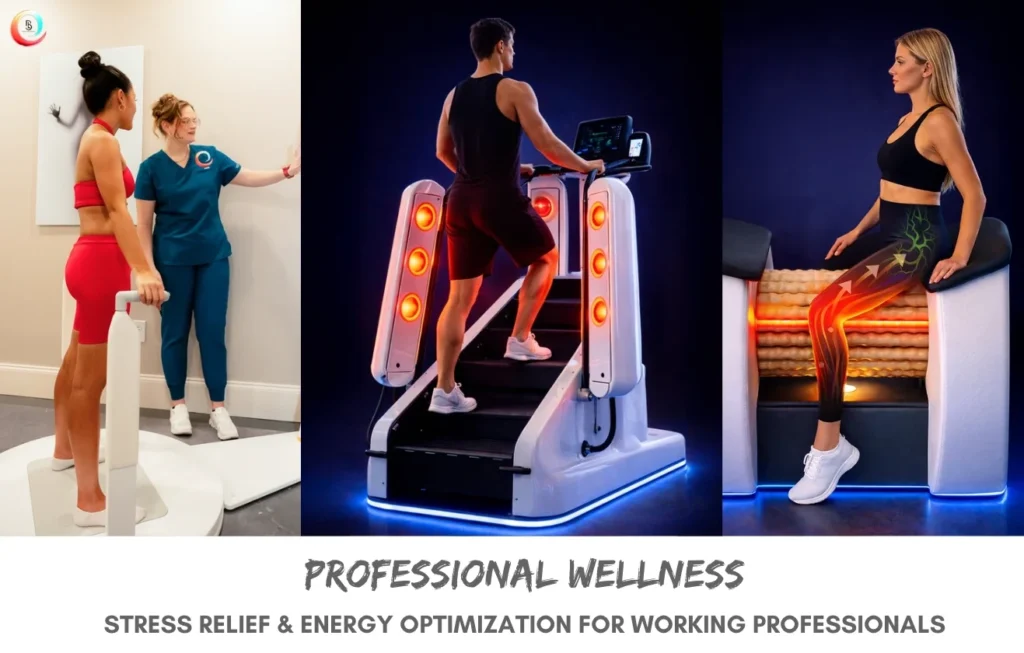
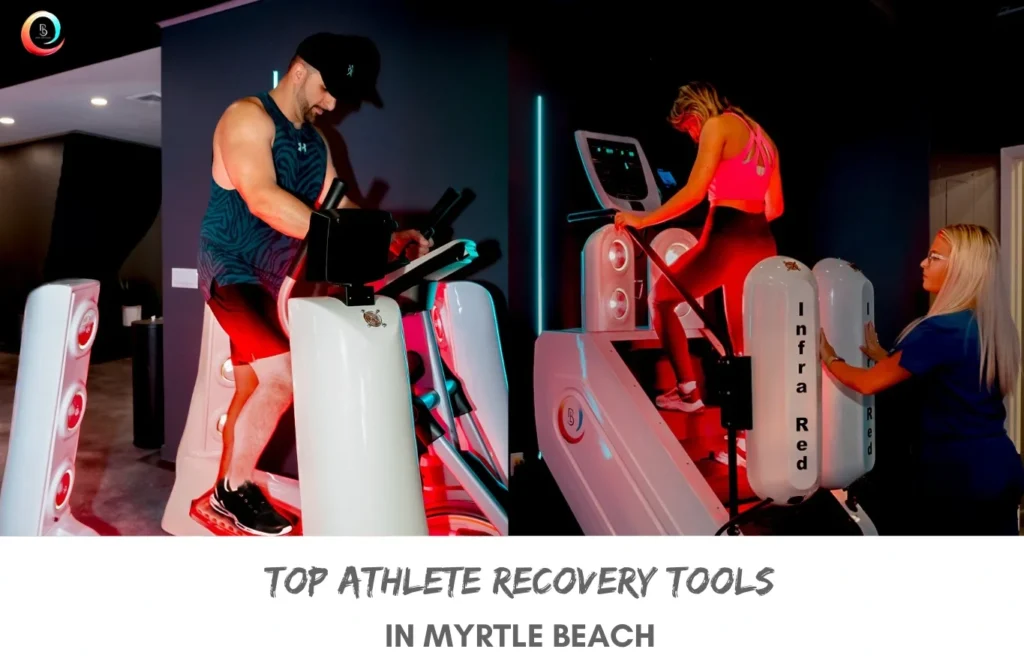
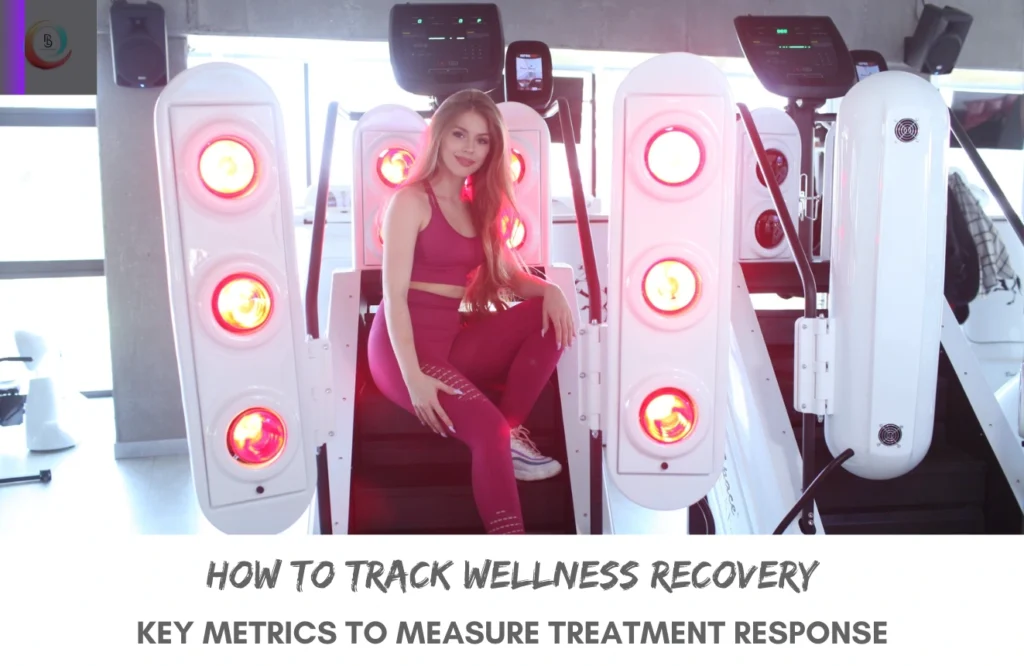
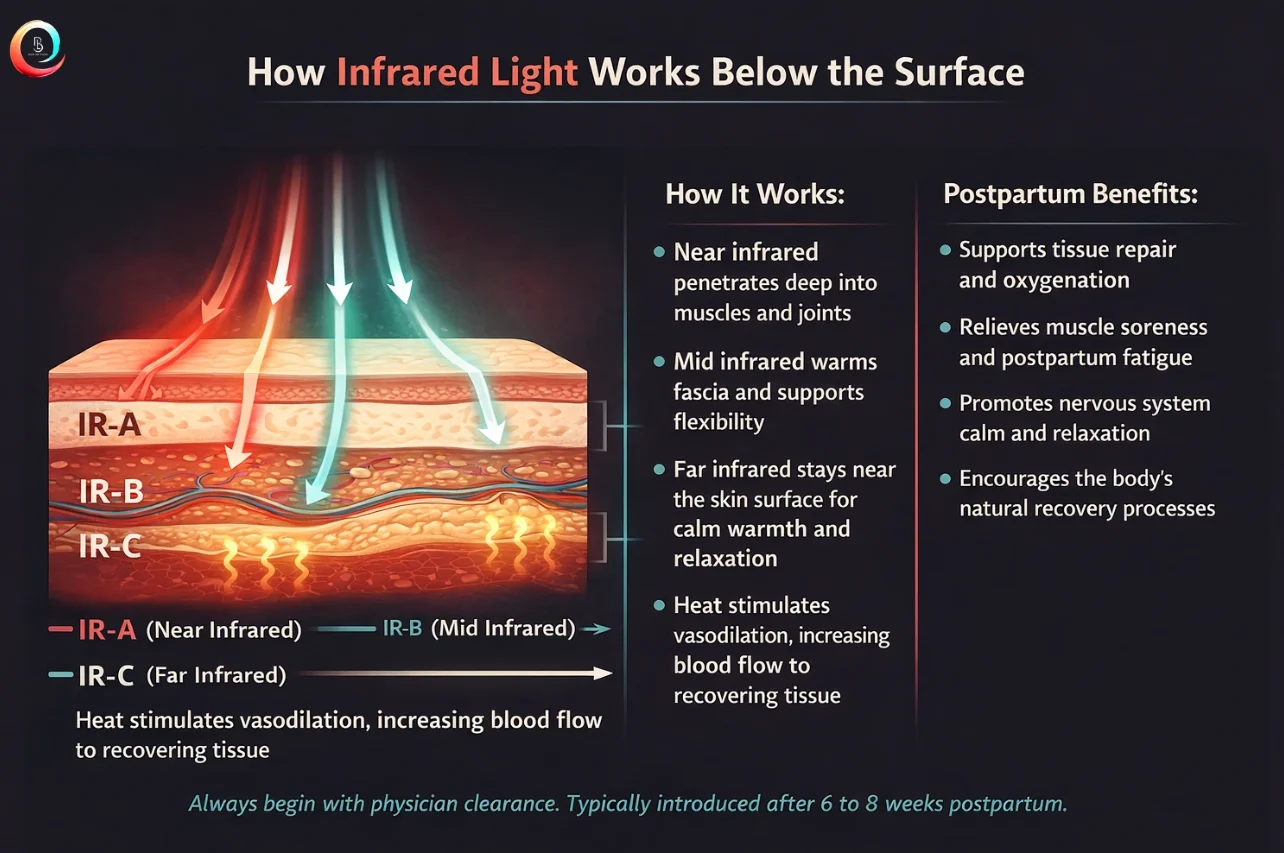
Our infrared pods and wellness sessions deliver deep, soothing warmth that supports circulation, tissue repair, and muscle recovery. The Philips infrared bulbs used at Body Lab Studio emit near, mid, and far infrared wavelengths that penetrate the skin to warm tissues from the inside out, supporting the body’s natural healing processes. This is different from simply sitting in a hot room. The heat is targeted, therapeutic, and works at a cellular level to support recovery.
A randomized trial published in Cureus (Ramesh et al., 2024) found that far-infrared therapy significantly accelerated wound healing and reduced pain in postpartum women compared to standard care, supporting its use as a gentle recovery tool.
Benefits:
- Boosts circulation to support tissue repair and oxygenation
- Relieves muscle soreness and fatigue
- Supports a calm, restorative recovery environment
- Promotes relaxation and nervous system support
Start timing: Typically recommended after 6 to 8 weeks postpartum with physician clearance. Heat-based treatments require individual assessment, particularly in early recovery or for those with heat-sensitive conditions. Consult your OB or midwife before beginning.
3. POLY Red Light Therapy
Why it matters:
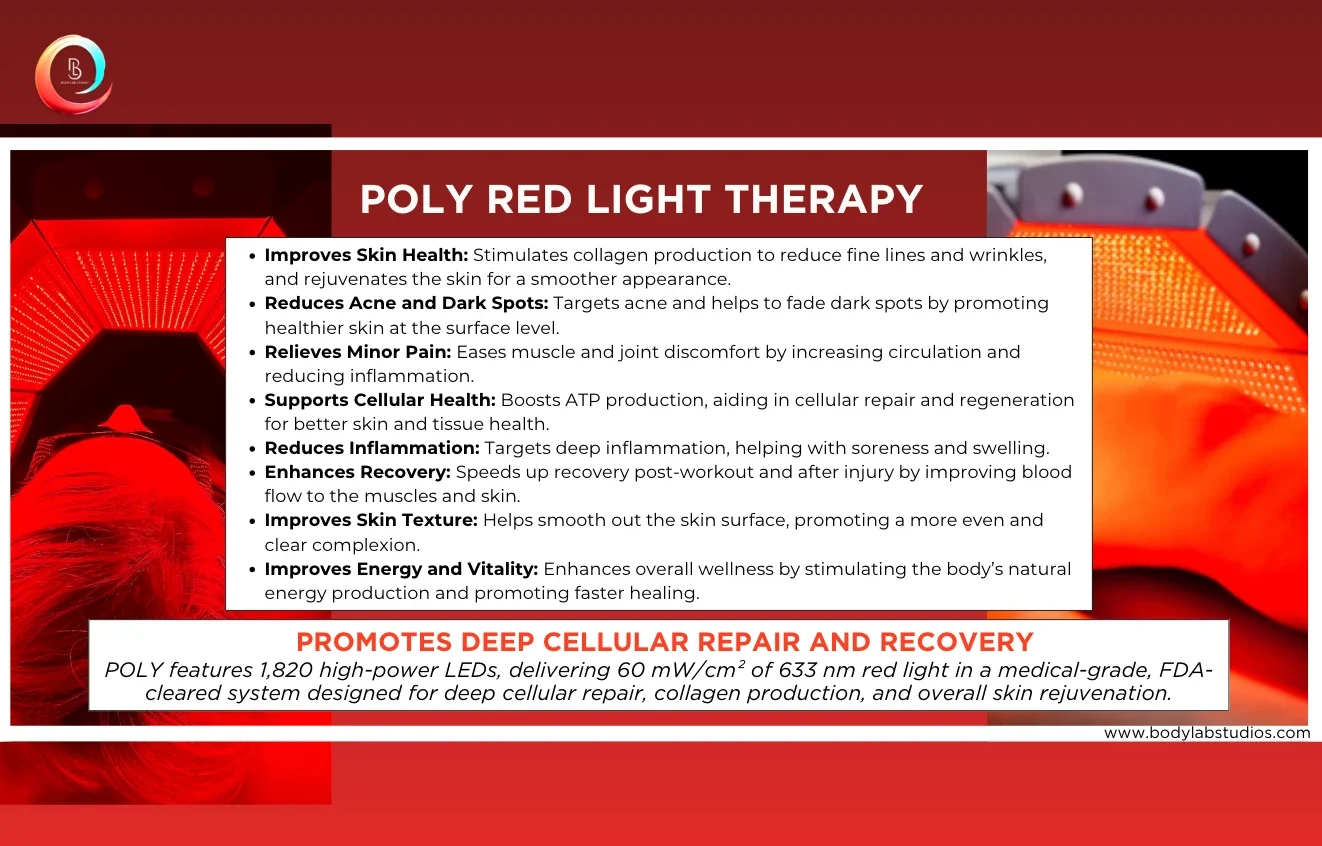
POLY is an FDA-cleared, medical-grade LED light therapy system used at Body Lab Studio. It uses red and near-infrared wavelengths to penetrate the skin and stimulate mitochondrial activity at a cellular level, supporting collagen production, reducing inflammation, and accelerating tissue repair. Red light therapy has a growing body of clinical evidence behind it, particularly for skin rejuvenation and wound healing, making it one of the most accessible and well-tolerated postpartum recovery tools available.
POLY is generally well-tolerated during the postpartum period, including for breastfeeding mothers, when applied to appropriate areas and used with standard precautions. Direct exposure to the breast area is not recommended without specific guidance from your healthcare provider.
Benefits:
- Supports firmer, smoother skin over a series of sessions
- May support the appearance of stretch marks and scar tissue with consistent use
- Reduces inflammation and supports cellular recovery
- May support improved energy and overall sense of well-being (individual results vary)
Start timing: May be introduced as early as 2 to 4 weeks postpartum with OB clearance, making it one of the earliest options in a postpartum recovery plan.
4. EMS Sculpting (with Medical Clearance)
Why it matters:
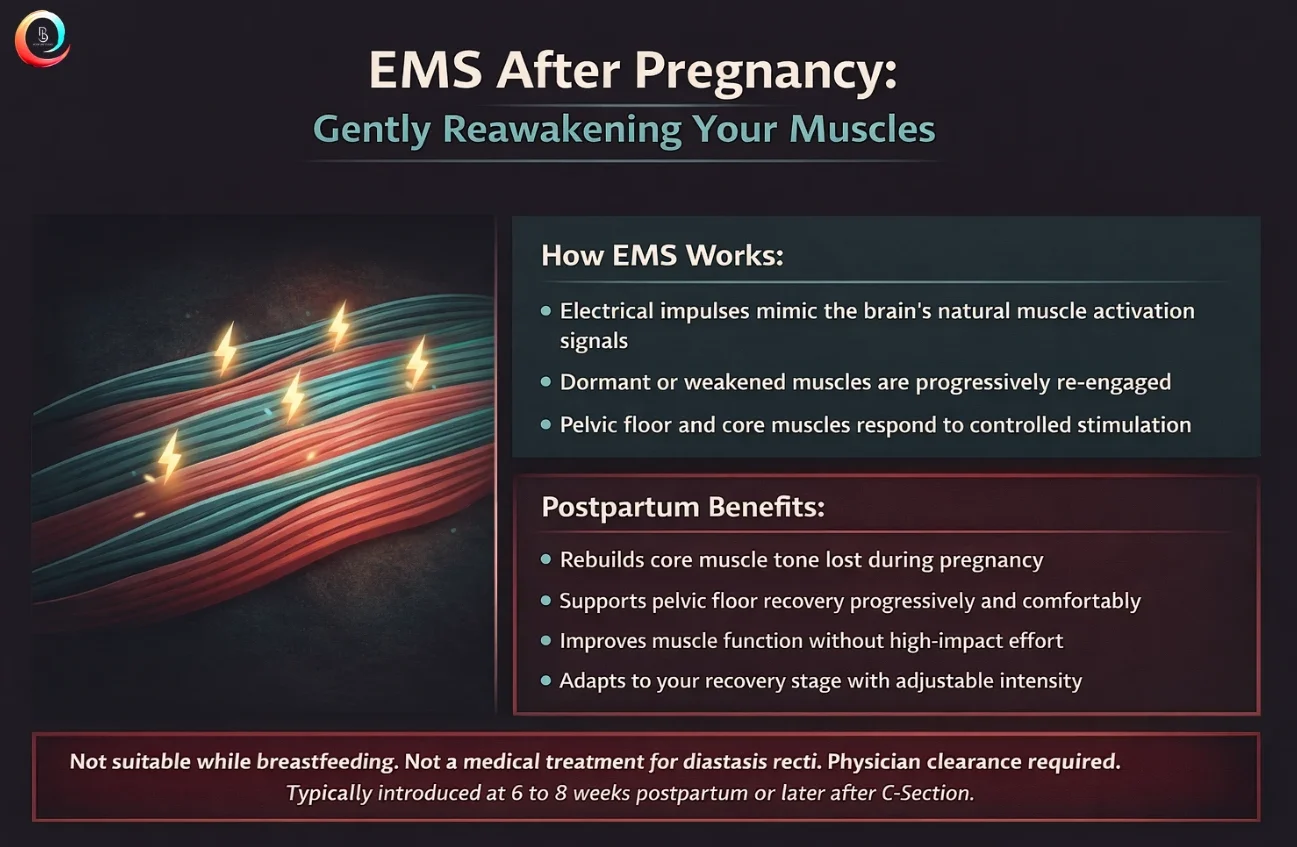
Electrical muscle stimulation (EMS) delivers gentle electrical impulses that stimulate muscle contractions, helping to re-engage core and surrounding muscle groups that may have weakened or disconnected during pregnancy. At Body Lab Studio, our EMS device includes a specialized cushion applicator designed for pelvic floor work, making it a relevant option for postpartum muscle re-engagement when used appropriately and under physician guidance.
A review published in Frontiers in Neurology (Chen et al., 2025) summarizing findings from over 15 controlled studies found that electrical stimulation supports physical function and pelvic-related discomfort in postpartum women, supporting its use as part of a broader recovery plan.
Important note: EMS is not a medical treatment for diastasis recti or pelvic floor dysfunction. If you have a diagnosed condition, please work with your OB, pelvic floor physiotherapist, or specialist first. Our EMS sessions can complement a supervised rehabilitation plan but are not a replacement for clinical care. This treatment is not suitable while breastfeeding. Medical clearance is required before beginning.
Benefits:
- Supports re-engagement of core and pelvic floor muscles after pregnancy
- Helps rebuild muscle tone progressively and comfortably
- Non-invasive and adjustable to your individual recovery stage
- Can be integrated into a broader postpartum wellness protocol
Start timing: Typically recommended no earlier than 6 to 8 weeks postpartum for vaginal birth, and later for C-section recovery. Not suitable while breastfeeding. Physician clearance is required.
5. RF Skin Tightening (with Medical Clearance)
Why it matters:
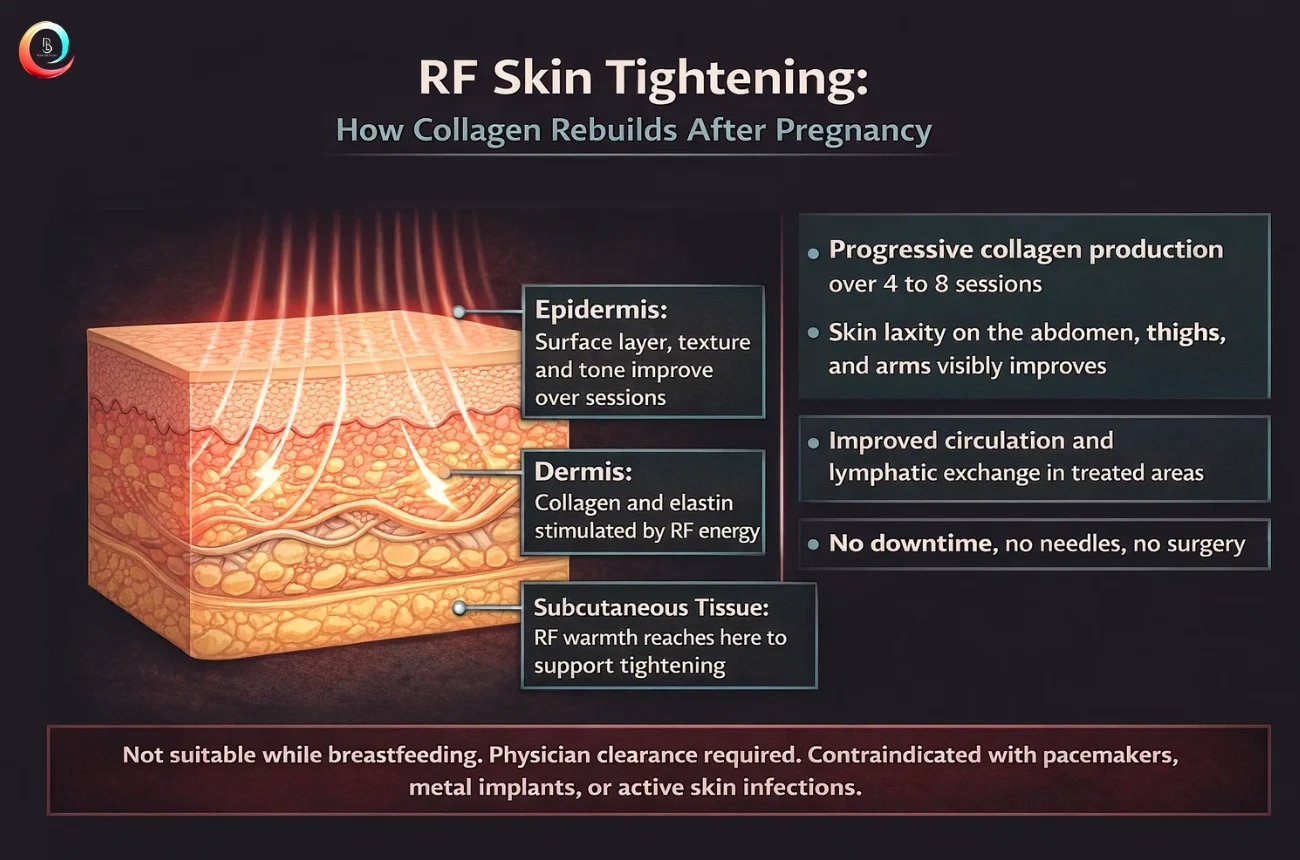
Radiofrequency (RF) uses controlled energy to warm the deeper layers of the skin, the dermis and subcutaneous tissue, triggering collagen production and supporting skin tightening over a series of sessions. For postpartum clients, RF is particularly relevant for addressing skin laxity on the abdomen and other areas where the skin has been stretched during pregnancy. Results build progressively over 4 to 8 sessions and continue to develop in the weeks following a treatment series.
A study in the Journal of Clinical Medicine (Navarro-Brazález et al., 2025) found that RF as part of a multimodal physiotherapy protocol reduced pelvic pain and improved comfort in postpartum women. A randomized controlled trial (Barba et al., 2020) also found that RF reduced perineal pain and improved comfort in postpartum women compared to standard care.
Important note: RF is contraindicated for breastfeeding mothers and for those with certain health conditions including pacemakers, active skin infections, or metal implants in the treatment area. A thorough intake and medical clearance are required before any RF session at Body Lab Studio.
Benefits:
- Supports collagen production and progressive skin tightening
- Helps address mild to moderate skin laxity on the abdomen, thighs, and arms after pregnancy
- Improves circulation and supports lymphatic exchange in treated areas
- Non-invasive with no downtime
Start timing: Typically recommended no earlier than 6 to 8 weeks postpartum for vaginal birth, and later for C-section recovery. Not suitable while breastfeeding. Physician clearance is required.
Moms are experts at juggling everything. We are here to support you with options that work and feel good, not overwhelming. Our team will walk you through a personalized consultation before any treatment begins to make sure every session is appropriate for your stage of recovery.
Common Postpartum Challenges and Solutions
Challenge | Wellness Solution | Suggested Frequency |
Swelling, fluid retention | LPG Endermologie + Microvibration Roller | 1 to 2x per week to start, then maintain |
Muscle fatigue, soreness | Infrared Wellness (with clearance) | 1 to 2x per week |
Skin texture, stretch marks | POLY Red Light Therapy | 1 to 2x per week |
Core and pelvic floor muscle recovery | EMS Sculpting (medical clearance required, not suitable while breastfeeding) | Weekly or biweekly once cleared |
Skin laxity, abdominal tightening | RF Skin Tightening (medical clearance required, not suitable while breastfeeding) | Weekly or biweekly once cleared |
Low energy, mood support | Integrated restorative sessions | Flexible, as recommended at consultation |
Individual results vary. All treatment plans are personalized at consultation. Medical clearance may be required before beginning certain services.
5 Simple Tips for Moms: Supporting Your Recovery Beyond the Studio
Your results don’t stop when you leave your session. What you do between visits shapes how your body responds, heals, and transforms. These five habits are small, sustainable, and designed to work with your body, not against it.
1. Move Gently and Let Your Body Lead
You don’t need a workout to stay active in recovery. Short walks, slow breathing exercises, and light stretching help circulate lymphatic fluid, reduce stiffness, and support the work your sessions are already doing.
Even ten minutes of gentle movement after a treatment can make a measurable difference in how your body feels the next morning. Start with what feels manageable and build from there.
2. Hydrate Consistently and Fuel With Intention
Infrared-based treatments and lymphatic therapies move fluid, release stored metabolic waste, and stimulate circulation. Your body needs water to flush what’s been mobilized.
Aim to drink water consistently throughout the day, not just after sessions. Pairing that hydration with protein-rich whole foods supports tissue repair, reduces inflammation, and keeps your energy stable across the demands of a full day.
3. Ask for Help Without Hesitation
Recovery is not a solo effort. Asking someone to hold the baby, prepare a meal, or take over for an hour is not a luxury; it’s a recovery strategy.
Rest and low-stress environments are when your body does its deepest repair work. Protecting that space is just as important as the sessions themselves. Give yourself permission to receive support.
4. Prioritize Sleep in Whatever Form You Can Get It
Short naps are not a compromise. For postpartum moms especially, fragmented sleep is the reality, and working with it is more productive than fighting it.
Even 20-minute rest periods can reduce cortisol, support hormonal regulation, and help your body consolidate the recovery work from your sessions. When sleep is limited, everything else — including results — takes longer. Rest when you can.
5. Measure Progress, Not Perfection
Recovery is not linear, and transformation rarely follows a schedule. Some weeks will feel like momentum; others will feel like maintenance. Both are valid.
What matters is consistency over time, not perfection in any single day. Each walk, each nap, each glass of water adds up. Progress looks different for everybody, and every step forward is meaningful, even when it’s quiet.
Frequently Asked Questions
1. Are these treatments safe if I am breastfeeding or after a C-section?
It depends on the treatment and your recovery stage. POLY Red Light Therapy is generally well-tolerated postpartum, including for breastfeeding mothers, when applied with standard precautions and away from the breast area. Infrared wellness, EMS, and RF require explicit clearance from your OB, midwife, or physician before starting, especially if you are breastfeeding or had a C-section. We individualize every plan at your consultation.
2. Can I start these programs right away?
Not all treatments are appropriate at the same stage. POLY Red Light Therapy may be suitable as early as 2 to 4 weeks postpartum with OB clearance. LPG and Microvibration Roller support is generally introduced after 4 to 6 weeks for vaginal birth or 6 to 8 weeks after a C-section. Infrared, EMS, and RF require medical clearance and are typically introduced later in the recovery timeline. We will help you map this out at your consultation.
3. Will I notice results?
Many clients notice improvements in comfort, energy, and skin quality within their first few sessions. Full postpartum recovery is a journey, and results vary by individual, treatment type, and frequency of sessions. We support you every step of the way.
4. Why Choose Body Lab Studio for Postpartum Wellness?
Every recovery journey is different. Do not go it alone or guess what is right for you at this stage. At Body Lab Studio in Myrtle Beach, we will build a gentle, personalized postpartum wellness protocol around exactly where you are in your recovery.
From your first consultation to your full protocol, we are with you every step of the way. Whether your goal is reducing puffiness, rebuilding confidence in your skin, or simply feeling more like yourself again, we have the tools and the team to support you.
Book your complimentary postpartum wellness consultation at Body Lab Studio in Myrtle Beach today and take the first step toward recovery that actually fits your life.
- Navarro-Brazález, B., Lorenzo-Gallego, L., Rangel-de la Mata, P., Torres-Lacomba, M., Vergara-Pérez, F., Sánchez-Sánchez, B., and Izquierdo-Méndez, N. (2025). Evaluating the effectiveness of radiofrequency in multimodal physiotherapy for postpartum pelvic pain: The RASDOP protocol. Journal of Clinical Medicine, 14(5), 1489. https://www.mdpi.com/2077-0383/14/5/1489
- Lo Fui Jun, H., Ong, J. J., and Lim, A. Y. (2025). Clinical evaluation of a combination of non-invasive technologies to improve the effectiveness of postpartum abdominal treatment. Journal of Cosmetic Dermatology, 24(7), e70330. Note: This study used HIFEM (High-Intensity Focused Electromagnetic) technology combined with RF. Results may differ from standard EMS devices. https://pmc.ncbi.nlm.nih.gov/articles/PMC12242366/
- Ramesh, S., Dhamankar, Y., and Kumbhar, V. (2024). Effects of far infrared radiation and sitz bath on perineal wound healing and pain in primiparous women undergoing an episiotomy: A randomized prospective parallel arm study. Cureus, 16(8), e67477. https://pmc.ncbi.nlm.nih.gov/articles/PMC11415939/
- Chen, B., Chen, C., Zhao, X., and Xu, Y. (2025). An update comprehensive review on the effects of transcutaneous electrical nerve stimulation for postnatal physical and psychological disorders. Frontiers in Neurology, 16, 1594422. https://www.frontiersin.org/journals/neurology/articles/10.3389/fneur.2025.1594422/full
- Barba, M., Morgado-Carrasco, D., Ishioka, M., and Font, J. (2020). Capacitive-resistive radiofrequency therapy to treat postpartum perineal pain: A randomized controlled trial. PLoS ONE, 15(6), e0231869. https://journals.plos.org/plosone/article?id=10.1371/journal.pone.0231869
- Amjad, I., Shaheen, N., Hassan, S. S., and Malik, A. N. (2024). Effects of manual lymphatic drainage and therapeutic ultrasound on breast engorgement in postpartum women: A randomized controlled trial. https://ctv.veeva.com/study/effects-of-manual-lymphatic-drainage-and-therapeutic-ultrasound-on-breast-engorgement