
Do Not Settle For Textured Skin: Let Us Get Scientific
Many people in Myrtle Beach try serums, masks, facials, peels, and scrubs yet still struggle with rough texture, uneven tone, or small bumps that won’t seem to fade. Skin texture concerns are one of the most common reasons clients visit Body Lab Studio. Surface products can help temporarily, but they don’t always address the underlying processes that influence how skin looks and feels over time.
At Body Lab Studio, we take a deeper, science-informed approach. Red light therapy (photobiomodulation) is a non-invasive treatment designed to support your skin’s natural cellular activity, including processes involved in maintenance and repair.
By working below the surface to support overall skin function, consistent sessions may help improve the appearance of roughness, dullness, and uneven texture, so your skin can look smoother, clearer, and more radiant over time. Results vary based on individual skin type and consistency of treatment.
Behind How Red Light Therapy Works On Skin Texture

Red light therapy, also known as photobiomodulation, uses specific red wavelengths within the visible light spectrum, typically between 620 and 660 nanometers, to deliver targeted light energy to the skin. In professional LED systems, both wavelength and output are precisely controlled to help ensure consistent dosing and repeatable treatment parameters from one session to the next.
One proposed mechanism is that light interacts with cellular photoacceptors involved in energy metabolism, which can influence cell signaling, oxidative stress balance, and inflammatory pathways. These processes matter for skin repair, resilience, and overall skin quality.
Over time, these signaling effects may support healthier-looking texture and tone, particularly when sessions are performed consistently and with appropriate parameters.
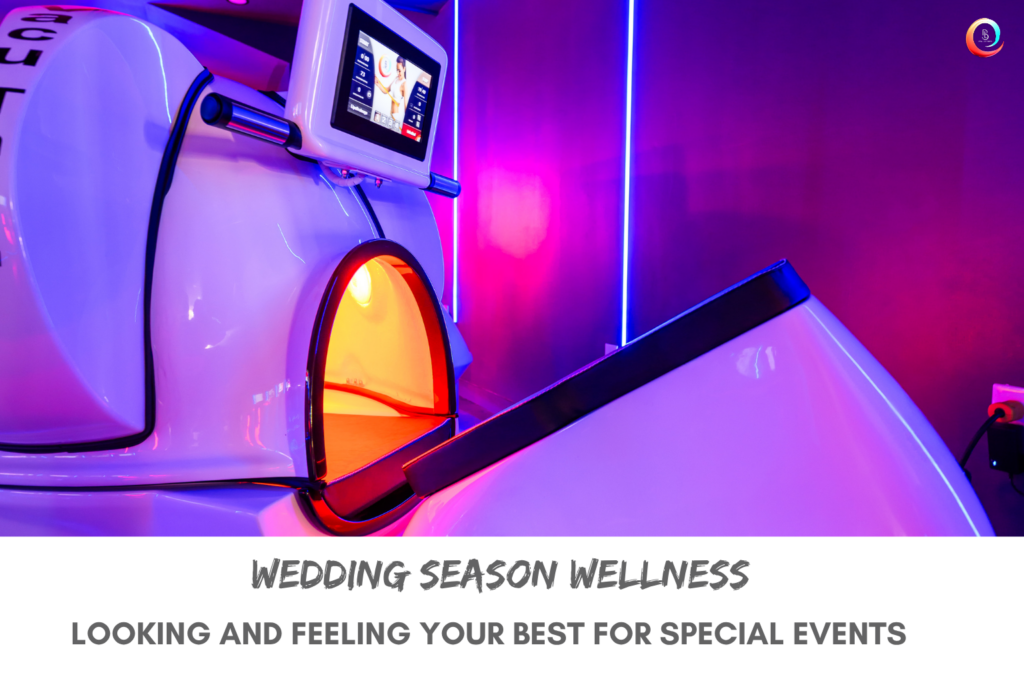
At Body Lab Studio, our POLY red light therapy sessions use 633 nm red LED light, a wavelength commonly used in photobiomodulation for skin-focused treatments. The POLY device is an FDA-cleared Class II system, and we follow consistent, controlled session parameters to support repeatable and standardized treatments.
Results vary by individual, and this service is intended for cosmetic wellness purposes only. It is not a medical treatment and is not designed to diagnose, treat, cure, or prevent specific skin diseases.
Why Red Light Therapy Helps Skin Texture
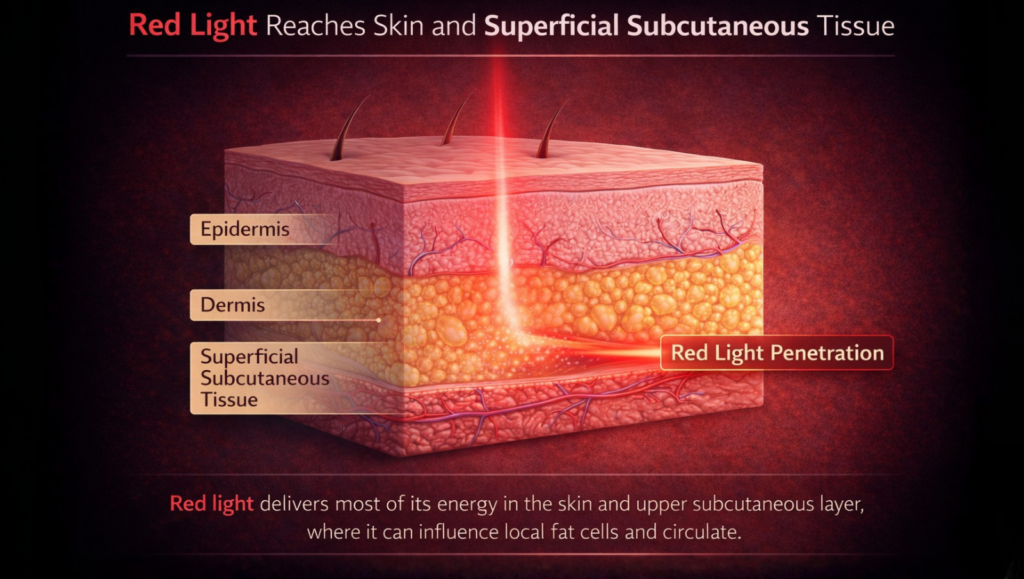
Activates Collagen And Elastin Production
Collagen gives your skin its structure and firmness, while elastin helps it maintain flexibility and resilience. Research on red light therapy, also known as photobiomodulation, suggests it may support fibroblast activity and gradual skin remodeling over time. For some individuals, this can contribute to smoother looking texture and improved overall skin quality when treatments are performed consistently.
In a randomized controlled trial by Wunsch and Matuschka in 2014, 136 volunteers received red and near infrared light treatments twice weekly for a total of 30 sessions. The study reported improvements in skin roughness and wrinkles, along with an increase in measured collagen density using ultrasound imaging. No serious adverse effects were reported during the study period.
It is important to interpret these findings carefully. The research supports collagen related remodeling and appearance changes, but it does not prove a guaranteed increase in elastin or identical results for everyone. Outcomes depend on treatment parameters, baseline skin condition, and consistency over time.
Enhances Cellular Turnover For Smoother Texture
Skin that looks textured or dull can be linked to uneven surface structure and changes in how the skin renews itself over time. Red light therapy, also called photobiomodulation, has been studied in facial rejuvenation settings where researchers measure factors such as surface roughness and dermal density. In some studies, these measurements have shown gradual improvements that are consistent with tissue remodeling over a series of treatments.
In a three-month open clinical study, which was not a randomized controlled trial, 20 women between the ages of 45 and 70 used a 630 nm LED mask twice weekly. Researchers reported progressive improvements in surface roughness and several other measured skin parameters during the study period.
Some of these improvements were observed to persist for a period of time after treatments were completed. Results varied among participants, and outcomes depend on individual skin characteristics and treatment consistency.
Minimizes Inflammation And Redness
Inflammation can contribute to the look of redness and some types of “bumpiness,” depending on the cause (acne, irritation, barrier disruption, etc.). Photobiomodulation is widely discussed in dermatology literature for its anti-inflammatory signaling effects, but outcomes vary by condition and protocol.
For acne specifically, which is different from general skin texture concerns, a randomized controlled study comparing red light and blue light therapy in people with mild to moderate acne found that both treatments reduced lesion counts over the course of the study. The results were described as similar in overall effectiveness.
In that trial, red light was also associated with fewer reported adverse reactions than blue light. As with all acne treatments, individual responses can vary based on skin type, severity, and consistency of care.
Enhances Circulation For A Healthy Glow
Red and near infrared light have been shown in some studies to influence local microcirculation and vascular activity. Improved circulation can support the delivery of oxygen and nutrients to skin tissue, which plays a role in overall skin vitality.
Some people notice a healthy, refreshed appearance after consistent red light therapy sessions, which may be related to these circulatory and cellular effects. Red light therapy may also help support the skin’s natural recovery processes following minor irritation or environmental stress. As with other benefits of photobiomodulation, visible changes vary from person to person and depend on treatment consistency and individual skin factors.
Client Results: See Your Skin Texture Shift
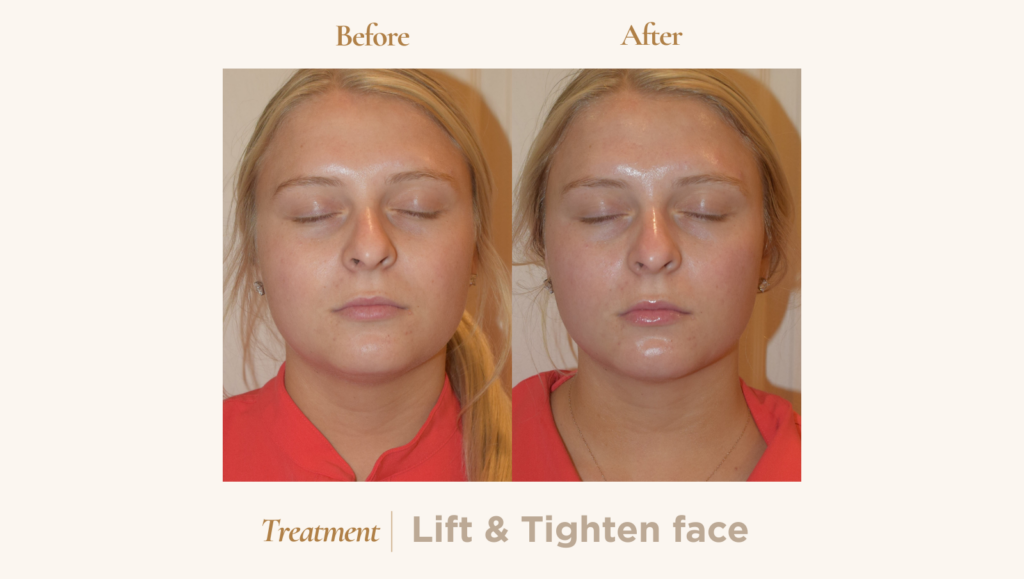
With consistent red light therapy sessions, many clients begin to notice gradual improvements in how their skin looks and feels. While results vary from person to person, common changes reported over time include:
- Skin that feels smoother and more refined
- A firmer appearance as collagen support improves
- Fine lines appearing softer
- A subtle lifted look in areas that once felt less toned
- Reduced visible redness and a more even looking complexion
- A healthy, refreshed glow
Red light therapy works cumulatively. Rather than dramatic overnight changes, it supports steady improvements in skin quality with regular sessions. When combined with personalized treatment planning, these changes can create a noticeable shift toward skin that looks smoother, tighter, and more vibrant.
Layer Red Light Therapy With Other Modern Wellness Modalities
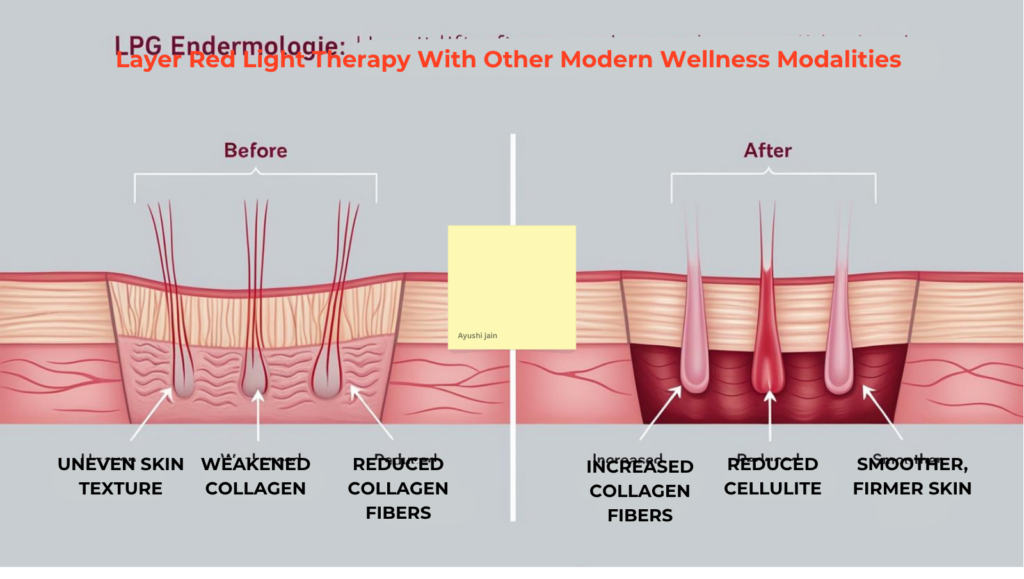
Red light therapy is an excellent standalone investment in your skin’s long-term health, and at Body Lab Studio it also plays a central role in a broader, whole-body strategy. Your skin is not separate from the rest of your wellness. The more we support circulation, detoxification, and recovery, the better your skin can respond.
Depending on your goals, we may layer:
- Infrared wellness sessions may support circulation and overall relaxation, which can indirectly contribute to clearer, healthier looking skin.
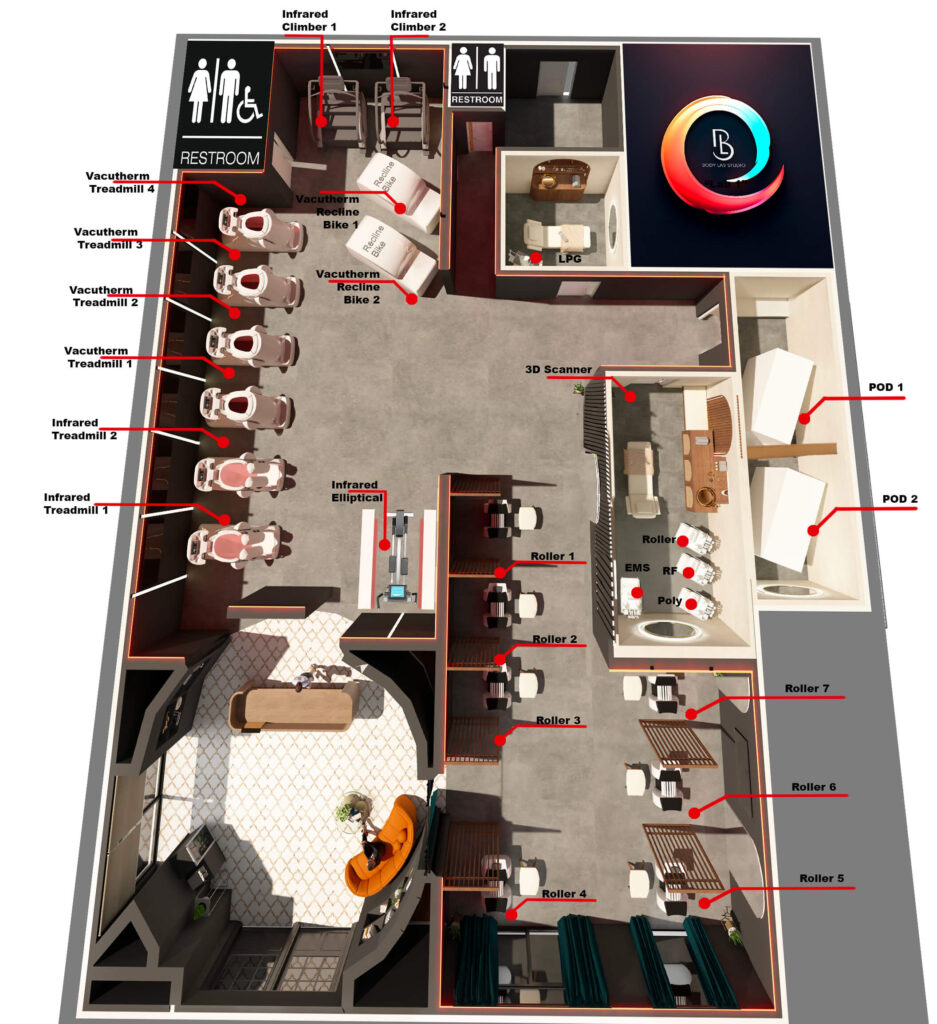
- Lymphatic drainage with body rollers or LPG Endermologie to decrease puffiness, move excess fluid, and support immune and detox pathways that affect skin clarity
- EMS and radiofrequency treatments to firm and tone while supporting collagen remodeling and tissue tightening, complementing the cellular-level benefits of red light
This integrated approach means we are not just trying to make your skin look better. We are helping it work better.
Guide To Structuring Your Skin Renewal Routine
Suggested Routine Framework
Goals | Treatment Frequency | Best Modalities To Layer |
Kickstart texture renewal | 2–3 times per week for the first month | POLY Red Light, Infrared Pod, Lymphatic Drainage with rollers or LPG |
Maintenance and prevention | Once per week on an ongoing basis | Add targeted face or body treatments based on current concerns |
Post-workout or recovery | After exercise or lymphatic drainage sessions | Red Light plus Body Rollers for enhanced circulation and recovery |
Most red light sessions are about 15–30 minutes, are calming, and fit easily into busy schedules. We will guide you on how to adjust frequency over time to maintain gains while respecting your lifestyle and budget.
Curious what results to actually expect?
Book a Free ConsultationReady To Support Your Skin’s Natural Renewal
Smoother, clearer, more resilient skin is absolutely within reach. With regular red light therapy and a supportive, whole-body plan, your skin can begin to look and feel more vibrant, even if you have struggled with texture and dullness for years. You can book a skin consultation, explore the RESET Membership, or experience your first combined red light and infrared session at Body Lab Studio in Myrtle Beach to start seeing and feeling the difference for yourself.
Start with a personalized approach to your skin goals.
You can also explore ongoing treatment options designed to support long-term skin health.
FAQs: Myrtle Beach Red Light Therapy For Skin Texture
1. Can I Use Red Light Therapy on Sensitive or Acne-Prone Skin?
Yes. The red light therapy protocols at Body Lab Studio are designed to be gentle, non-invasive, andi is mostly safe for all skin types, including sensitive, mature, combination, and acne-prone skin.
Clinical research in acne management and photorejuvenation consistently shows that low-level red light is well tolerated, with an extremely low rate of side effects when properly dosed. Rather than irritating the skin, it can help calm inflammation, support healing, and improve overall skin balance.
2. Do I Need Downtime or Will I Peel?
No downtime is required. Red light therapy is a non-ablative treatment, meaning it does not damage or remove the top layers of your skin.
You will experience no peeling, flaking, or sensitivity, and you can immediately return to your daily routine, including applying makeup if you choose.
In clinical LED rejuvenation studies, participants typically report increased comfort, improved hydration, and a smoother skin feel, rather than irritation or redness.
3. When Can I Expect to See Changes?
Results vary by individual, but both clinical studies and client experiences show a consistent timeline. In studies using two to three sessions per week, some participants noticed smoother skin and improved radiance within about four to eight weeks, with further changes over time. Results vary based on individual skin and consistency.
At Body Lab Studio, most clients begin noticing subtle textural and radiance changes after a few weeks of consistent sessions, with more defined results typically becoming visible around the one to two month mark.
4. Why Body Lab Studio Focuses on Science and Transparency
At Body Lab Studio, we prioritize science over hype and personalization over one-size-fits-all approaches. Our commitment includes:
- Evidence-based technologies and parameters grounded in clinical research
- Customized protocols tailored to your skin, health, and goals
- Transparent education so you understand exactly why each step matters
We continuously track your progress, adjust your plan, and remain honest about what light therapy and complementary treatments can achieve so your investment in your skin is both effective and informed.
References
- Wunsch, A., & Matuschka, K. (2014). A controlled trial to determine the efficacy of red and near-infrared light treatment in patient satisfaction, reduction of fine lines, wrinkles, skin roughness, and intradermal collagen density increase. Photomedicine and Laser Surgery, 32(2), 93–100.
PMID: 24286286 • PMCID: PMC3926176 • DOI: 10.1089/pho.2013.3616
https://pmc.ncbi.nlm.nih.gov/articles/PMC3926176/ - Couturaud, V., Le Fur, I., Pelletier, L., & Granotier, C. (2023). Reverse skin aging signs by red light photobiomodulation: A 3-month clinical study. Journal of Clinical and Aesthetic Dermatology, 16(7), 36–45.
PMID: 37522497 • PMCID: PMC10311288
https://pmc.ncbi.nlm.nih.gov/articles/PMC10311288/ - Goldberg, D. J., Amin, S., Russell, B. A., Phelps, R., Kellett, N., & Reilly, L. A. (2006). Combined 633-nm and 830-nm LED treatment of photoaged skin. Journal of Drugs in Dermatology, 5(8), 748–753.
PMID: 16989189
https://pubmed.ncbi.nlm.nih.gov/16989189/ - Baez, F., & Reilly, L. R. (2007). The use of light-emitting diode therapy in the treatment of photoaged skin. Journal of Cosmetic Dermatology, 6(3), 189–194.
PMID: 17760698 • DOI: 10.1111/j.1473-2165.2007.00329.x
https://pubmed.ncbi.nlm.nih.gov/17760698/ - Vinck, E. M., Cagnie, B. J., Cornelissen, M. J., Declercq, H. A., & Cambier, D. C. (2003). Increased fibroblast proliferation induced by light emitting diode and low power laser irradiation. Lasers in Medical Science, 18(2), 95–99.
PMID: 12928819
https://pubmed.ncbi.nlm.nih.gov/12928819/ - Li, J., et al. (2022). Comparison of red light and blue light therapies for mild-to-moderate acne vulgaris: A randomized controlled clinical study. Photodermatology, Photoimmunology & Photomedicine.
PMID: 34981580
https://pubmed.ncbi.nlm.nih.gov/34981580/