Can Light Therapy in Myrtle Beach Support Recovery?
wound healing, and tissue resilience, and how a careful, provider-aligned approach may support your body’s natural recovery processes.
We will cover:
- The basic science of photobiomodulation for tissue support
- What it feels like to add light-based therapy to a recovery plan
- How our structured, adjunctive approach differs from trend-driven spa claims
What Is Involved: Tissue Support with Red Light Therapy
Red light therapy, also known as photobiomodulation (PBM), uses specific visible red wavelengths to deliver light energy to tissue.
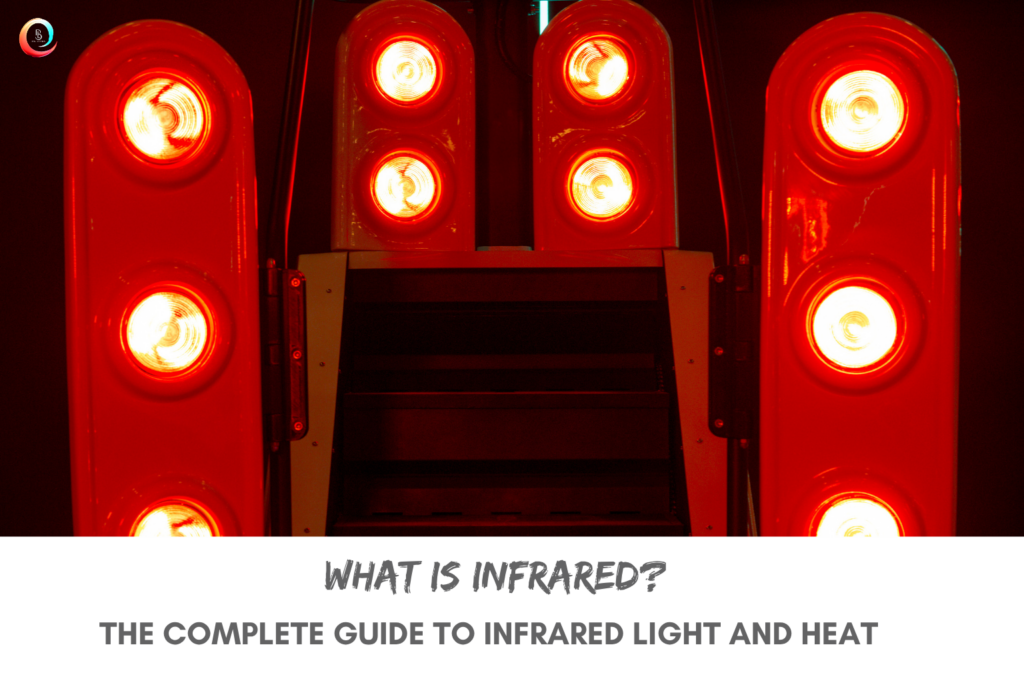
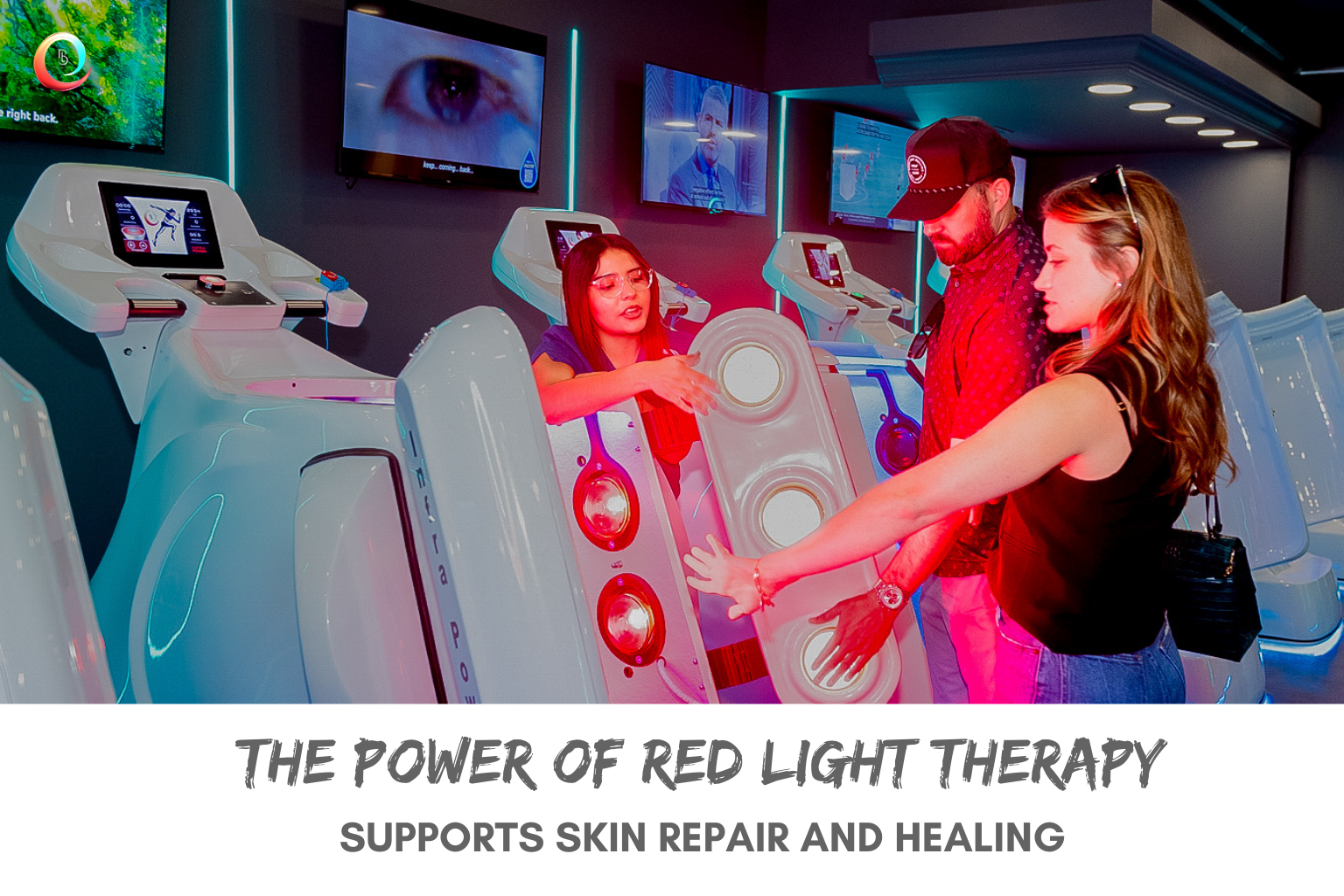
At Body Lab Studio, our POLY Red Light Therapy system delivers 633 nm visible red LED light. The device is FDA-cleared as a Class II medical device for its cleared indications. In our studio protocols, we utilize the 633 nm red-light setting and do not market this service as a broad-spectrum or deep near-infrared (e.g., 850 nm) treatment.
When applied using appropriate parameters, photobiomodulation (PBM) has been shown in laboratory and selected clinical studies to influence cellular pathways involved in tissue response and recovery. Reported effects are dose-, timing-, and tissue-dependent, and PBM is best understood as supportive rather than a standalone treatment for medical conditions.
This includes:
- Support of mitochondrial energy metabolism
- Modulation of inflammatory signaling pathways
- Influence on fibroblast activity and collagen organization
- Support of local microcirculation
These mechanisms may create a supportive environment for tissue that is recovering from injury, surgery, irritation, or strain. PBM is considered adjunctive and works best alongside appropriate medical care.
Exercise is good for you in large part because your body’s response to it is a form of healthy, short-term inflammation. When you push your body, microscopic tears and damage occur in your muscle fibers. This “good stress” triggers a cascade of natural healing processes that repair and strengthen your muscles and make you fitter over time.
However, the same inflammatory process can:
- Cause swelling and pain
- Reduce range of motion and comfortable movement
- Interrupt or delay your next workout
- Interfere with sleep, energy levels, and daily performance
When inflammation is more intense or lasts longer than you want, it can turn a good training plan into a frustrating cycle of soreness and inconsistency. That is where targeted recovery tools, such as red light therapy and infrared-based modalities, can help support your body’s natural healing systems rather than simply masking discomfort.
How Red Light May Influence Inflammation
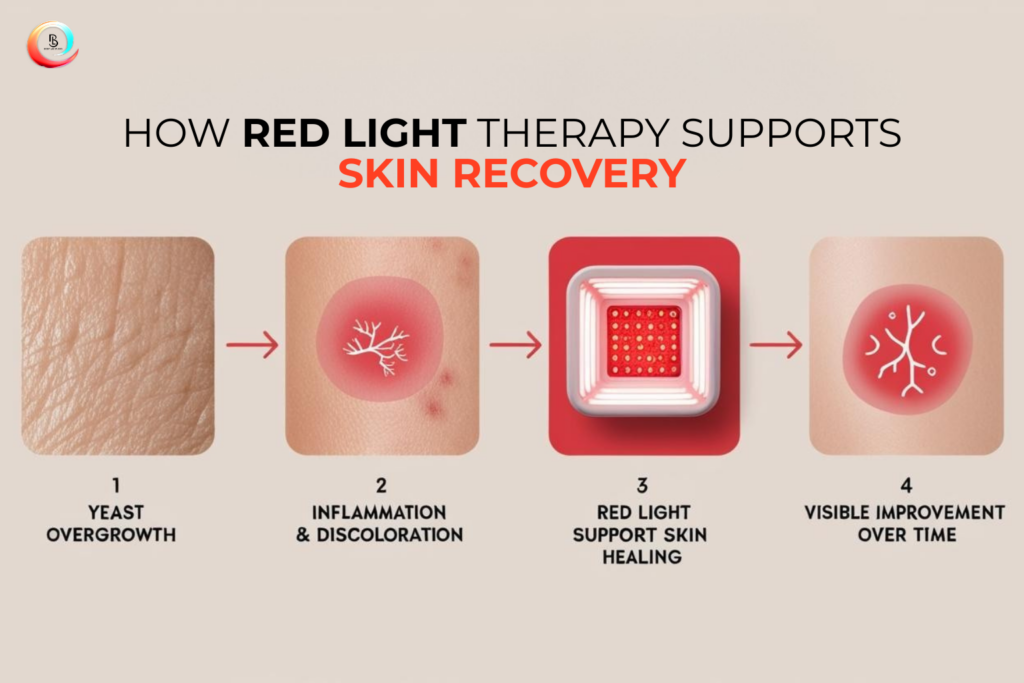
Inflammation plays an essential role in initiating the healing process. However, when it becomes prolonged or poorly regulated, it may contribute to delayed tissue remodeling and prolonged discomfort.
Photobiomodulation (PBM) has been investigated for its potential to influence inflammatory signaling pathways. Some laboratory and clinical studies suggest that appropriately dosed light therapy may help modulate certain inflammatory mediators and support progression through normal phases of recovery.
In specific post-procedure or post-surgical research settings, PBM has been associated with:
- Skin that appears calmer over time
- Tissue that feels less tight or irritated
- Gradual improvement in comfort with movement
Clients may notice, in some cases:
- Reduced discomfort during recovery
- Changes in levels of certain pro-inflammatory cytokines
- Support for functional recovery measures in early rehabilitation phases
Outcomes depend on multiple factors, including overall health status, type and severity of tissue injury, timing of treatment, and treatment parameters. PBM is considered adjunctive and does not replace appropriate medical care.
Supporting Scar Appearance
A split-face randomized controlled trial (PMID: 33788987) evaluated red LED therapy following surgical procedures. The study found improvements in some scar characteristics such as pliability and overall appearance scores at certain doses and time points. Findings were dose-dependent, and not all measured outcomes showed uniform or statistically superior changes.
This means PBM may support aspects of scar quality in some individuals when appropriately dosed, but outcomes depend on protocol, tissue characteristics, and healing variability.
We present red light therapy as a supportive adjunct that may help optimize the remodeling environment. It is not a guarantee of flatter scars or elimination of visible marks.
A Layered, Adjunctive Approach
At Body Lab Studio, we do not rely on a single treatment.
When appropriate, we may combine:
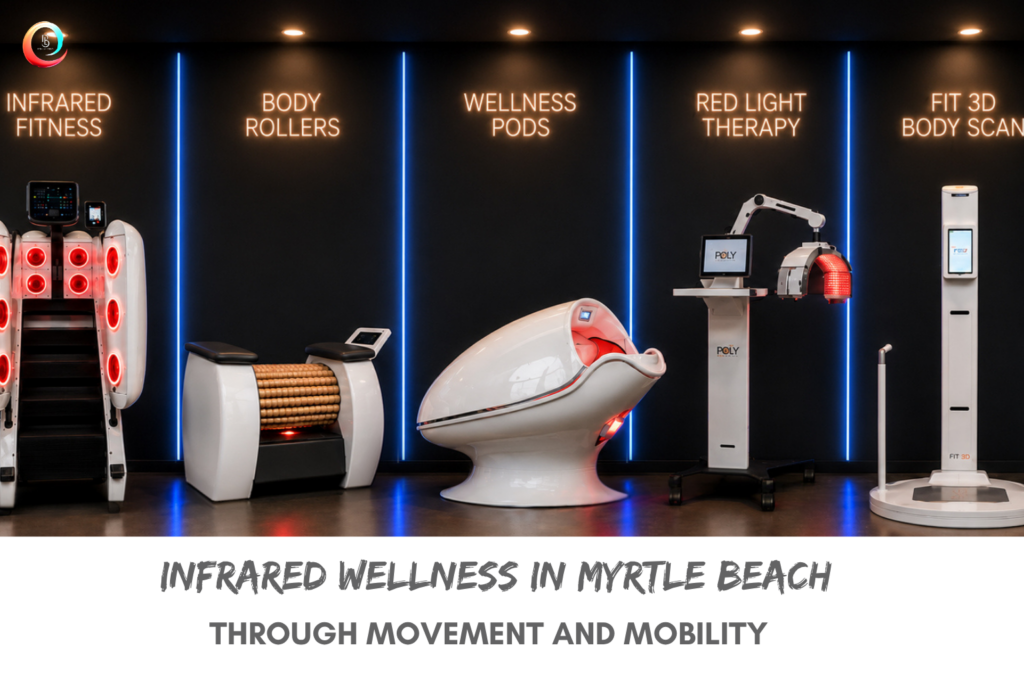
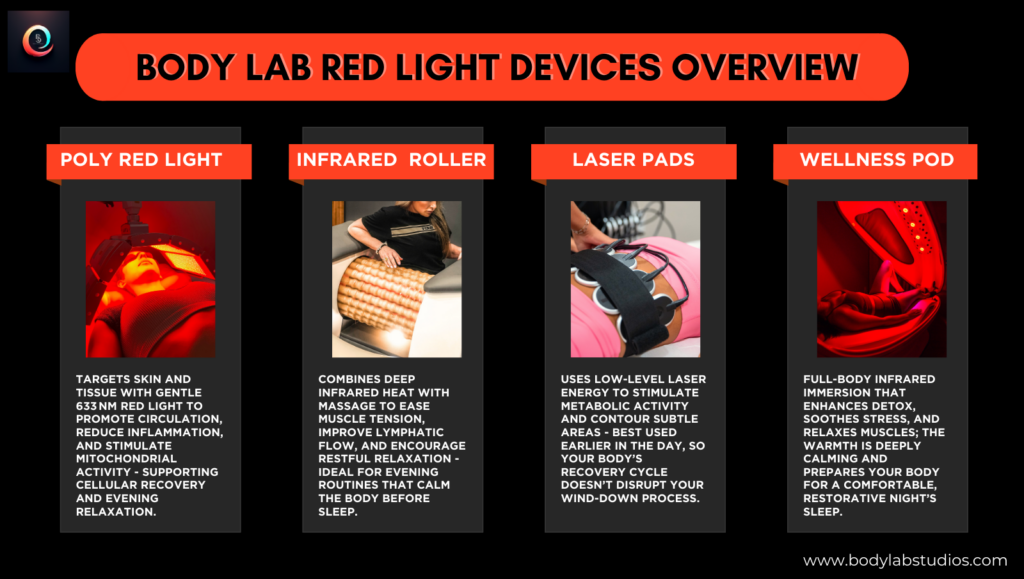
- POLY 633 nm Red Light Therapy for surface-level tissue support
- Infrared wellness pods for thermal circulation support
- Lymphatic drainage modalities to support swelling management and comfort.
- EMS or RF therapies only after primary healing phases and when clinically appropriate
Each recommendation is based on your history, goals, and provider guidance.
What a Session Feels Like
PBM sessions are:
- Non-invasive
- Non-ablative
- Free from cutting or injections
- Generally well tolerated
You may feel mild warmth but not heat damage. Protective eyewear is used when appropriate.
Sessions are typically brief and structured to complement physical therapy, dermatologic care, or post-procedure recovery plans.
Safety, Precautions, and When to Seek Provider Clearance
Before beginning red light therapy, we review your health history to ensure the service is appropriate for you. Additional precautions or provider clearance may be recommended in the following situations:
- Use of photosensitizing medications
- Pregnancy
- History of seizures, epilepsy, or light sensitivity
- Migraines triggered by light exposure
- Suspicious skin lesions or a history of skin cancer
- Active infections or open wounds requiring medical treatment
- Recent surgical procedures without provider clearance
- Implanted electronic devices (particularly if combining services such as EMS or radiofrequency)
Red light therapy is not a substitute for medical care. If you are recovering from surgery, managing a complex wound, or under active medical treatment, we recommend obtaining guidance from your surgeon, dermatologist, or healthcare provider before beginning adjunctive services.
When to Start After Surgery
There is no universal rule for timing. Initiation of PBM after surgery should be determined by your treating provider. Some clinicians recommend waiting until initial wound stability is confirmed. Others integrate PBM earlier under supervision.
At Body Lab Studio, we follow your provider’s guidance rather than applying a standard timeline.
What PBM Can and Cannot Do
It is important to set realistic expectations.
What PBM Can and Cannot Do
- Tissue comfort
- Local circulation
- Collagen organization
- A favorable healing environment
PBM does not:
- Replace sutures or surgical repair
- Substitute for antibiotics or wound care
- Treat infections
- Eliminate scars completely
- Guarantee faster healing
It is best viewed as a supportive adjunct within a broader recovery plan.
Our Science-Guided Approach
We focus on:
- Evidence-aligned protocols
- Conservative claims
- Adjunctive integration with medical care
- Transparent education
We do not promise outcomes. We provide structured support.
Support Your Body’s Natural Healing Process
Your body has intrinsic repair capacity. Carefully dosed red light therapy may support that process when used responsibly and in coordination with appropriate medical care.
If you are considering red light therapy Myrtle Beach services for tissue recovery, schedule a consultation to determine whether adjunctive PBM fits safely within your recovery plan.
Frequently Asked Questions
1. Will I Still Need Medical Treatment?
Yes. PBM does not replace medically necessary care. It may be used alongside standard wound management, physical therapy, or dermatologic treatment when approved by your provider.
2. How Long Until I Notice Changes?
Some individuals report changes in comfort within days. Structural remodeling, such as collagen reorganization, occurs gradually over weeks to months. Results vary.
3. Is It Safe for Everyone?
Most individuals tolerate red light therapy well, but proper screening and provider coordination are essential for certain conditions.
Nguyen, J. K., Weedon, J., Jakus, J., Heilman, E., Isseroff, R. R., Siegel, D. M., et al. (2021). Light emitting diode red light for reduction of post surgical scarring: Results from a dose ranging, split face, randomized controlled trial. Lasers in Surgery and Medicine, 53(2), 244–253.
https://pubmed.ncbi.nlm.nih.gov/33788987/
Langella, L. G., Casalechi, H. L., Tomazoni, S. S., Johnson, D. S., Albertini, R., Pallotta, R. C., et al. (2018). Photobiomodulation therapy on acute pain and inflammation in patients who underwent total hip arthroplasty: A randomized, triple blind, placebo controlled clinical trial. Lasers in Medical Science, 33(9), 1933–1940.
http://dx.doi.org/10.1007/s10103-018-2558-x
Azevedo, A. S., Reis, M. d. S., Silva, J. R., Lima, R. P., Pinto, R. A., & Sousa, A. J. (2024). Photobiomodulation using red and infrared spectrum light emitting diode for the healing of foot ulcers: A controlled randomized clinical trial. Lasers in Medical Science, 39(1), 45–55.
https://pubmed.ncbi.nlm.nih.gov/39382587/
Son, Y., & Kang, J. (2025). Effects of photobiomodulation on multiple health outcomes: An umbrella review of randomized clinical trials. Systematic Reviews, 14, 160.
https://systematicreviewsjournal.biomedcentral.com/articles/10.1186/s13643-025-02902-3
Silva, F. A., Oliveira, L. M., Pereira, G. M., Santos, A. C., Carneiro, F. S., & Gomes, R. F. (2025). Photobiomodulation as a modulator of collagen remodeling in skin: Experimental evidence and clinical perspectives. Lasers in Medical Science, 40(2), 351–364.
https://pubmed.ncbi.nlm.nih.gov/40789786/
Mayo Clinic Staff. (2023). Low level laser and light therapy for pain and tissue healing. Mayo Clinic.
https://www.mayoclinic.org/healthy-lifestyle/consumer-health/expert-answers/low-level-laser-therapy/faq-20459216