Why Getting Good Sleep Is So Hard and So Important
Getting high-quality sleep should feel natural. Yet for many people, rest becomes harder over time. Stress accumulates. Muscles stay tight. The nervous system struggles to slow down. Even when you are exhausted, your body may feel wired and unable to fully relax.
At Body Lab Studio in Myrtle Beach, we see this pattern often. Clients come in not only looking for recovery or body care, but also searching for ways to feel calmer, sleep deeper, and wake up feeling restored. Infrared and red light wellness services have become a powerful part of that conversation.
Infrared therapy is not a sleep medication or a cure for insomnia. Instead, it works by supporting the conditions that allow the body to rest more easily. Through gentle heat and targeted light exposure, infrared sessions can help the body relax, release tension, and move toward a calmer physiological state that supports better sleep.
This guide explains how infrared and red light wellness services at Body Lab Studio may support sleep, what the science suggests, how to use these sessions safely, and how to build a realistic routine that fits your lifestyle.
What Is Infrared Therapy and How Does It Work?
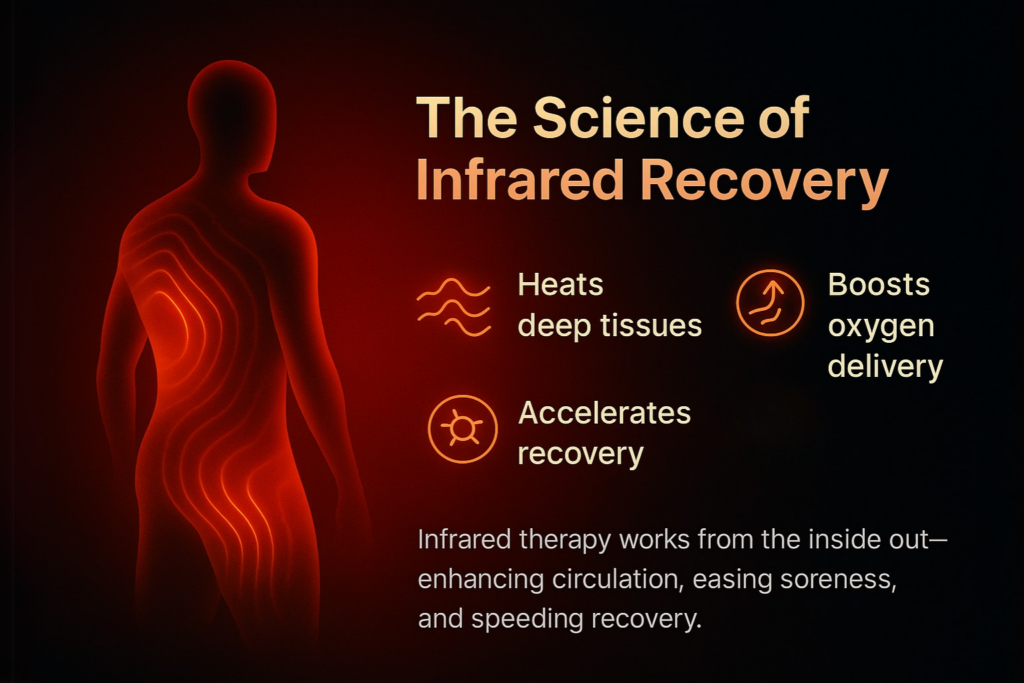
Infrared therapy uses radiant heat and specific light wavelengths to warm the body in a controlled and comfortable way. Unlike traditional hot air environments, infrared energy heats the body more directly, which many people find easier to tolerate.
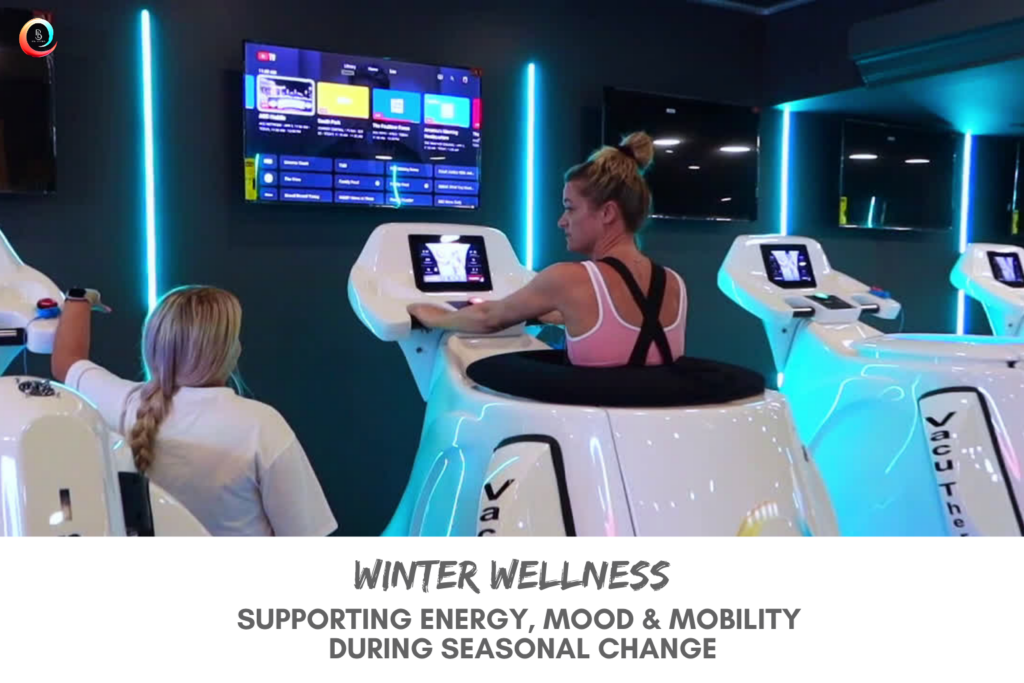
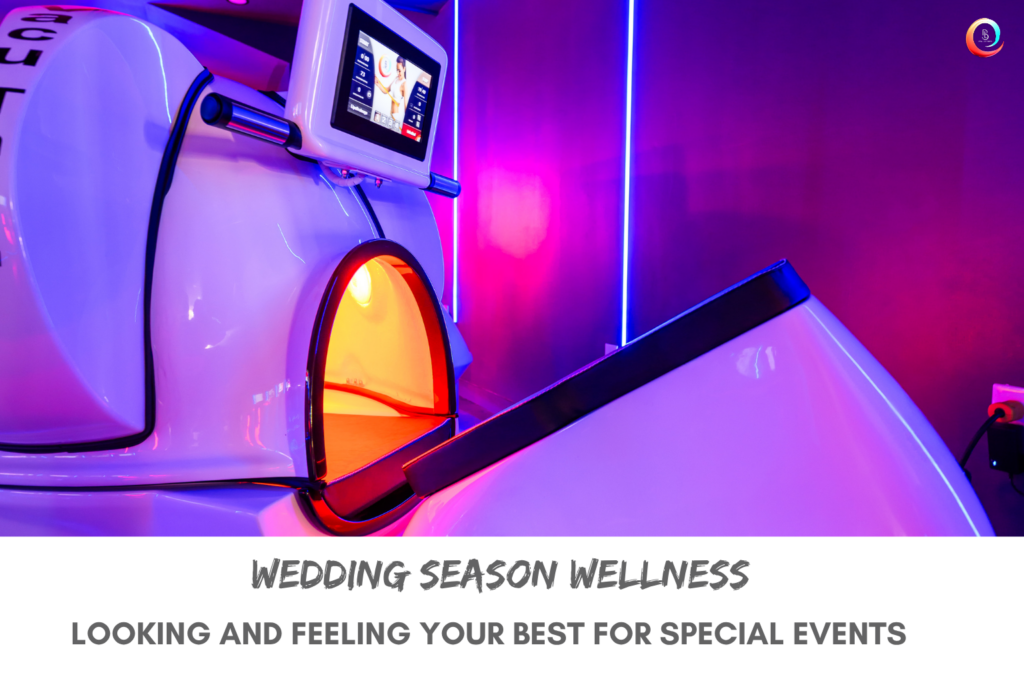
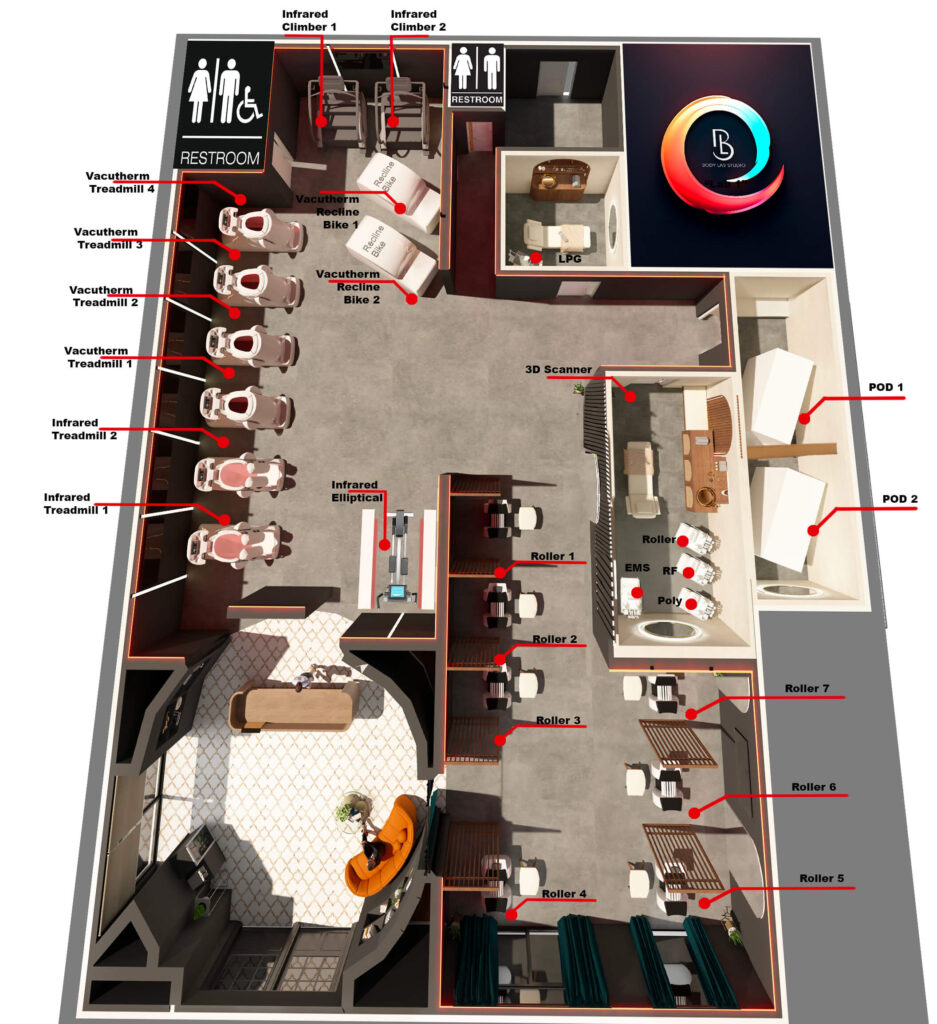
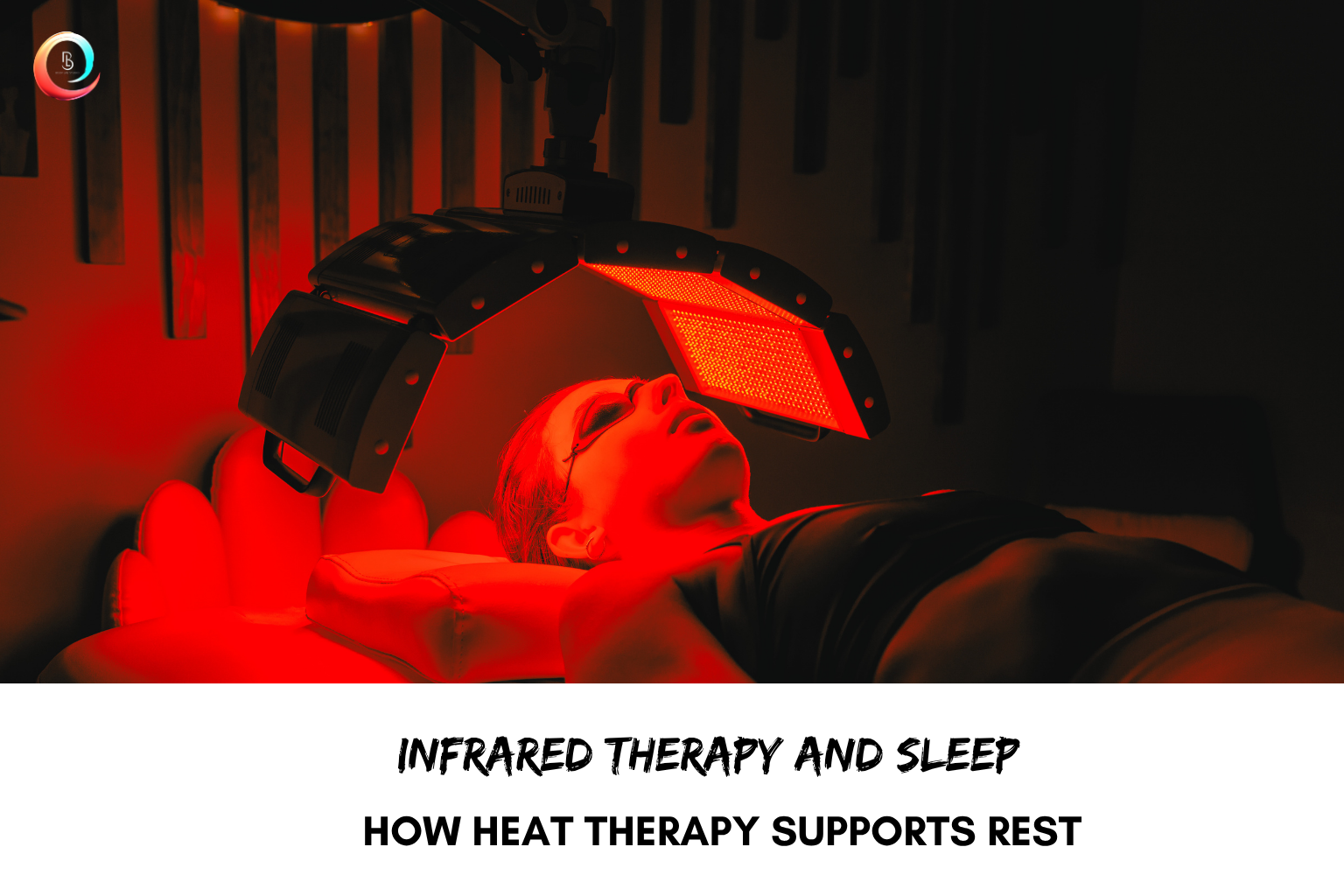
At Body Lab Studio, infrared is delivered through structured wellness experiences such as infrared pods and infrared fitness based equipment, as well as red light therapy sessions using POLY technology. Each option offers a slightly different experience, but they share the same goal of supporting relaxation, circulation, and recovery.
Infrared wellness sessions are designed to feel soothing rather than overwhelming. Temperatures and durations are carefully managed, and sessions are supervised to ensure comfort and safety.
These services are positioned as supportive wellness tools. They are not medical treatments, and they are not intended to diagnose or treat sleep disorders.
How Infrared Therapy May Benefit Sleep and Relaxation
Calming the Nervous System
Infrared therapy may help support relaxation by gently warming the body and promoting smoother blood flow. This has been associated with calming the nervous system, reducing the “fight or flight” responses, and shifting the body into a more relaxed state. A calmer nervous system can make falling asleep easier, particularly for those dealing with anxiety or mental tension that disrupts rest.
Research suggests that infrared light may help reduce neuroinflammation and influence brain networks involved in mood regulation as well. This has the potential to ease mental tension and enhance relaxation, providing a natural support system for those who struggle with falling asleep.
Supporting Healthy Temperature Regulation
A natural drop in core body temperature at night is an essential trigger for sleep onset. Infrared therapy can gently raise your core temperature earlier in the evening, and as your body cools down afterward, it may support the body’s natural cooling signal that promotes sleep.
Studies on heat loss and sleep show that this warming and cooling cycle can encourage deeper, restorative sleep. At Body Lab Studio, we offer infrared therapy in a way that works with your body’s natural rhythms, helping support a more effective sleep cycle.
Ready to sleep better with heat therapy?
Start the ConversationInfrared and Red Light Therapy for Better Sleep
Infrared and red light therapies work at the cellular level to support relaxation, improve circulation, and promote the release of endorphins and other molecules that contribute to relaxation. Red light in particular has been shown to have a more favorable impact on melatonin levels compared to blue light, which is important for supporting healthy sleep cycles.
Infrared light and red light therapy are integrated into our offerings at Body Lab Studio to help promote these beneficial effects, potentially leading to improved sleep quality and a more restful night’s sleep.
Relaxing Muscles and Easing Discomfort That Disrupts Sleep
Lymphatic Drainage, Infrared, and Deeper Rest
The lymphatic system relies on movement and circulation to function effectively. When fluid movement becomes sluggish, people may feel heavy, puffy, or uncomfortable, particularly later in the day.
Gentle heat and circulation support may help encourage temporary fluid shifts. Some clients report feeling less congested or less stiff after infrared sessions.
At Body Lab Studio, infrared wellness services are often paired with body rollers or lymphatic focused treatments for clients seeking enhanced comfort. These services are positioned as supportive wellness experiences rather than detoxification treatments.
Language around toxins or waste removal is avoided. The focus remains on comfort, circulation, and relaxation.
Incorporating Infrared Therapy into Your Sleep Routine
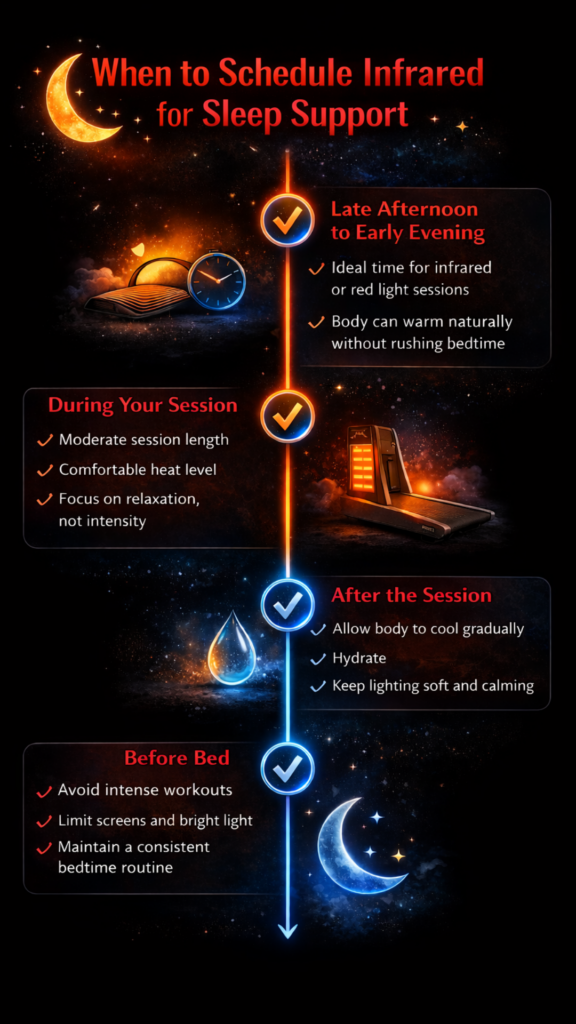
There is no single schedule that works for everyone. Sleep support routines should be personalized based on lifestyle, stress levels, and tolerance.
A common starting approach may include:
- Two to three infrared or red light sessions per week
- Sessions scheduled in the late afternoon or early evening
- Session lengths around 30 minutes, adjusted for comfort
- Adequate hydration before and after sessions
- A calm wind down period following the session
Consistency is more important than intensity. Gentle, regular exposure is often more effective than occasional long sessions.
Our team reviews your health history and comfort preferences before recommending a routine.
What Results Can You Expect from Infrared Therapy at Body Lab Studio?
Clients who integrate infrared and red light sessions into their weekly routine often report:
- Falling asleep more quickly and staying asleep longer.
- Less body tension, soreness, and discomfort, making it easier to relax at bedtime.
- Fewer awakenings during the night, leading to a more restful and uninterrupted sleep.
- Feeling more refreshed and stable in mood the next day, thanks to improved sleep quality.
These benefits are consistent with research on the positive effects of infrared and red light therapy for sleep and recovery. While individual responses can vary, many people experience noticeable improvements in their sleep quality and overall wellbeing.
Frequently Asked Questions about Infrared Therapy and Sleep
1. How Long Does It Take to Notice Sleep Benefits from Infrared Therapy?
Many people feel immediate relaxation after their first session. However, noticeable improvements in sleep may take a week or two of regular use. Research suggests that benefits accumulate with consistent exposure.
2. Can I Use Infrared Therapy Instead of Other Sleep Remedies or Medications?
Infrared therapy is a supportive tool that works best in combination with healthy sleep habits and other treatments prescribed by your healthcare provider. It should not be viewed as a replacement for medical treatments or behavioral strategies for insomnia.
3. Is Infrared Therapy Safe for Most People?
Infrared sessions at Body Lab Studio are non-invasive, supervised, and generally well-tolerated. However, individuals who are pregnant, have photosensitivity, active cancer, or certain cardiovascular conditions should consult with a healthcare provider before using infrared therapy.
Ready to Experience Infrared Therapy for Better Sleep?
If you’re ready to improve your sleep, reduce discomfort, and enhance your recovery, infrared therapy at Body Lab Studio in Myrtle Beach can help. Whether you’re dealing with stress, chronic fatigue, or simply seeking a better night’s sleep, our team will create a personalized plan tailored to your needs.
Book a consultation or schedule your first session today to experience the benefits of infrared and red light therapy. By incorporating these therapies into your routine, you can support better sleep, feel more rested, and improve your overall quality of life.
References
Chen, S. C., Cheung, T. W., Yu, B. Y. M., Chan, M. Y., Yeung, W. F., & Li, L. (2023). Improving sleep with far infrared emitting pajamas: A pilot randomized controlled trial. International Journal of Environmental Research and Public Health, 20(5), 3870. This pilot randomized controlled trial enrolled 40 adults with self-reported sleep disturbances over a 6-week period and found that both far infrared emitting and sham pajamas improved subjective sleep quality. The far infrared pajamas showed small but favorable effects on physical fatigue, with good safety and adherence, supporting the feasibility of infrared-based sleep interventions. https://www.mdpi.com/1660-4601/20/5/3870
Kashiwagi, S., Iwata, T., Hara, H., & Takahashi, H. (2023). Photobiomodulation and nitric oxide signaling. Redox Biology, 54, 102358. This mechanistic review synthesizes findings from numerous animal and human experiments conducted over days to weeks and shows that red and near infrared light can release nitric oxide from cytochrome c oxidase and other stores, enhancing vasodilation, blood flow, and tissue oxygenation, mechanisms that may underlie relaxation, pain relief, and improved readiness for sleep after infrared or red light exposure. https://pubmed.ncbi.nlm.nih.gov/36462596/
Keszler, A., Lindemer, B., Mangel, A. W., & Brame, C. J. (2022). In vivo characterization of a red light activated vasodilation: A photobiomodulation study. Frontiers in Physiology, 13, 880158. In this in vivo study of 18 human volunteers and complementary animal work, researchers applied 670 nm red light for up to 30 minutes and observed significant local vasodilation and increased nitric oxide related species in treated muscle compared to control, supporting the idea that red light can directly relax blood vessels and promote circulation that may contribute to physical relaxation before sleep. https://pubmed.ncbi.nlm.nih.gov/35586710/
Kräuchi, K., Herberger, S., Lederer, K., & Wirz Justice, A. (2024). Enhanced conductive body heat loss during sleep increases slow wave sleep and calms the heart. Scientific Reports, 14(1), 53839. This three center study followed 72 adults over two experimental nights with and without a high heat capacity cooling mattress and found that enhancing conductive heat loss during sleep increased slow wave sleep by several minutes per 7.5 hour night and reduced heart rate, suggesting that supporting the natural overnight temperature decline can deepen restorative sleep. https://pubmed.ncbi.nlm.nih.gov/38409133/
Mason, A. E., et al. (2025). Optimizing an integrated mind and body treatment for insomnia: The SLEEPS Study 2 (clinical trial protocol). University of California, San Francisco. This ongoing interventional trial aims to enroll approximately 40 adults with insomnia over a 9 week treatment period and tests whether adding passive body heating via an infrared sauna blanket to digital cognitive behavioral therapy for insomnia can further reduce sleep onset latency and improve sleep quality compared with cognitive behavioral therapy alone, based on evidence that pre sleep heating followed by a cooling phase supports sleep initiation. https://clinicaltrials.ucsf.edu/trial/NCT07036705
Salehpour, F., Mahmoudi, J., Kamari, F., Sadigh Eteghad, S., Rasta, S. H., Hamblin, M. R., & Farajdokht, F. (2018). Brain photobiomodulation therapy: A narrative review. Molecular Neurobiology, 55(8), 6601–6636. This narrative review summarizes dozens of preclinical and clinical studies, many using repeated red or near infrared light treatments over weeks, and concludes that photobiomodulation can modulate mitochondrial function, cerebral blood flow, neuroinflammation, and brain network connectivity in ways that can reduce anxiety and improve mood, providing indirect support for improved sleep and recovery with light based therapies. https://pubmed.ncbi.nlm.nih.gov/29327206/
Sanchez Cano, A., Cvirn, M., Gracia Lor, E., Torres, B., Ríos Navarro, C., Ortega Paz, L., & Ruiz Nodar, J. M. (2025). Comparative effects of red and blue LED light on melatonin levels during three hour exposure in healthy adults. Life, 15(5), 715. In this crossover study, 32 healthy adults were exposed for 3 hours in the evening to either red or blue LED light, and blue light produced significantly greater melatonin suppression than red light, especially in younger participants, while red light preserved higher melatonin levels, supporting the use of red spectrum light as a more sleep friendly option. https://pmc.ncbi.nlm.nih.gov/articles/PMC12113466/
Sharma, S., Agrawal, R., Zhang, M., & Hamblin, M. R. (2023). Role of opsins and light or heat activated transient receptor ion channels in infrared therapy. Photodiagnosis and Photodynamic Therapy, 42, 103324. This mechanistic review integrates evidence from a large body of cellular, animal, and human studies and explains how infrared and near infrared light can activate opsins and transient receptor potential channels that modulate calcium signaling, pain perception, inflammation, and vascular tone, helping to explain how infrared heat therapy can ease discomfort and promote a relaxation response that supports better sleep. http://www.sciencedirect.com/science/article/pii/S2666469023000015